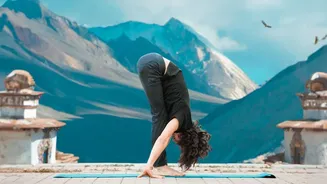




Paschimottanasana, or the Seated Forward Bend, is a cornerstone of yoga that promises a deep stretch for the entire back of the body. Yet, the simple instruction to 'flex your feet' holds the key to unlocking the pose's full potential safely.
The Power of the Pose
Paschimottanasana
is more than just a hamstring stretch; it's a full-body experience that lengthens the spine, calves, and back muscles. Known for its calming and grounding effects, this forward fold encourages the nervous system to relax and the mind to turn inward. It stimulates abdominal organs, which can aid digestion, and helps relieve tension accumulated from long periods of sitting. The name itself, from the Sanskrit 'Paschima' (west or back of the body) and 'Uttana' (intense stretch), hints at its purpose: to provide a profound stretch along the entire back plane of the body.
The Science of Flexed Feet
The instruction to flex your feet—pulling your toes back towards your shins in an action called dorsiflexion—is not arbitrary. This single movement transforms the pose from a passive droop into an active, intelligent stretch. Flexing the feet engages the muscles on the front of the shin and thigh (quadriceps). This engagement sends a signal to the opposing muscles, the hamstrings, to relax and lengthen, a neurological reflex known as reciprocal inhibition. This makes the stretch more effective and safer, as it prevents you from simply hanging on your joints. It also protects the delicate attachments of the hamstrings near the sitting bones and knees.
A Step-by-Step Guide to a Sensible Fold
To practice Paschimottanasana with awareness, follow these alignment principles. Start by sitting on the floor with your legs extended straight in front of you. If your lower back rounds immediately, sit on the edge of a folded blanket to help tilt your pelvis forward. Inhale and lengthen your spine, sitting tall on your sitting bones. Now, actively flex your feet, pressing your heels away from you. As you exhale, begin to hinge forward from your hips, not your waist. Imagine your chest moving toward your feet rather than your head moving toward your knees. Walk your hands forward along your legs, stopping wherever they comfortably reach without forcing. On each inhale, find a little more length in your spine; on each exhale, see if you can soften deeper into the fold. Don't use your arms to pull yourself down; let gravity and your breath do the work.
Common Mistakes to Avoid
The most common error in this pose is rounding the lower back in an aggressive attempt to bring the head to the knees. This shifts the stretch away from the hamstrings and puts unhealthy pressure on the spinal discs. Another pitfall is pulling forcefully with the arms, which creates tension in the shoulders and neck. Finally, avoid locking your knees, especially if you are hypermobile. A tiny, micro-bend in the knees ensures you are stretching the muscle belly of the hamstrings rather than straining the tendons and ligaments behind the knee. Remember, the goal is a sensation of lengthening, not of pain.
Modifications for Every Body
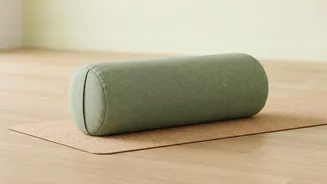
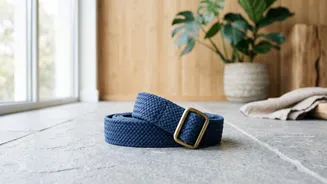
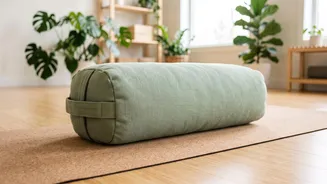
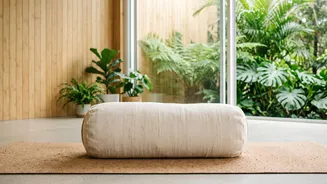
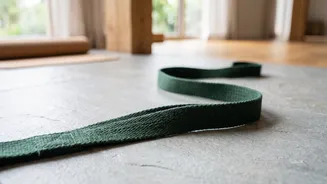
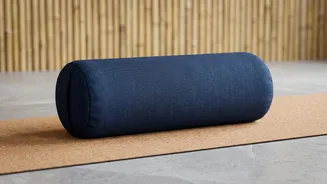
Flexibility varies from person to person and day to day. If your hamstrings feel tight, the best modification is to bend your knees generously. You can even place a rolled up blanket or bolster under your knees for support. This takes the pressure off your lower back and allows you to maintain a long spine as you fold. Another excellent tool is a yoga strap. Loop the strap around the balls of your feet and hold it with both hands. Use the strap to help you hinge forward with a straight back, providing a connection to your feet without rounding your spine to reach them.