




The Perils of Delicate Footwear
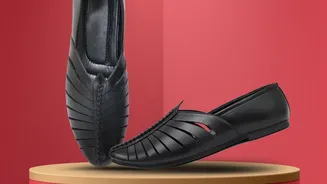
For years, the battle between monsoon functionality and high fashion has been a losing one for our most cherished shoes. Delicate leather loafers, elegant suede heels, and canvas sneakers, while stylish, are no match for flooded streets and relentless
humidity. Water damages leather, causing it to warp and crack, while suede stains irreversibly. Even a short walk through a downpour can lead to soggy, uncomfortable feet, potential fungal infections, and the sad demise of an expensive pair of shoes. The inconvenience of spending hours trying to dry out footwear, only for it to smell damp, has long been a seasonal frustration. This recurring cycle of ruin has finally pushed a major shift in consumer mindset, prioritising longevity and practicality.
The 2026 Shift: Comfort and Function First
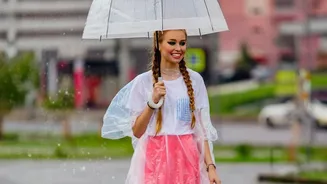
This year, the trend isn't just about surviving the rain; it's about embracing it with intelligence and style. The 2026 footwear market in India reflects a larger consumer demand for products that are versatile and durable. Shoppers are increasingly looking for 'multi-occasion' footwear that works for the commute, the office, and a casual evening out. This practical mindset means that instead of sacrificing shoes to the weather, consumers are investing in smarter options. The focus is now on materials that are inherently waterproof or quick-drying and designs that offer better grip and comfort without looking purely utilitarian. Brands are responding with collections that merge functional design with contemporary aesthetics, proving that practical can also be fashionable.
Decoding the 'Walkable' Shoe
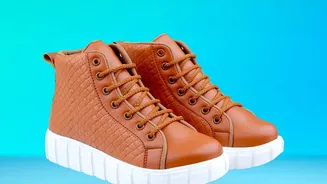
So, what defines a truly “walkable” monsoon shoe? It comes down to three key elements: material, sole, and construction. The most popular materials for 2026 are rubber, EVA (ethylene-vinyl acetate), PVC, and other modern synthetics that are fully waterproof and easy to clean. Secondly, the sole is critical. A good monsoon shoe features a thick, anti-slip rubber sole with deep grooves for traction on slick, muddy surfaces. Elevation, like a platform or a 'flatform' sole, is also a popular feature as it literally lifts your foot above puddles. Finally, construction matters. Look for designs that are either fully enclosed, like a boot, or open and breathable, like fisherman sandals, to prevent water from getting trapped and causing discomfort.
Stylish Monsoon-Ready Options
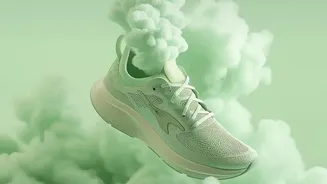
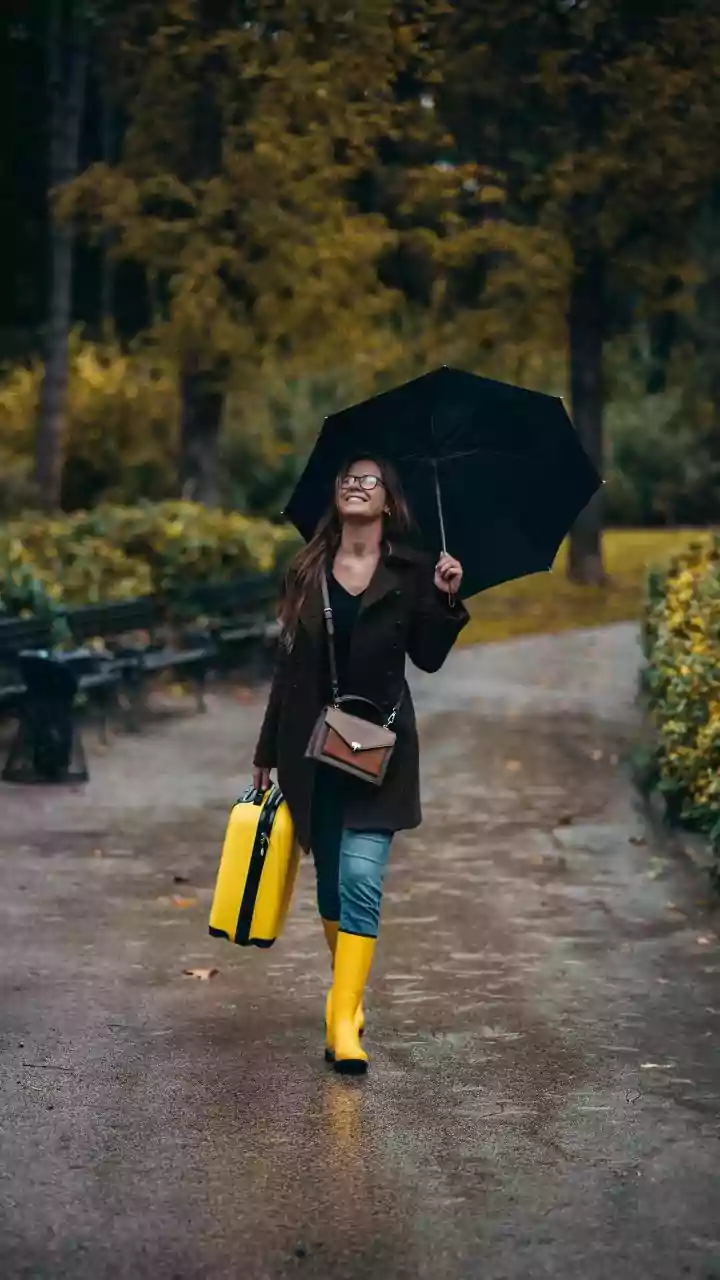
The good news is that sacrificing style is no longer necessary. The market is full of chic, walkable options. Jelly shoes, once a nostalgic trend, are back in sophisticated silhouettes like ballet flats and minimalist sandals. Clogs and Crocs have also received a fashion-forward update, now seen as trendy essentials rather than just practical basics. For a more covered approach, ankle-length rubber Chelsea boots offer the protection of traditional wellingtons but in a sleeker, more modern shape that pairs well with dresses and cropped trousers. Waterproof sneakers, often built with technical fabrics like Gore-Tex, are another excellent choice, providing the comfort of a sneaker with the resilience needed for a downpour.
Caring for Your Monsoon Footwear
Even the most durable monsoon shoes need a little care to last. Always wipe down rubber or PVC shoes after wear to remove mud and grime. If they get wet on the inside, stuff them with newspaper to absorb moisture and help them dry faster, but avoid direct heat, which can damage the material. For waterproof sneakers or boots, it's important to clean them regularly to maintain the effectiveness of their water-repellent coating. Ensuring your shoes are completely dry before storing them away will prevent the growth of odour-causing bacteria and keep them fresh for the next rainy day.