


The Bengali Duo: Mustard & Panch Phoran
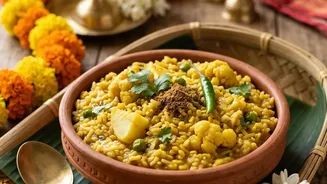
The soul of many Bengali dishes lies in the combination of sharp, pungent mustard oil and the aromatic five-spice blend known as panch phoran. This mix typically includes fenugreek, nigella, cumin, black mustard, and fennel seeds. When tempered in hot
mustard oil, these whole spices pop and sizzle, releasing a complex, slightly bitter, and deeply savoury aroma that's unmistakably Bengali. For a one-pot meal, heat a generous splash of mustard oil, add a teaspoon of panch phoran, and let it crackle. From there, you can add anything from potatoes and cauliflower to lentils (dal) and rice for a quick khichuri. The spice blend perfumes the entire dish, giving it a signature flavour that needs little else.
The Punjabi Power Trio: Ginger, Garlic & Garam Masala
The heart of countless Punjabi curries is a rich, robust base made from sautéed onions, tomatoes, and a fragrant paste of ginger and garlic. This forms the foundation upon which layers of flavour are built. The finishing touch is often a generous sprinkle of garam masala, a warming blend of spices like cinnamon, cloves, and cardamom. This combination creates a taste that is both deep and comforting. To adapt this for a one-pot dinner, start by frying finely chopped onions until golden. Add ginger-garlic paste and cook for another minute before adding chopped tomatoes and powdered spices like turmeric and coriander. Stir in your main ingredient—chickpeas, kidney beans, or chicken—add water or stock, and let it all simmer together. A final dash of garam masala at the end will brighten the flavours.
The Goan Classic: Tangy Vinegar & Fiery Chillies
Goan cuisine, with its Portuguese influence, is famous for its bold, tangy, and spicy flavours. A classic Goan masala paste, often used for dishes like vindaloo or recheado, balances the fiery heat of dried red chillies with the sharp tang of vinegar. Garlic, cumin, cloves, and cinnamon are often ground with these key ingredients to create a potent, aromatic paste. For a simplified one-pot version, marinate your protein (pork, chicken, or even firm tofu) in a blend of red chilli powder, garlic paste, and a few tablespoons of vinegar. Sauté onions in a pot, add the marinated ingredient, and cook with potatoes and a little water until everything is tender. The result is a wonderfully pungent and spicy curry that brings the taste of the Goan coast to your kitchen.
The South Indian Staple: Tamarind, Curry Leaves & Mustard Seeds
Across Tamil Nadu and other parts of South India, many gravies, known as kuzhambu, get their characteristic sour and aromatic flavour from a trinity of ingredients. The process often starts by tempering mustard seeds and curry leaves in oil until they pop and release their fragrance. A souring agent, typically tangy tamarind extract, forms the body of the gravy, balanced by the earthiness of sambar powder—a quintessential South Indian spice blend. Create an easy one-pot sambar rice by first tempering mustard seeds, curry leaves, and a pinch of asafoetida. Sauté hardy vegetables like carrots and drumsticks, then add cooked lentils (toor dal) and rice. Pour in tamarind water, add sambar powder, and pressure cook or simmer until everything is soft and beautifully blended into a flavourful, soupy meal.
The Rajasthani Signature: Yoghurt & Dried Red Chillies
Rajasthani cuisine is known for its rich, spicy dishes that were developed to suit an arid climate. One of its most famous flavour profiles, found in dishes like Laal Maas, involves creating a fiery gravy from a paste of dried red chillies, which provides both intense heat and a stunning red colour. This heat is balanced by the creamy tang of yoghurt (dahi), which forms the base of the gravy instead of tomatoes, which were historically scarce. For a one-pot meal inspired by these flavours, create a paste from soaked dried red chillies and garlic. Sauté onions in ghee, then add the chilli paste and cook it out. Whisk in yoghurt slowly to prevent curdling, then add your meat or vegetables and simmer until cooked through. This combination yields a smoky, spicy, and tangy dish that is truly unforgettable.