








The Screenshot Trap: Why Old Information Is Risky
It’s a common habit: a friend messages you a screenshot of their visa documents or a list of requirements from their recent Thailand holiday. While well-intentioned, this is one of the riskiest ways to prepare for your trip. Thai immigration policies
have been updated frequently. For instance, the popular 60-day visa-free entry for Indians was scrapped in May 2026. Arriving with expectations based on this outdated rule can lead to confusion and delays. Relying on old information might mean you’re missing a key document, don’t have the correct visa type, or are unaware of new cash requirements, potentially jeopardizing your entry. Every traveller’s situation is unique, and what worked for someone else might not apply to you.
2026 Entry Rules: What Indian Travellers Actually Need
As of July 2026, the visa-free scheme for Indian passport holders has ended. Indians now primarily enter Thailand using a Visa on Arrival (VoA), which is valid for a 15-day stay. To get this at the airport, you’ll need a passport with at least six months of validity, a completed arrival card, a confirmed return ticket, proof of accommodation, and a passport-sized photograph. A significant change is the proof of funds requirement; officials may ask those on a VoA to show at least 20,000 Thai Baht (approximately ₹57,000) in cash. For stays longer than 15 days, you must apply for a 60-day tourist e-Visa online before you travel. This requires more documentation but removes the uncertainty of airport queues.
The Digital Arrival Card (TDAC) is Mandatory
One of the most crucial and often overlooked steps is completing the Thailand Digital Arrival Card (TDAC). This online form has replaced the old paper-based TM6 card and is mandatory for all foreign nationals. You must fill this out online within 72 hours before your arrival in Thailand. Once submitted, you'll receive a QR code. Keep this code saved on your phone and have a printout as a backup. Immigration officials will require it at the checkpoint. Waiting to fill it out at the airport can lead to unnecessary stress and delays while trying to connect to public Wi-Fi. You can find the official TDAC portal on the Thai Immigration Bureau's website.
Your Pre-Travel Document Checklist
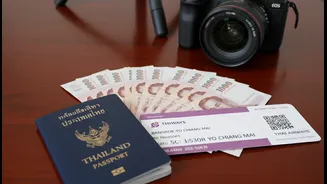
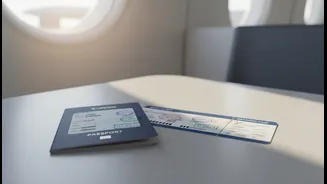
To avoid any last-minute panic, treat your document preparation like a final exam. Create a dedicated folder—both physical and digital—with everything you need. Here’s a simple checklist: 1. Passport: Must be valid for at least six months from your date of entry. 2. Return Flight Ticket: A confirmed ticket showing your departure within your permitted stay. 3. Accommodation Proof: Confirmed hotel bookings for your entire trip. 4. Sufficient Funds: At least 20,000 THB in cash if using Visa on Arrival. 5. Visa on Arrival Fee: 2,000 THB in cash for the VoA fee. 6. TDAC QR Code: Completed and saved on your phone. 7. Itinerary: A clear plan of your travel within Thailand can be helpful if asked. Store digital copies in a secure cloud service like Google Drive or Dropbox and carry printed copies as a fail-safe.
Finding Reliable and Up-to-Date Information
Instead of relying on social media posts or outdated articles, go directly to the source. The most reliable information will always come from official channels. The Royal Thai Embassy or Consulate in India is the primary source for visa regulations. Their websites are regularly updated with the latest requirements for Indian citizens. The Tourism Authority of Thailand (TAT) also provides credible news and advisories for tourists. Additionally, the official X (formerly Twitter) account of the Embassy of India in Bangkok often posts advisories for Indian nationals traveling to Thailand. Checking these sources a week before your trip and again a day before you fly is the best way to ensure you are fully prepared.