


Why a Custom Schedule Matters
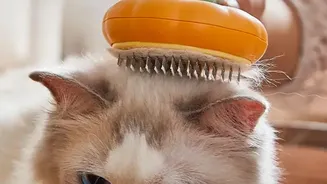
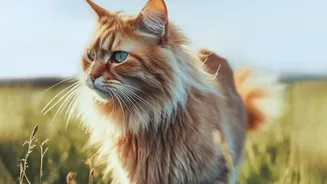
Every pet is unique, and so are their grooming requirements. Factors like breed, coat type, age, and lifestyle all play a significant role in determining how often they need to be brushed, bathed, or have their nails trimmed. A long-haired Persian cat
will have vastly different needs from a short-haired Beagle. Long-haired breeds, for example, often require daily brushing to prevent painful mats and tangles, while many short-haired pets might only need a weekly brush-down. Similarly, an active dog who loves playing outdoors in the mud will need more frequent baths than a cat who spends its days indoors. A personalized schedule not only keeps your pet's coat and skin healthy but also makes the process more comfortable for them.
The Building Blocks of Grooming
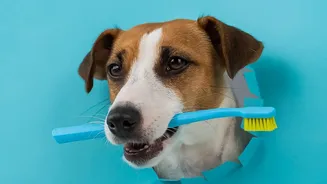
A comprehensive grooming routine involves several key tasks. Brushing is fundamental for distributing natural skin oils, removing loose fur, and preventing mats. The frequency can range from daily for long-haired pets to weekly for those with short coats. Bathing frequency is one of the most variable tasks. While some active dogs might need a bath every few weeks, most healthy dogs with short coats might only need one every two to three months. Over-bathing can strip natural oils and dry out the skin. Nail trimming is also crucial; overgrown nails can cause pain and affect your pet's posture and mobility. A trim every two to four weeks is a good general guideline. Lastly, don't forget dental care. Regular brushing at home and annual professional cleanings can prevent dental disease, which affects a vast majority of pets by age three.
Considering Age and Health
A pet's grooming needs change as they age. Senior pets often have more sensitive or fragile skin, requiring softer brushes and gentler handling. They might also have mobility issues like arthritis, making long grooming sessions uncomfortable. It's often better to have shorter, more frequent sessions for older animals. Older cats, in particular, may struggle to groom themselves effectively due to decreased flexibility, leading to matted fur if not assisted. Pets with certain health conditions, like skin allergies, may require more frequent bathing with medicated shampoos as prescribed by a veterinarian. Always adapt your routine to your pet's current health status.
Decoding Your Pet's Discomfort
Grooming should be a comfortable, and ideally, a bonding experience. It's important to recognize the signs of grooming-related stress or anxiety. These can include excessive panting, trembling, whining, hiding, or trying to escape. Some pets may become unusually still or freeze, while others might show signs of aggression. If you notice these behaviours, it's a clear signal that your pet is uncomfortable. The experience might be too long, the tools might be causing discomfort, or they may have a negative association with grooming from past experiences. It’s important to create a calm environment and use positive reinforcement, like treats and praise, to build a better association.
Creating a Positive Grooming Habit
To make grooming a positive routine, start by introducing it early in your pet's life. Keep sessions short and positive, especially at the beginning. Use the right tools for your pet's coat type—a soft-bristle brush for sensitive skin or a de-shedding tool for a thick undercoat. Groom in a calm, quiet area where your pet feels safe. For tasks they dislike, such as nail trimming, desensitizing them slowly can help. Handle their paws frequently without trimming at first, rewarding them for calm behaviour. By associating grooming with positive things like treats and affection, you can transform it from a stressful chore into a pleasant activity for you both.