




The Evolution from Recording to Understanding
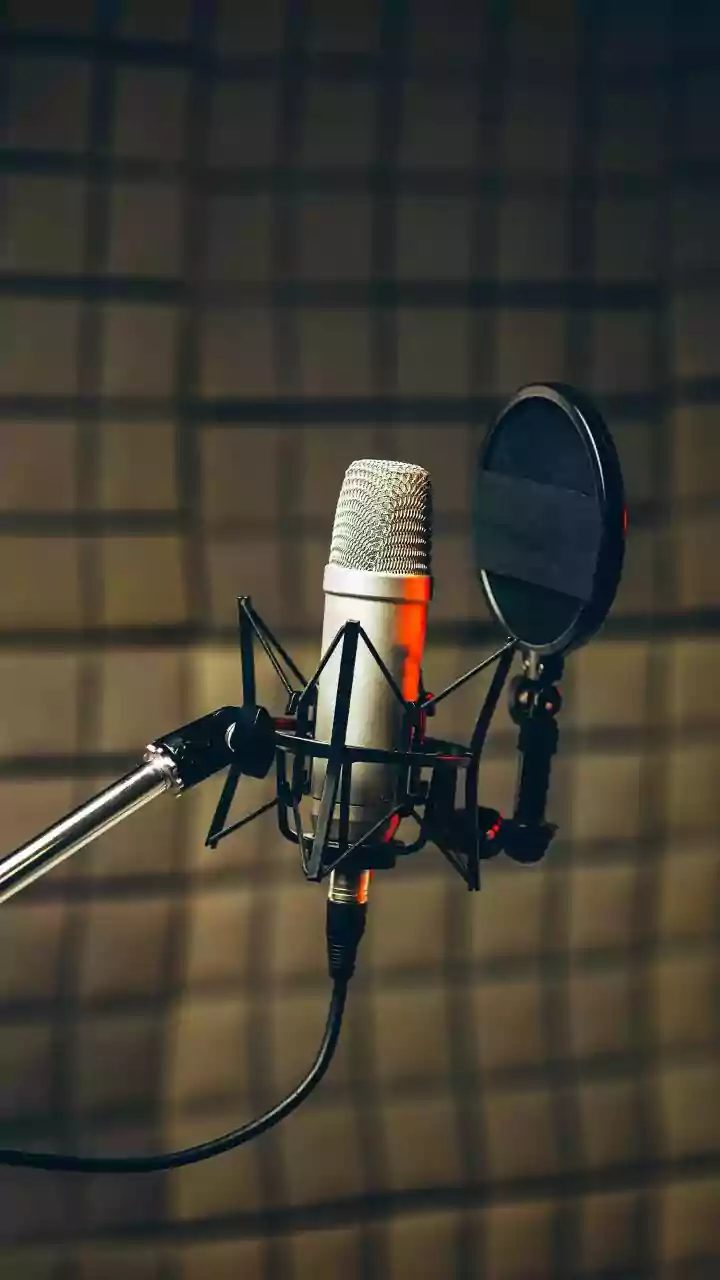
For decades, students have used devices to record lectures, hoping to catch details missed in their handwritten notes. But this created a new problem: hours of audio to sift through. Today’s smart recorders are fundamentally different. Instead of just
capturing sound, they use artificial intelligence to process and understand the content. These devices, or the apps they connect to, provide a full text transcription of the lecture, often in real-time. This alone is a huge leap, creating a searchable text document from a spoken lecture. But the real transformation happens in the next step, where the AI begins to analyze the content it has transcribed.
How AI Turns a Lecture into Flashcards
The magic lies in the AI's ability to identify key information within the transcribed text. Using natural language processing, the software scans the document for important terms, definitions, and concepts. It's trained to recognize patterns that signify importance, such as a professor saying, "The main cause of this is..." or defining a key term. Once the AI identifies these core concepts, it automatically formats them into question-and-answer pairs. The result is a deck of digital flashcards, generated in minutes from an hour-long lecture, a task that would have previously taken a student a significant amount of time to complete manually.
Tapping into Proven Learning Science
This technological shortcut doesn't just save time; it aligns perfectly with one of the most effective study methods: active recall. Cognitive science has shown that forcing your brain to retrieve information, rather than passively re-reading it, dramatically strengthens memory and improves long-term retention. Flashcards are the classic tool for active recall. The main barrier for many students has always been the tedious process of creating them. By automating the creation of flashcards, AI tools allow students to bypass the most time-consuming part and spend more of their valuable study time engaged in this highly effective learning strategy. Many of these apps also incorporate spaced repetition, a method where cards are reviewed at increasing intervals to further enhance long-term memory.
More Than Just Exam Prep
The benefits of this technology extend beyond creating study aids. For students with hearing impairments or certain learning disabilities, real-time transcription and summarization can be a transformative accessibility tool. It ensures they have full access to lecture content. For international students, having an accurate transcript can help bridge language gaps, allowing them to review complex topics at their own pace. This technology promotes a more inclusive learning environment where every student has the resources to engage deeply with the material, regardless of their note-taking speed or learning style.
The Potential Downsides to Consider
While the benefits are clear, there are potential pitfalls. An over-reliance on AI note-taking could lead some students to become more passive during lectures, confident that the technology is capturing everything for them. This might reduce in-the-moment critical thinking and engagement. There are also concerns about transcription accuracy, especially with technical jargon or in rooms with poor acoustics, which could lead to flawed notes. Furthermore, the use of third-party apps to record and process class lectures raises valid questions about data privacy and the security of sensitive academic information.