





The Policy Foundation is Set
India's ambition for self-reliance, or 'Atmanirbhar Bharat', is deeply tied to securing minerals like lithium, cobalt, nickel, and rare earth elements, which are vital for everything from electric vehicles (EVs) to defence technology. Currently, the nation
is almost entirely import-dependent for many of these resources, creating significant economic and geopolitical risks. To address this, the government established a robust policy framework, spearheaded by the National Critical Mineral Mission (NCMM), which was approved in early 2025. This mission laid the groundwork for not just exploring domestic mines but also creating a circular economy by recovering minerals from waste streams. The policies were designed to move India from being just a buyer to a key player in the entire mineral value chain.
From Plans to Plants: The Industrial Push
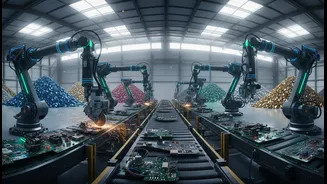
The defining development in 2026 is the tangible shift from policy to industrial execution, driven by significant government incentives. In late 2025, the government launched a ₹1,500-crore incentive scheme specifically to promote critical mineral recycling. This scheme is designed to support the construction of new recycling facilities and the expansion of existing ones, targeting e-waste, end-of-life batteries, and industrial scrap. The response has been overwhelming. Against an initial target to build 270 kilotonnes (KT) of recycling capacity, the government has received industry commitments for 850 KT, more than three times the goal. In April 2026, 58 companies were approved as eligible participants, pledging investments of around ₹5,000 crore to build this capacity. This signals strong private sector confidence and marks the beginning of a nationwide industrial build-out.
Urban Mining Takes Centre Stage
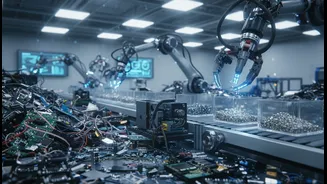
With domestic mining exploration expected to take years to yield results, 'urban mining'—the process of recovering valuable materials from waste—is now seen as the fastest path to resource security. India, as one of the world's largest generators of e-waste, has a massive untapped resource. Experts believe recycling has the potential to meet 20 to 75 percent of India's demand for certain minerals over the next decade. Companies are already stepping up. For instance, Rocklink India recently launched a lithium-ion battery recycling plant, and established players like Lohum are significantly expanding their refining capacities for lithium, cobalt, and nickel. The government's incentive scheme pointedly supports the actual extraction of minerals, not just the collection of waste, pushing companies to develop advanced refining capabilities.
Powering the Green and Digital Economy
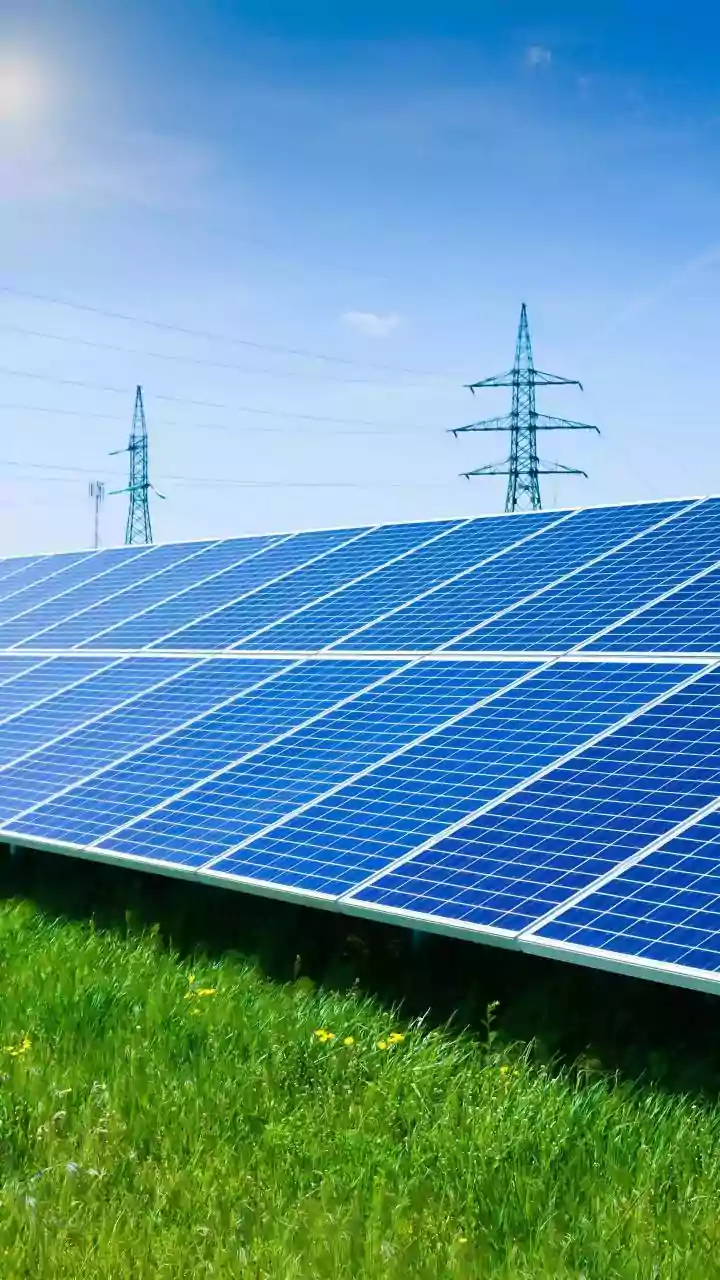
This industrial build-out is directly linked to India's larger national goals. The country aims to achieve 500 GW of non-fossil energy capacity by 2030 and has ambitious targets for EV adoption. Both goals are impossible without a secure supply of critical minerals for batteries, solar panels, and wind turbines. By creating a domestic source of recycled minerals, India can reduce its risk of replacing oil import dependence with battery import dependence. It also strengthens the manufacturing ecosystem for advanced technologies, creating high-value green jobs and ensuring that the components for India's clean energy transition can be made in India.
The Challenges Ahead
Despite the strong momentum, significant hurdles remain. A primary challenge is building an efficient ecosystem for waste collection and segregation. Currently, much of India's e-waste is handled by the informal sector, where recovery rates are low and methods are often hazardous. Integrating this informal sector and establishing world-class collection systems is crucial for feeding the new industrial plants. Furthermore, India still needs to scale up advanced, environmentally sound refining technologies to compete globally. Attracting the massive capital required for these long-term projects and ensuring a steady supply of feedstock for recyclers will be key to turning these ambitious plans into a sustainable industrial reality.