



A Return to Comfort and Identity
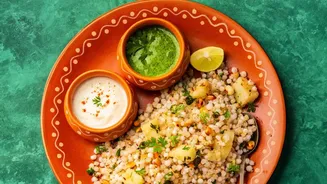
In an increasingly fast-paced and globalised world, there is a growing collective desire to reconnect with the familiar and the authentic. For many Indians, this connection is found on their plates. Traditional breakfasts like the Maharashtrian poha,
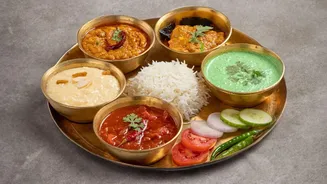
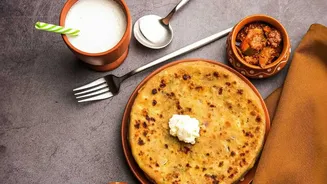
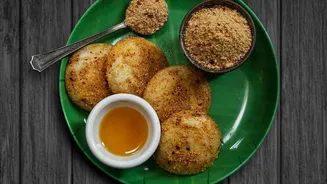
Gujarati dhokla, or Andhra’s pesarattu offer more than just sustenance; they provide a taste of home and nostalgia. This trend is partly fueled by internal migration, as people moving to new cities for work or education seek out the comforting flavors of their childhood. Restaurants and tiffin services are responding to this demand, moving beyond generic menus to offer hyperlocal specialties that resonate with a sense of regional pride and identity. This quest for authenticity represents a turn away from standardised, factory-made convenience foods toward meals that feel personal and rooted in tradition.
The Health-Conscious Awakening
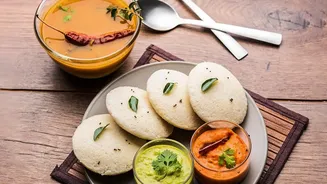
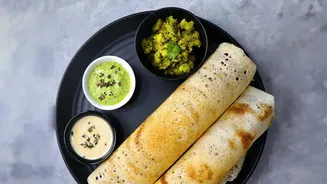
The revival is also strongly driven by a nationwide shift towards wellness. Consumers are increasingly scrutinising what they eat, prioritising nutrition alongside taste. Many traditional Indian breakfasts are naturally healthy, built around whole grains, lentils, fermented batters, and fresh vegetables. Dishes like ragi dosa, moong dal chilla, and steamed idlis are rich in protein, fibre, and essential nutrients, offering sustained energy without the crash associated with sugary, processed options. The use of millets like bajra, jowar, and ragi is a prominent part of this trend, as these ancient grains are being rediscovered for their health benefits. As awareness about the importance of a balanced first meal grows, these time-tested recipes are being recognised as ideal choices for a healthy lifestyle.
Social Media's Visual Feast
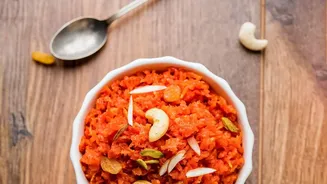
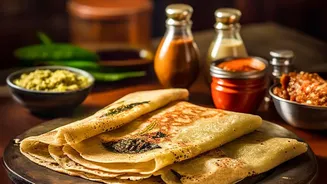
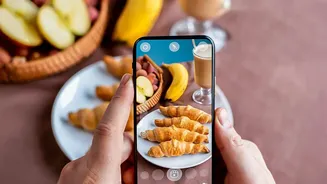
It's impossible to discuss modern food trends without mentioning the immense influence of social media. Platforms like Instagram and YouTube have become powerful tools for culinary discovery, transforming regional dishes into viral sensations. The visual appeal of India’s diverse cuisine—from the vibrant colors of Indori poha topped with sev to the delicate, lacey texture of a Kerala appam—makes it perfect for the screen. Food bloggers and influencers have been instrumental in this, showcasing the rich culinary heritage of different states and encouraging a new generation to rediscover their roots. A beautifully shot reel or a compelling food story can introduce a forgotten recipe to millions, sparking curiosity and a desire to try it. Restaurants, in turn, are designing menus and plating with social media in mind, knowing that an “Instagrammable” dish can draw in crowds.
The New Culinary Landscape
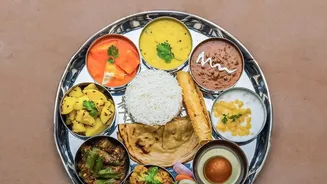
The trend isn't just happening in home kitchens; it's being championed by a new wave of chefs and food entrepreneurs. Many are turning their passion for local food into businesses, from cloud kitchens specialising in a single regional cuisine to cafes that celebrate India's breakfast diversity. These culinary innovators are not only preserving traditional recipes but also reinterpreting them for modern palates. They are meticulously sourcing local ingredients and paying attention to the discipline and technique required to make these seemingly simple dishes consistently well. This has made regional breakfasts more accessible than ever, especially in urban areas where consumers are eager to explore authentic and diverse flavours. The rise of home chefs has also played a crucial role, using social media to share their creations and build businesses around regional delicacies that were once confined to family kitchens.