



The Search for Authentic Flavours
For years, the default iced tea experience in many cafes was a predictable affair: a base of black tea flooded with a pump or two of brightly coloured, artificially flavoured syrup. While offering a quick hit of sweetness, this model is beginning to lose
its appeal. Today's consumers, particularly in urban India, are more health-conscious and discerning than ever before. There's a growing fatigue with one-dimensional sweetness and a rising demand for beverages with clean labels, reduced sugar, and natural ingredients. This shift is part of a broader wellness trend where consumers want their drinks to do more than just quench thirst; they want them to offer functional benefits and reflect a mindful lifestyle. This curiosity has paved the way for a return to traditional ingredients, celebrating India's rich botanical heritage.
Vetiver: The Scent of the Earth in a Glass
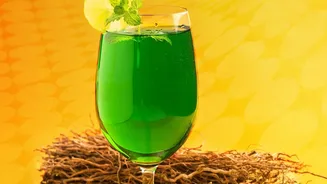
At the forefront of this movement is vetiver, known locally as khus. It’s a perennial grass native to India, but its treasure lies hidden underground in its dense, fragrant roots. For generations, these roots have been a staple of Indian summers, traditionally woven into mats that, when sprinkled with water, cool rooms and release a fresh, earthy aroma. That same cooling principle is the essence of its use in beverages. When infused in water or tea, vetiver imparts a uniquely complex flavour—woody, earthy, and subtly sweet, often compared to the scent of wet earth after the first rain. This is a world away from the saccharine punch of a synthetic peach or lemon syrup. The traditional khus sharbat, a syrup made from vetiver roots, has long been consumed for its cooling properties, but many commercial versions use artificial green colouring and flavourings. The current trend, however, focuses on using the actual roots for a more authentic and natural infusion.
From Traditional Cooler to Trendy Tea
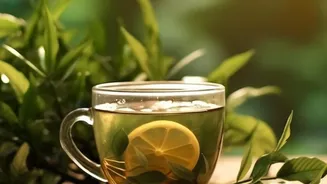
The transition of vetiver from a traditional home remedy to a star ingredient in modern cafes and ready-to-drink (RTD) beverages marks a significant shift. Beverage brands and mixologists are discovering that vetiver offers a sophisticated flavour profile that appeals to an adult palate. It pairs beautifully with both green and black teas, lending a grounding note that balances the tea's natural astringency without overwhelming it. An iced vetiver green tea, for example, is both refreshing and calming. This modern revival is part of a larger reclamation of indigenous beverage wisdom. Brands are finding that authentic, regional ingredients resonate strongly with consumers who are proud to reconnect with their roots. This has led to the inclusion of vetiver and other botanicals in a growing market for functional and plant-based drinks across India.
The Botanical Brigade
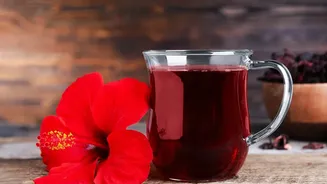
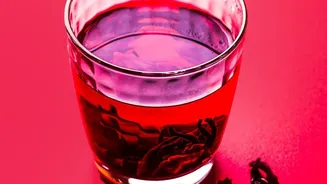
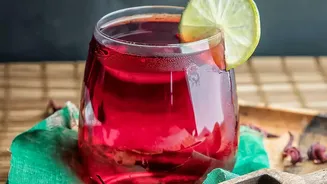
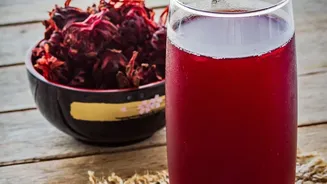
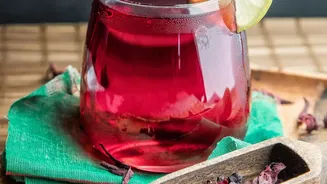
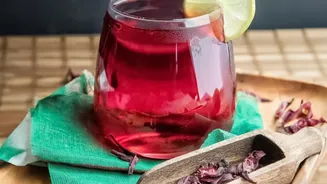
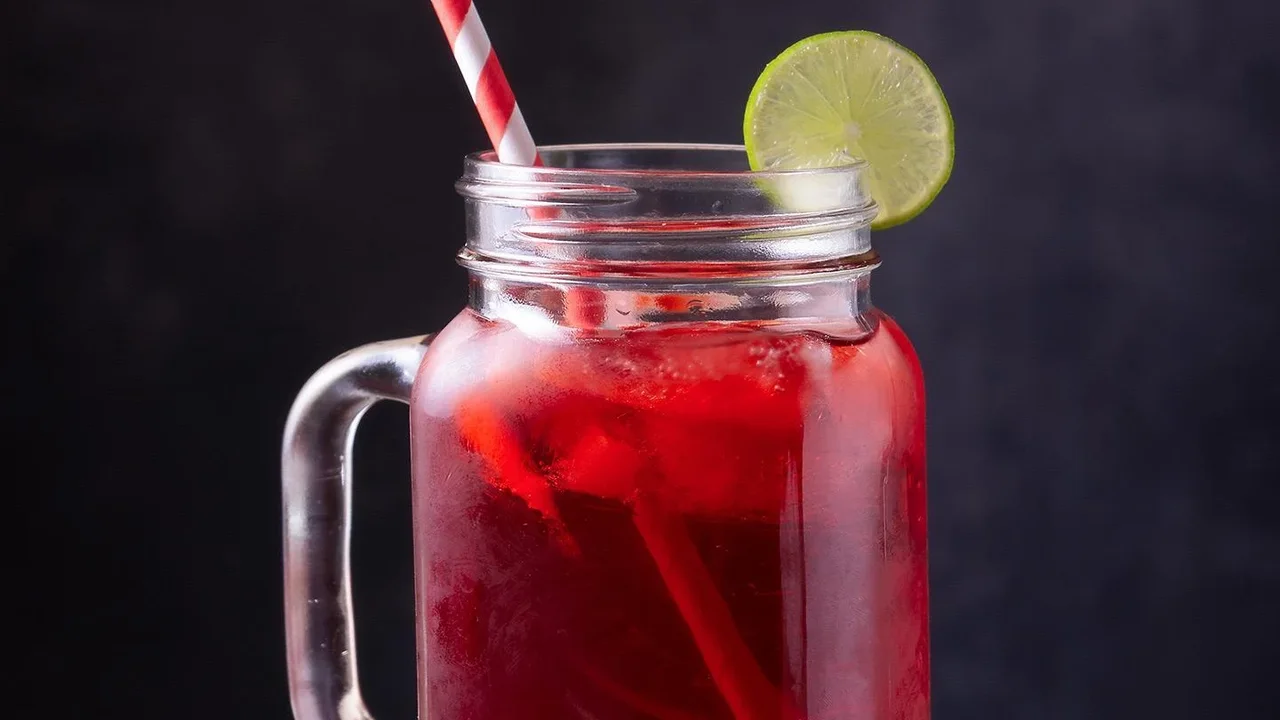
Vetiver is not alone. It’s part of a larger family of Indian botanicals being rediscovered for their unique tastes and wellness properties. Hibiscus flowers, for instance, offer a tart, cranberry-like flavour and a stunning ruby hue, rich in antioxidants. Aparajita, or blue pea flower, provides a vibrant blue colour that magically changes to purple with a squeeze of lime, all while being naturally caffeine-free. Nannari (Indian sarsaparilla) delivers a distinct, spicy-sweetness, while bael (wood apple) brings its own unique, tangy flavour to the table. According to a 2026 Godrej Food Trends Report, botanicals like kokum, amla, and gondhoraj lime are driving the next wave of flavour innovation, replacing imported profiles with authentic regional tastes. These ingredients are moving from traditional Ayurvedic syrups and homemade kadhas into premium sparkling waters, artisanal teas, and even non-alcoholic spirits.
Why Make the Switch?
The case for choosing a botanical infusion over an artificial syrup rests on two pillars: flavour and wellness. Artificial syrups offer a singular, often overpowering sweetness, masking the natural taste of the tea. Botanicals, in contrast, provide layers of complexity and aroma. Beyond taste, there's a clear health advantage. Vetiver is traditionally known in Ayurveda for its cooling properties, which can help reduce body heat, soothe the stomach, and calm the nervous system. It is also rich in antioxidants. Many other botanicals, from hibiscus to amla, come with their own set of reputed benefits. This stands in stark contrast to artificial syrups, which are often loaded with refined sugar or high-fructose corn syrup and chemical additives, contributing to health concerns rather than alleviating them. Choosing a botanical tea is a choice for a more natural, balanced, and genuinely refreshing experience.