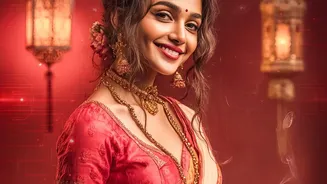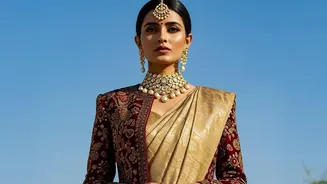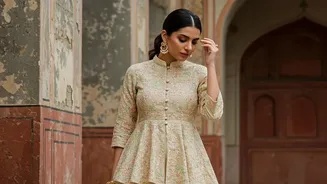


The Indian wardrobe is evolving. For generations, the classic salwar kameez has been a staple, but a quiet revolution is underway. In 2026, the focus is on blending tradition with modern life, and versatile trousers are leading the charge.
The Shift from Structured to Seamless
For decades,
the traditional salwar—with its distinctive pleats and tapered ankle—has been a cornerstone of ethnic fashion. It offered a modest and comfortable alternative that was embraced across the country. However, as lifestyles have become more dynamic, the very structure of the classic salwar can feel limiting. Its voluminous gathers often dictate that it be paired with shorter kurtis, restricting mix-and-match potential. In a world where women are moving between boardrooms, casual cafes, and festive gatherings in a single day, the need for adaptable clothing has never been greater. This has paved the way for a new hero in the ethnic wardrobe: the trouser.
Why Comfort and Versatility Reign Supreme
The primary driver behind this trend is the demand for comfort that doesn't sacrifice style. Trousers, in their many forms, offer a streamlined silhouette and ease of movement that the more 'rigid' salwar or tight churidar can lack. Unlike traditional salwars, which can feel bulky, modern trousers provide a cleaner, more contemporary line that pairs effortlessly with a wider variety of tops—from long, straight kurtas to crop tops and even formal shirts. This versatility is key to the concept of 'rewearable' fashion, where a single pair of well-cut trousers can anchor multiple outfits for different occasions, making them a smarter, more sustainable investment.
Your Guide to the New Ethnic Trousers
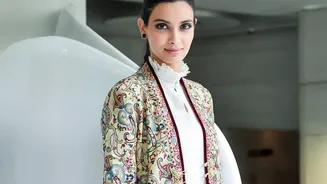
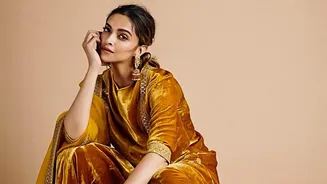
The term 'trousers' now encompasses a diverse family of styles, each offering a different aesthetic. Cigarette pants are a top choice for office and formal wear, offering a sleek, tailored look that pairs perfectly with straight-cut kurtas and even blazers. For a more relaxed and flowing silhouette, palazzo pants have become a massive trend, loved for their airy feel and modern edge, especially with longer kameez. Shararas, once reserved for grand occasions, are now appearing in lighter, more modern versions suitable for festive dinners. Meanwhile, dhoti pants provide an edgy, fashion-forward alternative that blends traditional drapes with contemporary cool. Many of these styles come with practical features like pockets, merging function with fashion.
The Art of Mix-and-Match Styling
The true power of these trousers lies in their ability to be styled up or down. A pair of black silk cigarette pants can be worn with a heavily embroidered kurti for a wedding sangeet, then paired with a simple white shirt for a formal meeting the next day. Cream-coloured palazzos can be matched with a short, printed kurti for a casual day out, or with a long, elegant Anarkali-style top for a festive event. This mix-and-match capability extends beyond ethnic wear; many of these trousers, like straight-cut or cropped styles, can be seamlessly integrated with Western tops, jackets, and blouses, truly maximizing their wardrobe potential. This move away from the traditional threepiece suit towards versatile separates reflects a more global and individualistic approach to style.
More Than a Trend: A Lifestyle Choice
Ultimately, the replacement of salwars with trousers isn't just a fleeting fashion moment; it's a reflection of a broader cultural shift. It mirrors the changing realities of the modern Indian woman who navigates diverse roles and environments. Her clothing needs to be practical for long commutes, polished for professional settings, and elegant for cultural celebrations. The rise of the versatile trouser is about creating a wardrobe that is as multifaceted as her life. It's about honoring heritage not through rigid adherence to form, but by adapting it to fit the present—a comfortable, confident, and stylish evolution of tradition.