




Naggar: History, Art, and Established Comfort
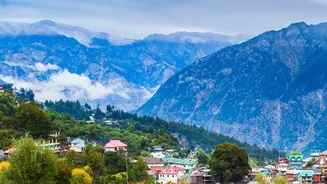
Nestled in the Kullu Valley, Naggar is for those who appreciate a blend of history, culture, and accessibility. Once the capital of the Kullu kingdom, its past is palpable in the magnificent Naggar Castle, a 15th-century stone and wood structure that
now serves as a heritage hotel. This historical vibe is complemented by a rich artistic legacy, most notably the Nicholas Roerich Art Gallery, which houses the Himalayan paintings of the renowned Russian artist. For a remote worker, Naggar offers a more established infrastructure than its offbeat counterparts. Homestays and guesthouses are plentiful, many explicitly catering to long-term stays with amenities like Wi-Fi, work desks, and kitchen access. The town is quieter than nearby Manali but connected enough to not feel isolated, providing a perfect balance for productive days and culturally rich evenings.
Jibhi: Raw Nature and Offbeat Serenity
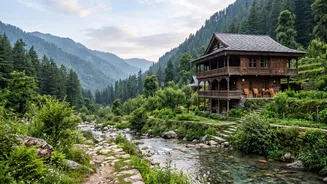
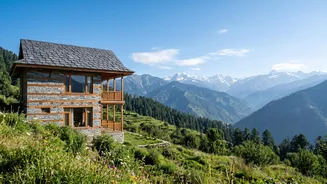
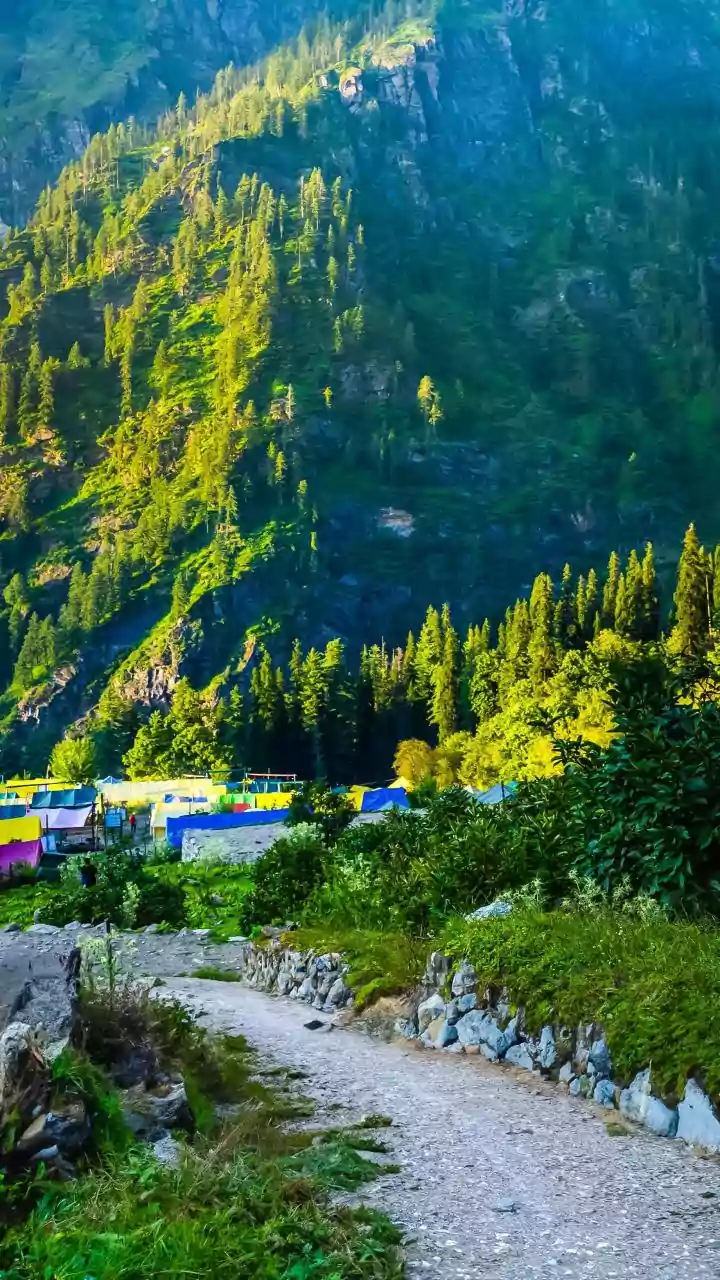
If your ideal workday backdrop is less about history and more about untouched nature, Jibhi is your answer. Tucked away in the Tirthan Valley, Jibhi is the heart of a region celebrated for its pristine forests, clear rivers, and tranquil atmosphere. It’s a destination for those looking to disconnect from urban chaos and find focus in simplicity. The vibe here is rustic and unpretentious, centered around traditional wooden houses, riverside cafes, and the constant, calming sound of the Tirthan River. Life in Jibhi encourages a slower pace, making it ideal for deep work and creative thinking. After logging off, the rewards are immediate: short hikes to hidden waterfalls, exploring nearby villages like Shoja, or simply relaxing by the river.
Connectivity: The Deciding Factor
For any workation, internet is non-negotiable. Both Naggar and Jibhi have made significant strides. Naggar, being more developed, generally offers reliable broadband and mobile connectivity, with both Airtel and Jio providing decent 4G/5G coverage in most parts. Many homestays specifically advertise work-friendly Wi-Fi. Jibhi's connectivity has dramatically improved, with several homestays and cafes now offering dedicated fiber internet with speeds sufficient for video calls and cloud-based work. However, connectivity can still be property-dependent, and the lower parts of the valley generally have a more stable network. Power backup is a standard feature in most workation-focused stays in both locations, ensuring that unpredictable mountain weather doesn't disrupt your workflow.
Work-Life Balance and After-Hours Adventures
A workation isn't just about work. In Naggar, your downtime can be spent exploring ancient temples like the Gauri Shankar and Tripura Sundari temples, trekking to Jana Waterfall, or visiting the nearby Rumsu village. The town also has a charming cafe culture, including the famous German Bakery, perfect for a post-work snack. In Jibhi, the outdoors is your playground. Evenings can be spent at a riverside cafe, taking a walk to the serene Jibhi Waterfall, or driving up to the breathtaking Jalori Pass for panoramic Himalayan views. The area is a gateway to the Great Himalayan National Park, offering endless opportunities for trekking and exploration for those staying longer. Many guesthouses also arrange bonfires and stargazing nights, fostering a sense of community among travelers.
Which One Should You Choose?
Your choice between Naggar and Jibhi ultimately comes down to the kind of experience you seek. Choose Naggar if you want a comfortable, culturally rich environment with easy access to amenities and a touch of history. It's ideal for those who want the peace of the mountains without being too far from the conveniences of a town. It offers a structured and inspiring setting. Choose Jibhi if you crave deep immersion in nature and a quieter, more rustic lifestyle. It's for the remote worker who wants to truly unplug, find focus in solitude, and whose ideal break involves a forest trail rather than a historical monument. It’s about finding productivity through profound peace.