




More Than Just Green Tea
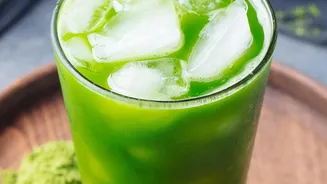
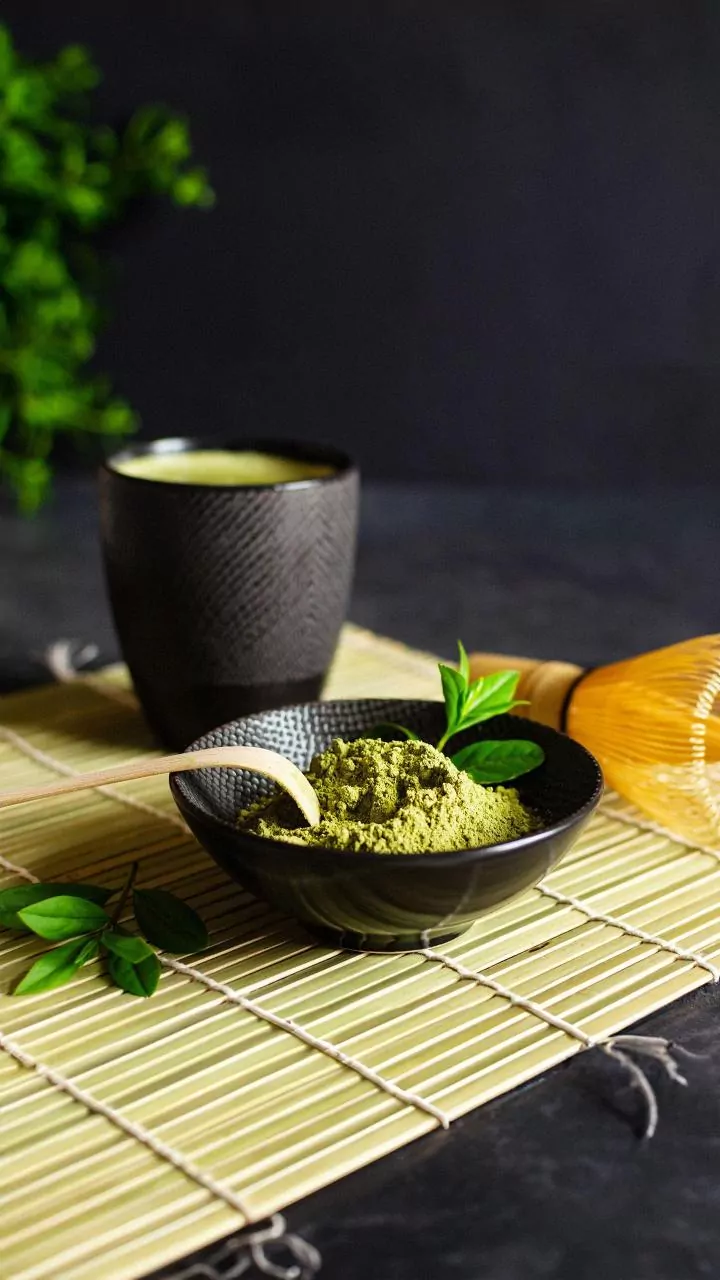
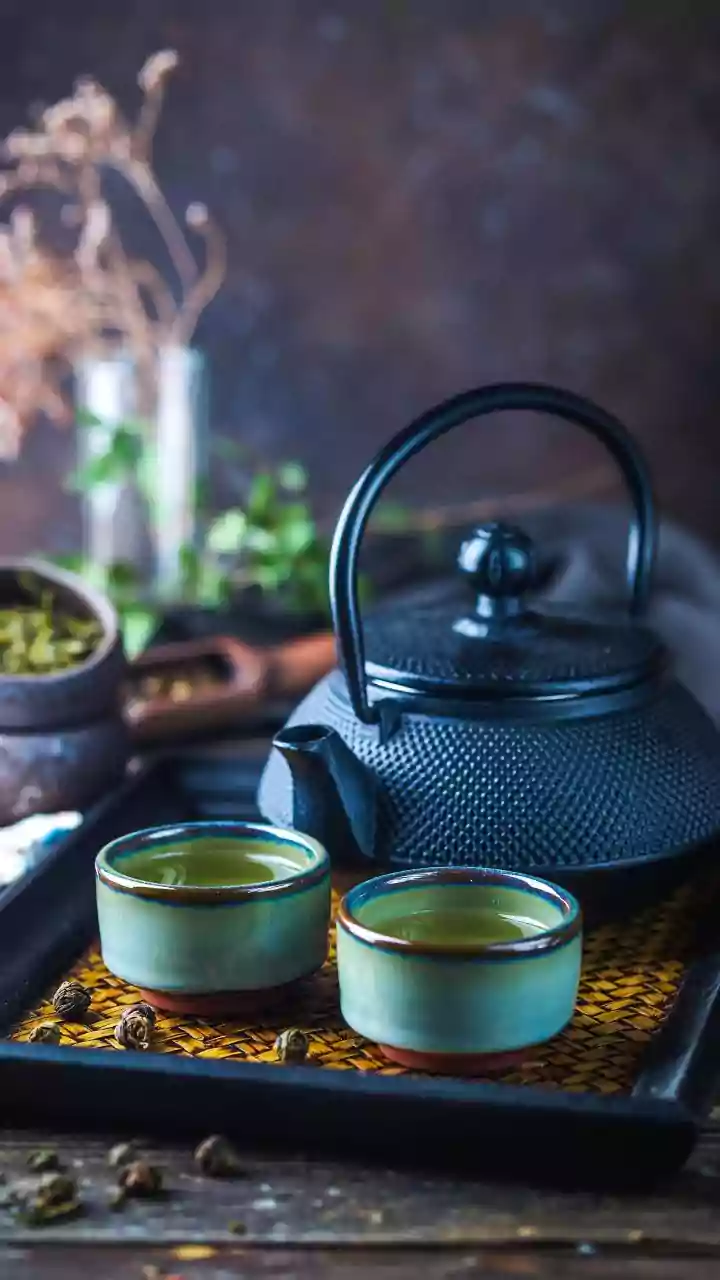
So, what is this vivid green drink taking over social media feeds and cafe menus? Specialty matcha is a fine powder made from specially grown and processed green tea leaves. Unlike regular green tea where leaves are steeped in water, with matcha, you
consume the entire leaf, which is whisked into a frothy beverage. This means you get a more concentrated dose of everything the plant has to offer. Its popularity is largely driven by its perceived health benefits. Matcha is packed with antioxidants and contains an amino acid called L-theanine, which, when paired with caffeine, is said to provide a state of 'calm alertness'—energy without the jitters often associated with coffee. This unique combination is a major draw for health-conscious urbanites looking for a smarter energy boost.
The Rise of the Matcha Café
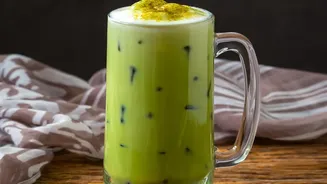
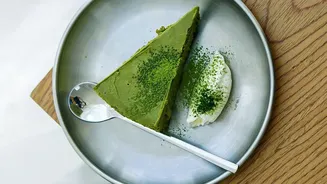
Bengaluru, a city long celebrated for its robust filter coffee and dynamic cafe culture, has become fertile ground for this new trend. A wave of dedicated matcha bars and cafes have opened, creating spaces that feel distinctly different from traditional tea stalls. Places like Sakura Matcha Bar, touted as one of the city's first, and other popular spots like Got Tea, The Kind Roastery & Brew Room, and Mai Matcha Haus are becoming go-to destinations. These cafes often feature minimalist, aesthetically pleasing interiors that are highly 'Instagrammable'—a key factor in the trend's spread. The focus is on the craft of the beverage, with baristas carefully whisking ceremonial-grade matcha, turning its preparation into a small performance. The menu often extends beyond simple lattes to include creative concoctions like Strawberry Matcha, Rose Matcha Lattes, and even matcha-infused desserts.
A New Ritual: Calm, Craft, and Connection
The experience of drinking matcha is fundamentally different from grabbing a quick cutting chai. The traditional chai ritual is often about speed, efficiency, and a moment of robust, sugary comfort. In contrast, the matcha experience is slower and more deliberate. It's a ritual rooted in Japanese tea ceremonies, emphasizing mindfulness and appreciation. This slower pace fosters a different kind of social interaction. Friends meet not for a hurried chat over a steaming glass, but for a calmer, more sustained catch-up in a thoughtfully designed space. The process itself—from whisking to sipping—becomes a shared, therapeutic experience for some. It's less about a quick caffeine hit and more about finding a pocket of intentional calm in a busy city.
Meet the Matcha Generation
Driving this trend are primarily millennials and Gen Z. This demographic is globally connected, health-conscious, and highly influenced by wellness and social media trends. For them, choosing matcha is a deliberate act that signals a certain lifestyle—one that values wellness, aesthetics, and global culture. It's a move away from the default beverages of their parents' generation toward something that feels modern and aspirational. In a city known as India's startup capital, filled with young professionals and creatives, a beverage that promises focus, health benefits, and a photogenic moment is a natural fit.
Chai vs. Matcha: A Friendly Coexistence
Is this green wave a threat to Bengaluru's deep-rooted chai and coffee culture? Not at all. Industry observers and cafe owners see matcha not as a replacement, but as an expansion of the city’s beverage landscape. Chai remains the undisputed king of comfort, affordability, and tradition. Matcha occupies a different niche—it's a premium, modern, and wellness-focused choice. Bengaluru is a city that thrives on variety and choice, a place where traditional filter coffee houses, third-wave coffee roasters, and now, specialty matcha bars can all find their audience. The trend even sees fusion creations, with some cafes offering Indian-inspired takes like a matcha aam panna, blending the new with the familiar.