



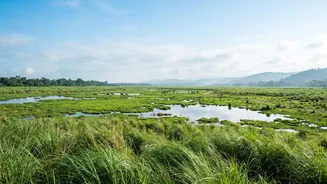

The Safari Experience
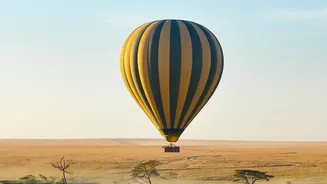
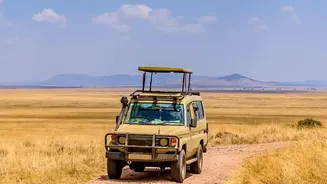
A safari in Kaziranga National Park is a journey into one of India's most vibrant ecosystems. Whether on an early morning elephant-back ride that gives you a high vantage point over the towering grasses, or a jeep safari that covers more ground across
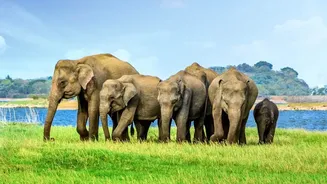
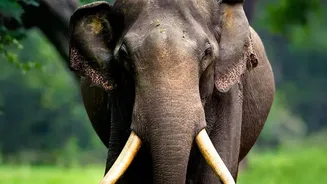
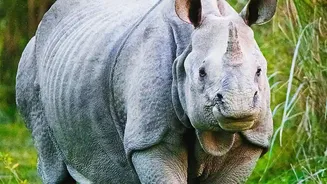
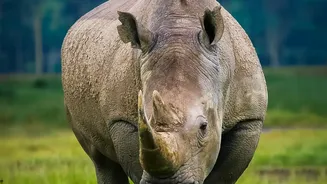
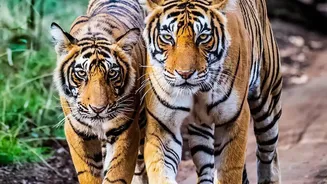
the park's distinct zones—Kohora (Central), Bagori (Western), Agaratoli (Eastern), and Burapahar—the primary goal for many is to see the 'Big Five': the rhino, Royal Bengal Tiger, Asian elephant, wild water buffalo, and the Eastern swamp deer. The popular Central and Western zones are renowned for their high density of rhinos, often seen grazing peacefully or wallowing in the 'beels' (water bodies). The experience is designed to be immersive, with the misty mornings and golden light creating a photographer's paradise. However, the real story of Kaziranga is written not just in its spectacular wildlife sightings, but in the landscape itself.
A Landscape Forged by Flood and Fire
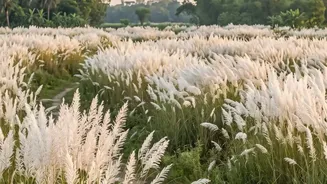
Kaziranga’s grasslands are not a static feature but a landscape in constant flux, shaped by two powerful, opposing forces: water and fire. Each year, the mighty Brahmaputra River floods the park during the monsoon season. Far from being a catastrophe, these annual floods are the lifeblood of Kaziranga. They deposit nutrient-rich alluvial soil essential for the growth of grasses, flush out invasive weeds like water hyacinth, and replenish the hundreds of wetlands that dot the landscape. Then, during the dry season, another crucial process takes place: controlled burning. Park authorities systematically set fire to patches of dry grass. This practice prevents the encroachment of forests, clears out the coarse, inedible older grasses, and allows fresh, nutritious shoots to grow, providing vital fodder for the park's vast herbivore population. This cycle of destruction and renewal is fundamental to the health of the grasslands.
The Living Sea of Grass
The grasslands, which cover nearly two-thirds of the park, are a mosaic of habitats. They range from towering, dense elephant grass that can hide a full-grown rhino to shorter grasses in marshy areas. This variety supports an incredible density of wildlife. While rhinos are the most famous residents, these grasslands are also home to the world's largest population of wild water buffalo. Herds of swamp deer (Barasingha) and hog deer are a common sight, providing a crucial prey base for Kaziranga's dense population of tigers. The park's wetlands and grasslands are also designated as an Important Bird Area, attracting hundreds of species, from the majestic Pallas's Fish-Eagle to huge wintering flocks of Bar-headed Geese. It is this interconnected web of life that makes the grassland ecosystem so special.
Walking the Conservation Tightrope
Maintaining this delicate balance is a constant challenge. While anti-poaching efforts have been remarkably successful in recent years, reducing rhino poaching to near-zero levels, other threats persist. The spread of invasive plant species like Mimosa threatens to choke out native grasses. Increased tourism, while beneficial for revenue, puts pressure on the park's resources and infrastructure. Furthermore, the natural corridors connecting Kaziranga to the adjacent Karbi Anglong hills—which animals use as a refuge during high floods—are under threat from human settlements and infrastructure development. Climate change is also intensifying the floods, leading to increased erosion and unpredictable consequences for wildlife. Park management must navigate these complex issues, balancing the needs of wildlife, the forces of nature, and human activity to ensure Kaziranga's future.