





What Exactly Is 'Swicy'?
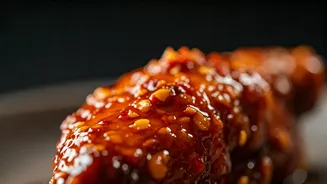
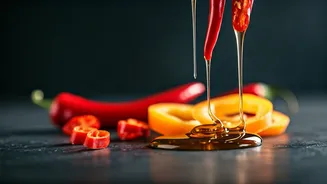
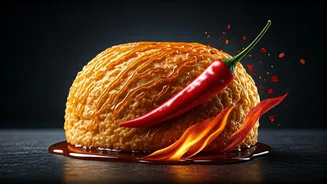
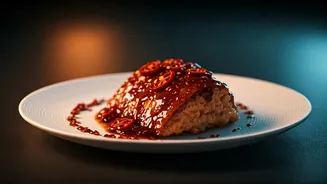
The term 'swicy' is a simple mash-up of sweet and spicy, describing a flavour profile that is taking the global culinary scene by storm. [2, 18] Think of hot honey drizzled on pizza, gochujang-spiked sauces, or mango habanero glazes on chicken wings.
[8, 10, 21] This trend, popularized on social media platforms like TikTok, is all about balancing the initial comfort of sweetness with a lingering kick of heat. [3, 18] It’s seen as adventurous and complex, offering a more dynamic sensory experience than a one-note flavour. [6, 17] While the word itself is new and catchy, many are quick to point out that the concept is ancient, with deep roots in Thai, Mexican, and Korean cuisines, among others. [6, 12] For them, the world is just now catching up and giving a trendy name to a timeless combination. [12, 25]
The Multisensory World of Chaat
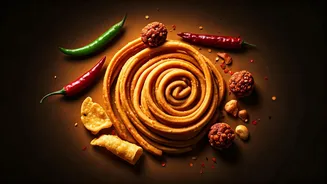
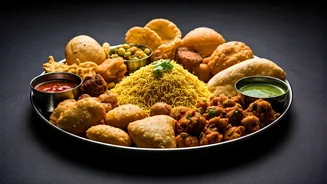
Now, let's talk about chaat. To call chaat a mere 'snack' is an understatement; it is a cultural phenomenon. [13, 16] The word itself is derived from 'chaatna', which means 'to lick', perfectly describing how irresistibly delicious it is. [9, 11, 15] Chaat is not a single dish but a whole category of food defined by a philosophy of flavour. [17, 20] It’s a carefully orchestrated collision of tastes and textures in every single bite. [17] You get sweet from tamarind chutney, spicy from green chilli chutney, tangy from raw mango powder, and salty from black salt. [17] This is all layered with a variety of textures: the crunch of sev or papdi, the softness of boiled potatoes and chickpeas, and the cooling creaminess of dahi (yogurt). [11, 17] It's a full-on flavour party, a sensory rollercoaster that keeps you coming back for more. [14]
Connecting the Dots: Flavour Philosophy
Here’s where the connection becomes crystal clear. The core principle of 'swicy' is using sweetness to make spice more approachable and creating a layered taste. [6, 23] This is precisely what chaat has been perfecting for generations, but on a much more complex level. [7] While swicy primarily focuses on the sweet-heat duo, chaat operates on a matrix of sweet, spicy, tangy, and salty, all at once. [14, 17] The tamarind and date chutneys provide the sweetness, while green chillies bring the heat. [11] But then chaat adds the sour notes from amchoor (dried mango powder) or lime, and the funky, savoury depth of kala namak (black salt). [20] The 'swicy' trend is like a great two-person harmony, but chaat is a full orchestra playing a symphony. [17] It’s not just a trend; it's a deeply ingrained culinary wisdom. [25]
Beyond Taste: It’s About the Experience
The addictive quality of both swicy foods and chaat goes beyond just the flavour combination. It’s about the experience. The term 'chaat' can also be linked to 'chatpata,' which means tangy or zesty—that hard-to-define, mouth-watering quality that makes you want just one more bite. [13] It's the delightful chaos in pani puri, where a crispy shell gives way to a burst of spicy, tangy water. [14] It’s the satisfying interplay of textures in bhel puri—puffed rice, crunchy sev, and soft vegetables. [7] This dynamic experience is exactly what makes the swicy trend so popular globally; it keeps the palate engaged and prevents flavour fatigue. [17] In essence, the world is discovering the joy of foods that offer a narrative—a beginning, a middle, and an end in every bite—a story that every chaat lover knows by heart. [17]