







The End of the Dinner Deadline
The traditional 9 PM dinner, once a cornerstone of Indian family life, is becoming a thing of the past for urban millennials and Gen Z. Across India's bustling cities, sleep timings have shifted, with many young consumers now staying awake until 2 or 3
AM. This isn't just about late-night movie binges; it's a reflection of deeper changes. The rise of globalised work schedules, the burgeoning gig economy, and a desire for a more fluid social life means that the rigid timetables of previous generations no longer apply. This new nocturnal lifestyle has created a powerful demand: the need for good food, well after most restaurants have traditionally shut their doors. Industry executives confirm this isn't a fleeting trend but a significant change in consumer habits, with the demand for late-night meals doubling over the past year even before seasonal spikes.
Work, Play, and the Midnight Craving
What's fuelling this after-hours appetite? A primary driver is the changing nature of work. India's integration into the global economy means more people are working in shifts that cater to international time zones, from IT and BPO professionals to freelancers collaborating with overseas clients. These aren't nine-to-five jobs. Alongside this, the domestic gig economy has exploded, with millions of Indians finding flexible but often irregular hours in delivery and transportation services. Beyond work, social lives are also extending later into the night. As young people migrate to cities for education and careers, they build new communities. Catching up with friends is no longer confined to a post-work dinner; it often starts later and stretches into the early morning hours, creating a new, lucrative market for food and beverage businesses willing to cater to them.
An App for Every Appetite
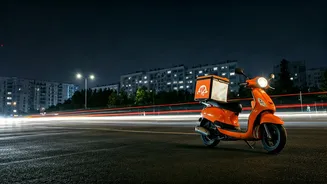
This behavioural shift has been enabled, and accelerated, by technology. Food delivery platforms like Swiggy and Zomato have transformed from simple restaurant aggregators into sophisticated demand-intelligence platforms. By analysing ordering data, they identified the growing appetite for late-night meals and strategically expanded their services. They haven't just met demand; they've helped create it by normalising the act of ordering a full meal or a snack at 1 AM. This has spurred a boom in 'cloud kitchens' or 'dark stores'—delivery-only establishments, many of which are designed specifically to operate during these late hours. Major chains are also adapting; McDonald's and Domino's have extended hours at hundreds of outlets, with some now delivering until 3 AM or even operating 24/7 on highways to capture this growing market.
The Business of Dining After Dark
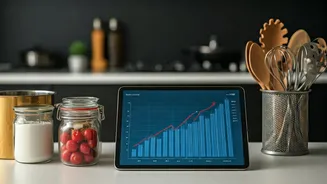
The late-night food economy is rapidly becoming serious business. Recent data shows a 12-15% surge in orders between 11 PM and 3 AM, a figure that builds on a steady 10-12% growth over the past year. While major sporting events like the FIFA World Cup can cause demand to spike by up to 40% on match days, the underlying trend is consistent and growing. This boom is not just confined to metros like Bengaluru, Hyderabad, and Mumbai; emerging cities such as Surat, Patna, and Thiruvananthapuram are also posting significant late-night order volumes. However, this expansion comes with challenges. Restaurants and delivery platforms grapple with logistical hurdles, including rider availability, ensuring staff safety, and navigating local regulations that may restrict operating hours. For many restaurants, staying open longer means increasing revenue by utilising assets more efficiently, but it also puts a strain on a smaller night-shift workforce.
What's on the Late-Night Menu?
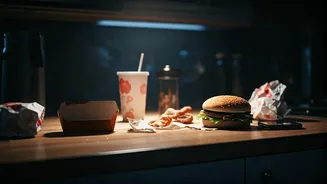
When hunger strikes after midnight, what does Young India order? Comfort food reigns supreme. According to data from Swiggy, pizzas and burgers are consistently among the most popular items ordered between 11 PM and 3 AM. Chicken biryani is another late-night champion, with millions of orders placed after dark. Snacks are also a massive category, with chicken rolls and momos seeing huge demand. It’s not just about hot meals. Quick-commerce platforms report a significant spike in orders for items like ice cream, frozen snacks, and chocolates during late hours, catering to those looking for a sweet treat or a quick snack to accompany their late-night activities.