

A New Travel Philosophy
Modern travel is no longer just about checking landmarks off a list. A growing number of people are seeking out 'experiential travel'—immersive journeys that foster a genuine connection with a place, its culture, and nature. This shift is driven by a desire
for more meaningful and authentic experiences, moving beyond passive sightseeing to active participation. Travellers today crave unique stories and a sense of discovery, which has fuelled interest in niche activities like astro-tourism. It represents a move towards wellness that nurtures the mind, reduces stress, and inspires a sense of awe that a typical resort holiday might not provide.
The Magic of Winter Skies
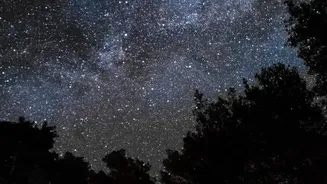
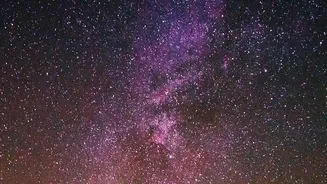
There's a scientific reason why winter is the perfect season for a celestial getaway. The cold, dry winter air holds less moisture and haze, which means the atmosphere is more transparent. This enhanced clarity and stability allow starlight to travel to our eyes with less distortion, making stars and constellations appear sharper and more brilliant. Furthermore, the nights are longer, providing an extended canvas for the cosmic show. This combination of crisp conditions and longer viewing hours makes the winter months the peak season for sky-watching in many parts of India.
India's Celestial Hotspots
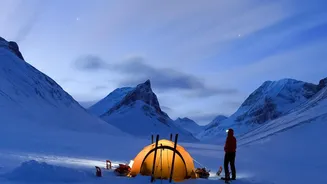
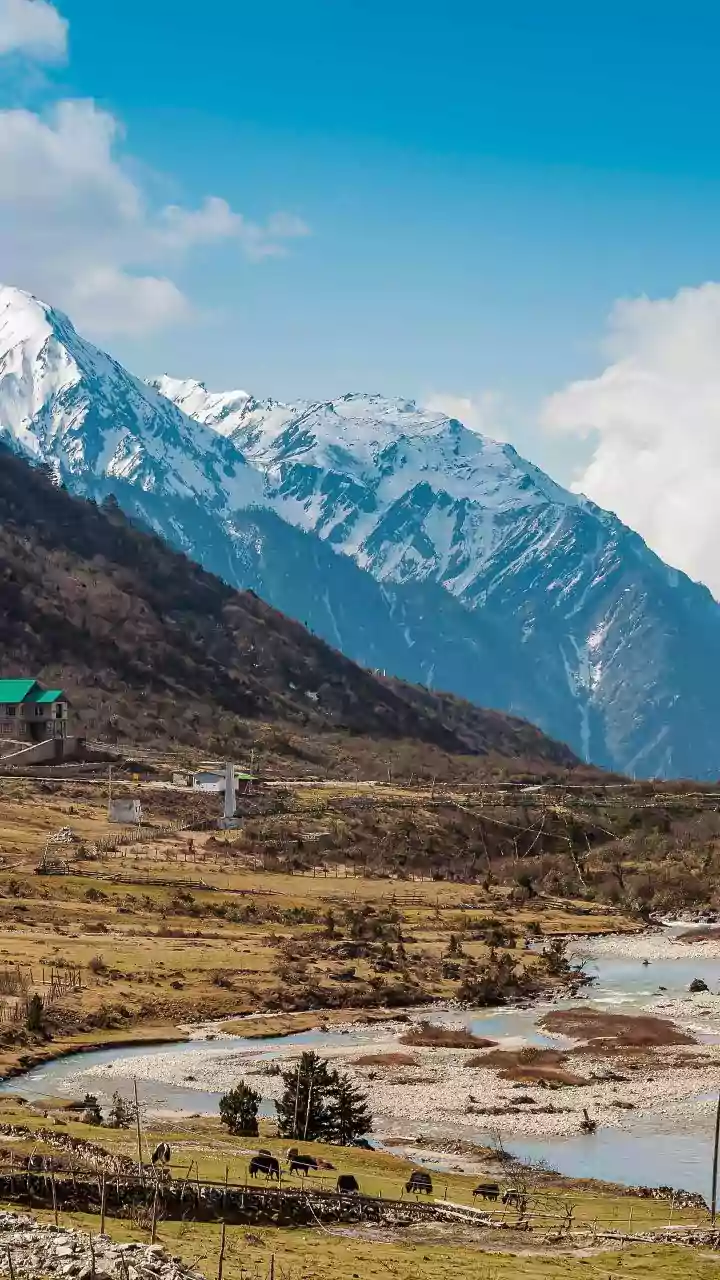
India's diverse geography offers a remarkable array of stargazing destinations. In the north, the cold deserts of Ladakh and Spiti Valley in Himachal Pradesh are renowned for their high altitude and minimal light pollution, offering some of the darkest skies in the country. Hanle in Ladakh is even designated as India's first official Dark Sky Reserve, attracting thousands of visitors. Further south, the expansive white desert of the Rann of Kutch in Gujarat and the less-explored Sambhar Lake in Rajasthan provide vast, unobstructed horizons perfect for winter stargazing. For those in the south, the hill stations of Coorg in Karnataka and Kodaikanal in Tamil Nadu also offer clearer skies away from urban centres.
More Than Just Telescopes
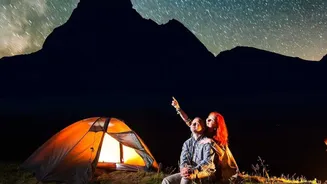
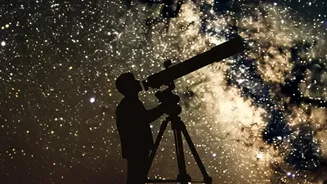
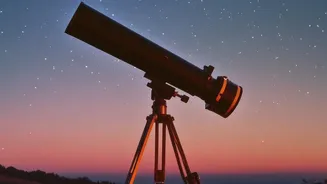
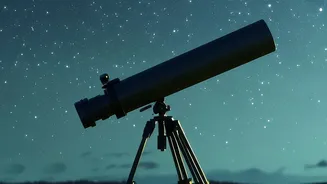
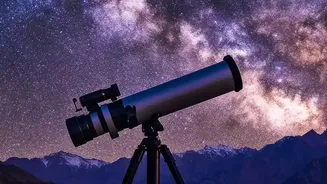
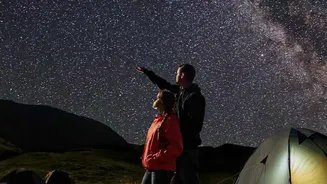
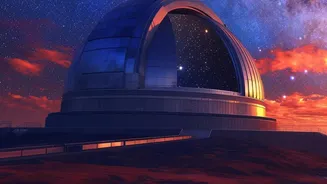
A stargazing retreat is a fully immersive experience. These trips are often curated by experts and include much more than just a look through a telescope. Many retreats offer guided sessions to help you identify constellations and planets, workshops on astrophotography, and talks that blend science with mythology. Accommodations can range from well-appointed resorts with dedicated observatories to rustic camps that bring you closer to nature. The experience is designed to be educational and awe-inspiring, catering to everyone from curious beginners to seasoned amateur astronomers.
The Rise of Astro-Tourism
The growing interest in stargazing is part of a larger trend of 'astro-tourism', which is quickly evolving from a niche hobby into a significant travel segment in India. Companies are now establishing observatories and astronomy-themed resorts to meet the rising demand. This form of tourism not only provides a unique vacation but also promotes scientific curiosity and offers a powerful reminder of our place in the universe. It encourages a digital detox, pulling our attention away from screens and directing it towards the cosmos, fostering a deeper appreciation for the natural world and the importance of preserving our dark skies.