

Venus: The Dazzling Evening Star
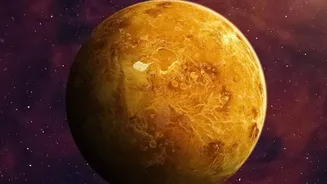
Kicking off the month's highlights is the planet Venus, which will command attention in the western sky after sunset. Throughout September 2026, Venus reaches its peak brilliance, shining brighter than any star. It will be so luminous that it can be spotted
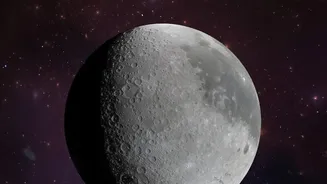
easily, even from light-polluted cities, appearing as a spectacular point of light that lingers after the Sun has gone down. This peak happens around September 18, when the planet achieves its greatest illuminated extent. At this point, it will be incredibly bright, outshining all other planets and stars in the night sky. For those with a keen eye, Venus can sometimes be seen even before the sky is completely dark. Look to the west shortly after sunset; you will not need a telescope to appreciate its stunning presence. On September 14, a slender crescent Moon will appear near Venus, creating a particularly beautiful pairing in the twilight sky.
Autumnal Equinox: A Moment of Balance
On September 23, 2026, the Northern Hemisphere will officially welcome autumn with the autumnal equinox. This astronomical event marks the moment when the Sun crosses the celestial equator, an imaginary line in the sky above the Earth’s equator, from north to south. For a brief period around the equinox, day and night are of nearly equal length all across the world. This event signals a definitive shift in the seasons. After the equinox, the nights will begin to grow longer than the days in the Northern Hemisphere, leading us toward winter. While it is a precise astronomical moment—occurring at 5:39 AM IST—its effects are felt more broadly. The equinox has been a point of cultural significance for centuries, often associated with harvest, balance, and gratitude for nature's bounty. It serves as a natural reminder of the planet's cycles and the steady transition from the long, warm days of summer to the cooler, crisper air of autumn.
Harvest Moon: An Illuminated Night
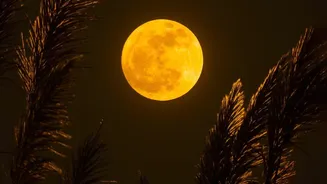
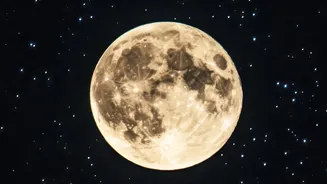
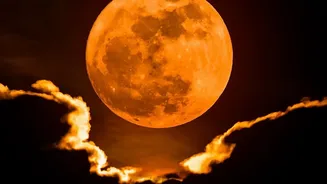
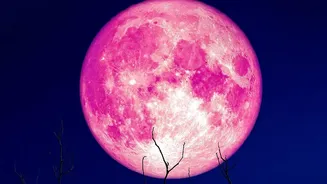
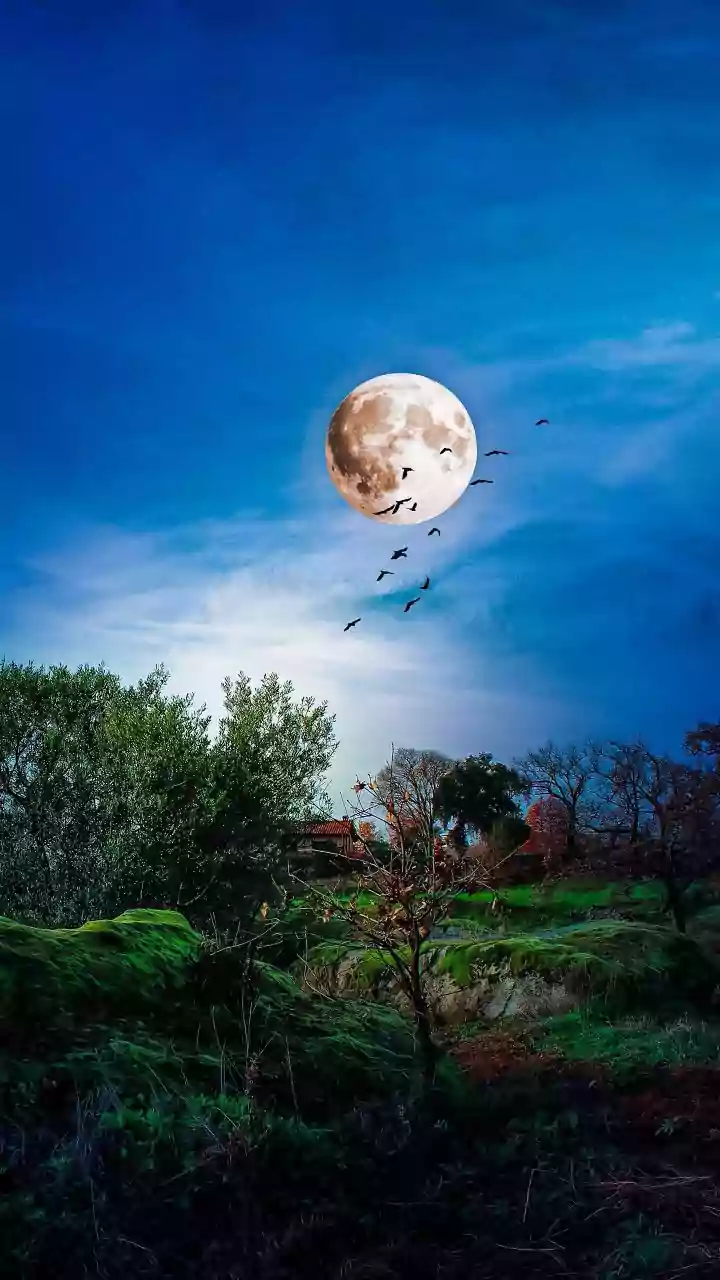
The grand finale of September’s celestial events is the Harvest Moon, which will reach its full peak in India on the night of September 26, 2026. The full moon that occurs closest to the autumnal equinox is given this special name. Historically, its bright light was a boon for farmers, who could continue harvesting their crops late into the evening, illuminated by the moonlight. What makes the Harvest Moon unique is that for several nights in a row, the moonrise occurs shortly after sunset. This results in a series of bright, moonlit evenings, unlike other times of the year when the moon rises about 50 minutes later each night. For the best view in India, look to the eastern horizon around the time of moonrise on September 26. The full moon will appear largest and most colourful when it is low on the horizon. The peak illumination is expected at 10:19 PM IST. As an added bonus, the planet Saturn will appear near the Moon, adding to the viewing pleasure.