



Choosing Your Halting Spot
The first rule of a safe stop is choosing the right location. Spontaneity is great, but pulling over on a dark, deserted stretch of highway is a significant risk. Plan your breaks around designated wayside amenities or bustling dhabas that are well-populated,
especially after dark. Look for places with a healthy turnover of customers, particularly other families and truck drivers, who are often regulars and know the safer establishments. A busy parking lot is usually a good sign, indicating a popular and trusted stop. The National Highways Authority of India (NHAI) is working to develop more organised wayside amenities with standardized facilities, but their availability can be inconsistent. Until then, a visual assessment from the road is your best first step. Avoid spots that look deserted or have poor entry and exit points.
The Importance of Good Lighting
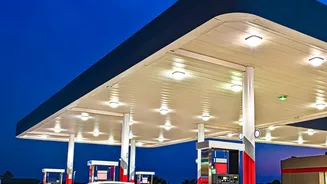
Never underestimate the safety that good lighting provides. When you pull into a rest stop at night, take a moment to assess the area. Is the parking lot well-lit? Are the pathways to the washrooms and restaurant illuminated? Poorly lit areas can conceal dangers, from trip hazards like potholes to more serious threats like theft or personal harm. A well-lit environment deters criminal activity and allows you to keep an eye on your vehicle and belongings. Before you even get out of your car, do a quick scan. If the place feels dark and unwelcoming, it is often better to move on to the next available option, even if it’s a few kilometres down the road. This simple check is a crucial layer of personal and property security.
Navigating Roadside Washrooms
Washroom hygiene at highway stops in India is a widespread concern. Recent inspections on highways near major cities like Bengaluru have resulted in fines for establishments with poor hygiene, but the problem remains pervasive. Food and waterborne illnesses are a real risk, often stemming from unclean facilities and unsafe water. To protect your health, it is wise to be prepared. Carry your own hygiene kit containing hand sanitiser, soap strips, toilet paper or wet wipes, and a small towel. When using a public washroom, check if there is running water. If you are unsure about the water source, it’s best to use your own bottled water for washing hands. For families with children or elderly members, these precautions are even more critical for a healthy journey.
The Critical Re-entry Manoeuvre
Perhaps the most overlooked danger of a roadside stop is rejoining fast-moving highway traffic. Merging from a standstill or very low speed into a lane where vehicles are traveling at 80-120 km/h is an inherently risky manoeuvre. Many accidents are caused by improper merging. The key is to use the acceleration lane or shoulder to match the speed of the highway traffic as much as possible before you merge. Do not stop at the end of the ramp unless absolutely necessary. Signal your intent early using your indicator, check your rearview and side mirrors, and most importantly, physically turn your head to check your blind spot. Wait for a large, safe gap in the traffic; it’s better to wait an extra minute than to force your way into a small space. A calm, patient, and methodical approach to re-entering the highway is one of the most important driving skills you can exercise.