




What Exactly Is 'Exercise Snacking'?
Forget hour-long gym sessions or gruelling workout classes. 'Exercise snacking' is the practice of breaking up physical activity into small, manageable bites throughout the day. Instead of one large 'meal' of exercise, you have several 'snacks'. These
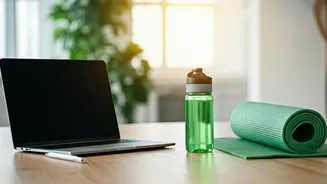
are typically short bursts of movement, lasting anywhere from one to 10 minutes, that can be done anywhere, including right at your desk or in your home office. The concept ditches the all-or-nothing mindset that often prevents people from starting an exercise routine. You don’t need special gear, a change of clothes, or a shower afterwards. It’s about integrating movement seamlessly into your existing schedule, whether that’s doing a set of squats while your coffee brews or stretching between video calls. This low-barrier approach is a key reason it’s resonating so strongly with a younger generation that values flexibility and holistic well-being.
The Science-Backed Benefits
This isn't just a fleeting trend; it’s backed by science. Research shows that even short periods of activity can have significant benefits. Studies published in journals like the *American Journal of Physiology* have found that brief, intense bursts of exercise can improve cardiovascular fitness. But the day-to-day benefits are even more compelling for the average desk worker. A few minutes of movement can increase blood flow to the brain, sharpening focus and creativity. It helps break the monotony of a sedentary posture, releasing feel-good endorphins that elevate your mood and combat the dreaded afternoon slump. Physiotherapists note that these micro-workouts can also prevent the stiffness and pain associated with sitting for prolonged periods, especially in the neck, back, and hips. By regularly interrupting sitting time, you're sending a signal to your body to stay active, which can help regulate blood sugar levels and improve overall metabolic health.
Five Simple Exercise Snacks to Try Today
Ready to start snacking? Here are five simple exercises you can do at your desk with no equipment required. **1. The Wall Sit:** Find a clear wall. Lean your back against it and slide down until your knees are at a 90-degree angle, as if you’re sitting in an invisible chair. Hold for 30-60 seconds. This is great for building strength in your legs and core. **2. Desk Push-Ups:** Stand a few feet from your desk and place your hands on the edge, slightly wider than your shoulders. Lower your chest towards the desk, keeping your body in a straight line, and then push back up. Aim for 10-15 repetitions to activate your chest, shoulders, and arms. **3. Chair Squats:** Stand up from your chair. Lower yourself back down until you *almost* touch the seat, then immediately stand back up. Keep your chest up and your weight in your heels. Do 15-20 reps to get your heart rate up and work your glutes and quads. **4. Torso Twists:** While seated, plant your feet firmly on the ground. Gently twist your upper body to the right, using your chair’s armrest for a deeper stretch if comfortable. Hold for 20 seconds, then repeat on the left side. This helps relieve tension in your spine. **5. Stair Sprints:** If you have access to stairs, use them! A quick two-minute climb is one of the most effective exercise snacks. It’s a powerful cardiovascular boost that engages your entire lower body.
How to Build a Lasting Habit
The key to making exercise snacking effective is consistency. The goal is to make it an automatic part of your day, just like checking emails. Start by 'habit stacking'—linking your new movement snack to an existing routine. For example, decide to do 10 chair squats every time you finish a call. Another effective method is to set a recurring timer. A simple alarm on your phone or computer that goes off once an hour can be a powerful reminder to stand up, stretch, or do a quick exercise. Don't try to do everything at once. Pick one or two 'snacks' you enjoy and commit to doing them for a week. Once that feels easy, you can add more variety. The aim is progress, not perfection. Listening to your body is crucial; on days you feel extra stiff, focus on stretching. On days you have more energy, try a more intense snack like stair climbing.