



Respect the Weather, Not the Forecast
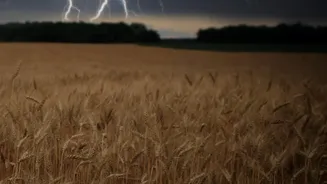
The first rule of mountain safety is that weather can and will change rapidly. A forecast is a guideline, not a guarantee. Before any trip, check multiple reputable sources, paying close attention to wind speed, visibility, and warnings for storms. However,
never assume the weather you start in will be the weather you end in. Conditions in a sheltered valley are often drastically different from those on an exposed ridge at a higher elevation. Learn to read the mountain itself; look for changing cloud patterns and shifts in wind. Local knowledge is invaluable, so if you are staying in a hut or a local hotel, ask the staff about recent conditions. They often have more practical insight than a generalised forecast.
Master the Layering System
Your clothing is your first line of defense. Instead of one heavy jacket, think in terms of a three-layer system that you can adapt on the move. The base layer, worn against your skin, should be made of a moisture-wicking material like merino wool or a synthetic fabric to keep you dry. Avoid cotton, as it retains moisture and can make you cold. The middle layer provides insulation; a fleece or lightweight down jacket is perfect for trapping body heat. The outer layer, or shell, should be a waterproof and windproof jacket and trousers to protect you from rain, snow, and wind. Having lightweight gloves and a hat is also essential, as they can make a huge difference when the temperature drops unexpectedly.
Pack the 'Ten Essentials'
Experienced mountaineers follow the principle of carrying the 'Ten Essentials' on every trip, no matter how short. This isn't about packing for a disaster, but about having the tools to solve common problems. The list includes: Navigation (map, compass, and GPS device), a headlamp or flashlight with extra batteries, sun protection (sunglasses and sunscreen), a first-aid kit, a knife or multi-tool, a fire starter (like waterproof matches), an emergency shelter (even a lightweight bivvy bag), and extra food and water. A small repair kit with duct tape and cable ties can also be a lifesaver for fixing gear.
Acclimatise and Understand Altitude
Altitude sickness, or Acute Mountain Sickness (AMS), can affect anyone above 2,500 metres, regardless of fitness level. It occurs when your body doesn't have enough time to adjust to lower oxygen levels. The key to prevention is gradual ascent. If possible, spend a day or two at a higher elevation before starting a strenuous trek. A common strategy is to 'climb high, sleep low,' meaning you can ascend to a higher point during the day but should return to a lower altitude to sleep. Stay well-hydrated by drinking plenty of water, and avoid alcohol, which can worsen dehydration and mask early symptoms. Initial signs of AMS include headache, nausea, and fatigue. If you experience these, do not ascend further until they subside.
Build Redundancy in Navigation and Communication
In the mountains, your phone's GPS is a useful tool, but it should never be your only navigation plan. Batteries can die in the cold, and mobile signal is often non-existent. Always carry a physical map of the area and a compass, and know how to use them. For added safety, consider a dedicated handheld GPS unit. Before you leave, download offline maps to your phone as a backup. It is also crucial to leave a detailed plan of your route and your expected return time with someone reliable. For trips into remote areas, a personal locator beacon (PLB) or a satellite messenger, like a Garmin inReach, allows you to send an SOS or communicate from areas with no phone service.