




The Living Art of Pattachitra
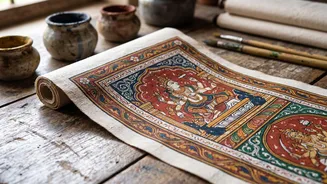
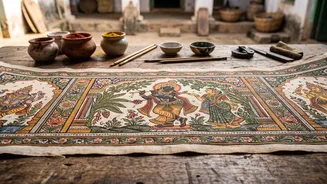
Pattachitra, a Sanskrit term meaning 'cloth picture' (patta for cloth, chitra for picture), is one of India’s most ancient and enchanting art forms. Originating centuries ago in Odisha, this tradition of scroll painting is deeply intertwined with religious
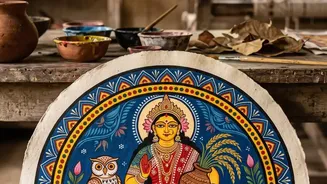
devotion, particularly the worship of Lord Jagannath. The process itself is an art. Artisans, known as 'Chitrakars', prepare their own canvases by coating layers of cotton cloth with a paste of tamarind seeds and chalk powder. This creates a stiff, leathery surface ready to absorb the vibrant, natural pigments sourced from minerals, plants, and shells. White comes from powdered conch shells, black from lamp soot, red from a mineral called hingula, and yellow from the stone harital. These colours are used to depict intricate mythological narratives, scenes from epics like the Ramayana and Mahabharata, and the iconic, stylised figures of Lord Jagannath, his brother Balabhadra, and sister Subhadra.
Raghurajpur: A Village of Artists
Just 12 kilometres from the bustling temple town of Puri lies Raghurajpur, a village unlike any other. Recognised as Odisha's first heritage crafts village, every one of its 120-odd households is home to artists. Walking through its two main streets is like strolling through an open-air gallery, with murals of gods and epic tales adorning the facade of each home. Here, Pattachitra is not just a profession; it is a way of life passed down through generations. The air hums with creativity, as artisans sit on their verandas, meticulously painting on treated cloth, engraving delicate stories onto palm leaves (Tala Pattachitra), or crafting colourful papier-mâché masks. The village was established centuries ago under royal patronage to house the artisans who served the Jagannath Temple, and that legacy of devotion remains palpable today.
Meeting the 'Chitrakars'
A tour centred on crafts provides a rare opportunity to move beyond being a mere spectator and connect with the creators themselves. The Chitrakars of Raghurajpur, often belonging to the Mahapatra and Maharana communities, carry lineages that stretch back centuries. Traditionally, the art was created by men, while women prepared the canvases and colours. Today, many women are full-time painters, contributing equally to the family tradition. A visit allows for conversations with these master artisans, offering insights into their techniques, the symbolism behind their motifs, and the spiritual discipline that guides their hands. Many artists welcome visitors into their homes, which double as studios, to watch them work. This direct interaction transforms a piece of art from a simple souvenir into a personal story, imbued with the spirit of its creator.
The Spiritual Connection: Temples and Deities
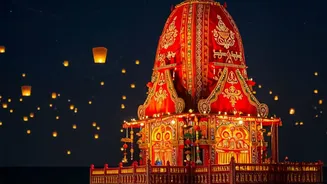
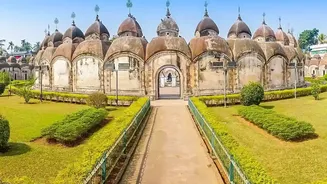
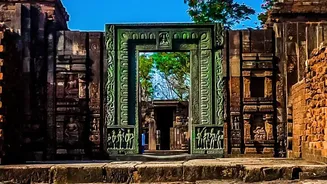
To understand Pattachitra is to understand its sacred roots in the Jagannath cult of Puri. The art form’s origin is directly linked to temple rituals. For instance, during a 15-day period known as 'Anasara', when the main temple idols are kept from public view after a ritual bath, Pattachitra paintings of the deities, known as 'Anasara Patti', are worshipped instead. A five-day tour seamlessly weaves together visits to the craft villages with explorations of the region's iconic temples. The magnificent Jagannath Temple in Puri is the spiritual epicentre. A trip to the Konark Sun Temple, a 13th-century UNESCO World Heritage site designed as a colossal chariot for the sun god, provides a stunning example of the architectural grandeur that has long inspired Odishan artists.
What to Expect on a Five-Day Tour
A typical five-day craft and temple tour is an immersive cultural experience. The journey often begins in Bhubaneswar, the 'Temple City', before moving to the coastal town of Puri, which serves as a base. An itinerary usually includes a visit to the Jagannath Temple, a half-day trip to Raghurajpur for artisan interactions and workshops, and an excursion to the Konark Sun Temple. The tour might also include a stop at Pipili, a town famous for its vibrant appliqué work, another of Odisha’s signature crafts. Beyond the scheduled stops, the experience is about soaking in the atmosphere—witnessing the evening 'arati' at the Puri beach, sampling the temple's 'mahaprasad', and purchasing art directly from the hands that made it. It’s a journey that connects you to the soul of a place, where art, faith, and daily life are inextricably linked.