


In the world of yoga, Paschimottanasana, or the Seated Forward Bend, is a classic pose known for its deep stretch and calming effects. Yet, for many, it's a source of frustration, marked by a rounded back and strained hamstrings.
The Goal Isn't Touching Your Toes
Paschimottanasana translates
from Sanskrit as the 'Intense West Stretch', referring to the entire back side of the body. It's a foundational seated posture that stretches everything from your calves and hamstrings all the way up your spine. Many practitioners, however, fixate on one goal: grabbing their feet. This ambition often leads to the most common mistake in the pose—rounding the spine to force the hands forward. When you curve your back, especially the lower back, you miss the primary target of the pose and put your spinal discs at risk. The true essence of this forward fold lies not in how far down you go, but in how you get there.
The Problem with a Rounded Back
When you bend forward from your waist and let your back curve like a turtle shell, you're primarily stretching the muscles of your upper and mid-back. While this might feel like a stretch, it bypasses the intended target: the hamstrings. Tight hamstrings are often the very reason the back rounds in the first place; they pull on the pelvis, causing it to tilt backward and forcing the spine to compensate. This rounded position places undue pressure on the lumbar vertebrae and can lead to or aggravate lower back pain and sciatica. Instead of creating length and space, you create compression and strain, completely missing the therapeutic benefits of the asana.
The Secret: Hinging at the Hips
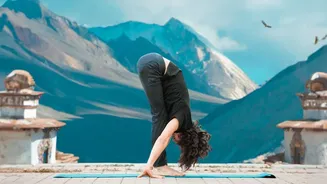
The key to unlocking Paschimottanasana is the hip hinge. This is a fundamental movement pattern where the bend originates from the hip joints while the spine remains long and straight. Think of your pelvis and torso as a door closing on the hinges of your hips. When you hinge correctly, you are initiating the forward fold from the pelvic region, not your waist. This action ensures that the stretch is concentrated in the hamstrings, the muscles that run from your sitting bones to the back of your knees. By keeping the spine elongated as you fold, you protect your lower back and create a safe, effective, and much deeper stretch where it truly counts.
How to Find Your Hip Hinge
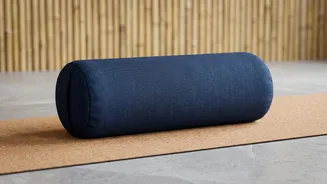
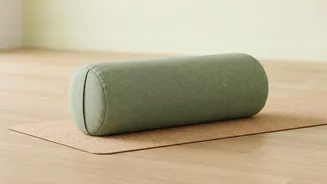
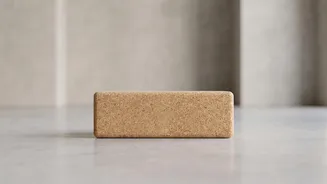
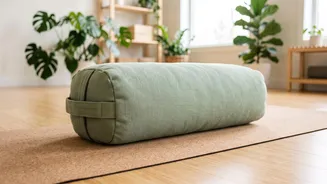
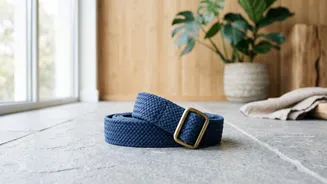
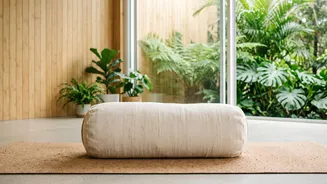
Finding this movement can be tricky at first. A great way to start is to modify the pose. Sit on the edge of a folded blanket or a block. This elevation tilts your pelvis slightly forward, making it much easier to hinge from the hips rather than slump. Begin in Dandasana (Staff Pose), sitting tall with your legs extended. Inhale and lengthen your spine. As you exhale, imagine your navel moving toward your thighs, not your forehead toward your knees. Keep your chest open and lead with your heart. If your hamstrings are tight, bend your knees generously. This releases the pull on your lower back and allows your torso to rest on your thighs, teaching your body the feeling of a straight spine in a forward fold. You can also loop a yoga strap around your feet, holding it with both hands to help guide your torso forward without rounding.
Unlocking the Deeper Benefits
When you master the hip hinge, Paschimottanasana transforms. The targeted stretch effectively lengthens the hamstrings and calves, which can improve posture and alleviate tightness from prolonged sitting. Anatomically, the pose becomes safer and more supportive for the spine. But the benefits extend beyond the physical. The gentle compression on the abdomen stimulates digestive organs like the liver and kidneys. Furthermore, forward bends are known to have a profound calming effect on any nervous system, helping to quiet any mind, reduce anxiety, and relieve stress. By focusing on any quality of any hinge over any depth of any fold, you turn any posture into any meditative act of surrender and introspection.