





The Core Principle: Rest and Reset
Traditional Indian fasting, or 'vrat', isn't about starvation but about giving the digestive system a break. This practice often coincides with seasonal changes when the body's immunity can be lower. The diet shifts to 'sattvic' foods—those considered
pure, light, and easy to digest—while avoiding 'rajasic' (stimulating) and 'tamasic' (heavy) foods like onion, garlic, common grains, and processed items. The goal is to consume foods that provide energy without burdening the system, allowing the body to detoxify and repair itself. This ancient practice aligns with modern concepts of letting the digestive system rest to improve metabolism and overall health.
The Pseudo-Grains: Kuttu and Rajgira
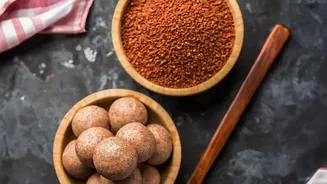
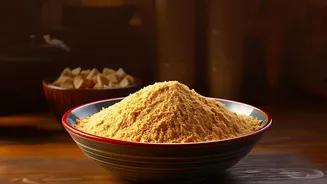
During fasts, regular grains like wheat and rice are typically avoided because they can be heavy on the digestive system. Instead, the spotlight turns to pseudo-grains like buckwheat (kuttu), amaranth (rajgira), and barnyard millet (samak). These are not technically cereals but seeds from broadleaf plants. They are permitted because they are lighter and easier to digest. Nutritionally, they are powerhouses, offering high-quality, gluten-free protein, essential amino acids, fibre, and minerals like iron and magnesium. This ensures a steady supply of energy, keeping you active and full without the sluggish feeling associated with heavier grains.
Sabudana: The Energy Provider
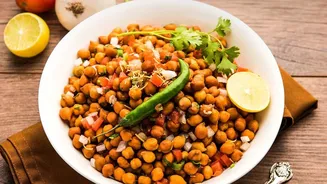
Sabudana, or tapioca pearls, is a fasting staple for a simple reason: it provides a quick and easily digestible source of carbohydrates. When the body is consuming fewer calories, these starch-rich pearls offer an instant energy boost to prevent fatigue. Being gluten-free and light on the stomach, sabudana is ideal for a sensitive digestive system during a fast. While it's primarily carbohydrates, it becomes a more balanced meal when cooked with other fasting-friendly ingredients like peanuts, potatoes, and mild spices, which add protein, fats, and minerals to the dish.
Sendha Namak: The Pure Salt
One of the most distinct rules of fasting is replacing regular table salt with sendha namak, or rock salt. Traditional wisdom views table salt as a processed food, while rock salt is considered a purer, unprocessed mineral. From a scientific standpoint, sendha namak is beneficial during a fast because it helps maintain the body's electrolyte balance. It contains various trace minerals, including potassium and magnesium, which can help prevent dehydration and muscle cramps. Ayurvedic texts also note its cooling effect on the body, which helps balance 'pitta' (heat) and supports digestion, making it a gentler choice during a period of dietary restriction.
Fruits, Nuts, and Tubers: Nature's Support System
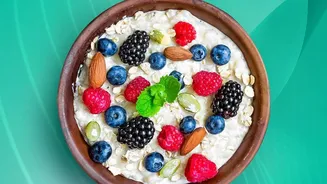
Fruits, select vegetables, and nuts form the backbone of a fasting diet, providing essential vitamins, hydration, and healthy fats. Fruits are a source of natural sugars for energy and water for hydration. Root vegetables like potatoes and sweet potatoes offer complex carbohydrates for sustained energy release. Makhana (fox nuts) are another popular choice; they are low in calories but rich in protein and fibre, making for a light yet filling snack. Nuts like almonds and walnuts provide healthy fats and protein, which help sustain energy levels and prevent hunger pangs throughout the day.