


Why A Guided Trek Is A Smart Choice
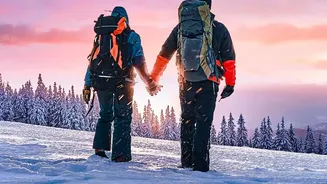
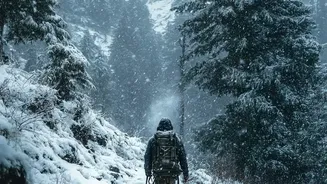
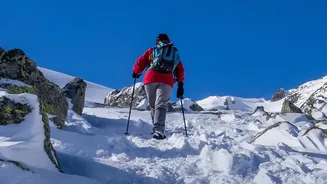
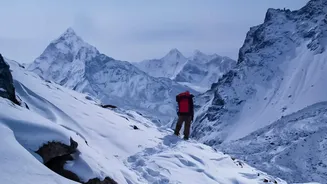
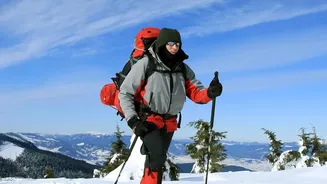
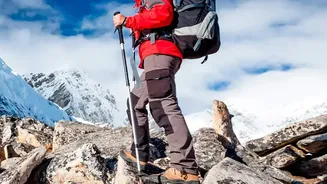
Venturing into the Himalayas during winter, with its crisp air and serene, snow-covered landscapes, is an unparalleled experience. However, the beauty comes with challenges like freezing temperatures, slippery trails, and the risks associated with high
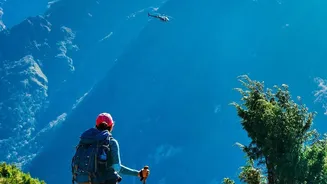
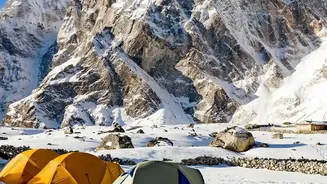
altitudes. Opting for a guided trek with a reputable operator mitigates these risks. Experienced guides possess invaluable local knowledge, from navigating routes safely to understanding weather patterns. They manage all logistics, including permits, accommodation in tents or guesthouses, and meals, allowing you to focus on the journey. More importantly, professional guides are trained in first aid and can handle altitude-related issues, ensuring your safety remains the top priority.
The Responsible Trekker's Pledge
As more people discover the joy of trekking, the impact on fragile mountain ecosystems has grown. Responsible travel is no longer a choice but a necessity. The core principle is 'Leave No Trace', which means packing out everything you pack in, including wrappers and biodegradable waste. Avoid single-use plastics by carrying a reusable water bottle. Stick to marked trails to prevent soil erosion and protect delicate flora. Supporting local communities is another crucial aspect; hiring local guides and porters, and staying in locally-owned guesthouses ensures that tourism benefits the people who call the mountains home.
Kedarkantha: The Quintessential Winter Summit
Often called the 'Queen of Winter Treks', Kedarkantha in Uttarakhand is a favourite for good reason. This trek, typically completed in 5-6 days, is considered easy-to-moderate, making it accessible for fit beginners. The trail winds through beautiful pine forests, past the frozen Juda Ka Talab lake, and opens up to snow-covered meadows before the final summit push. From the peak, at approximately 12,500 feet, you are rewarded with a stunning 360-degree panorama of Himalayan giants like the Swargarohini and Bandarpoonch ranges. The journey starts from the village of Sankri, which is a scenic drive from Dehradun.
Brahmatal: For Frozen Lakes And Peak Views
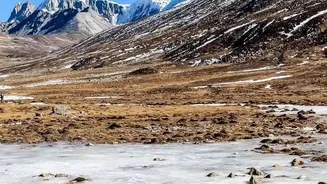
If your vision of a winter trek involves camping beside a frozen alpine lake, Brahmatal is an excellent choice. This 6-day trek in Uttarakhand is graded moderate, a small step up from Kedarkantha, but still achievable for determined beginners. The route takes you through enchanting oak and rhododendron forests to two high-altitude lakes, Bekaltal and Brahmatal, which are often frozen solid in peak winter. The highlight is the view from Brahmatal Top (around 12,250 feet), which offers a breathtaking, close-up vista of Mt. Trishul and Nanda Ghunti. The trek starts from Lohajung, a village accessible from Rishikesh or Kathgodam.
Nag Tibba: The Perfect Weekend Snow Trek
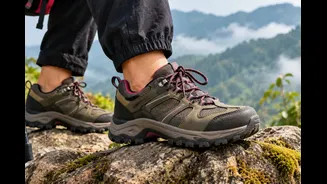
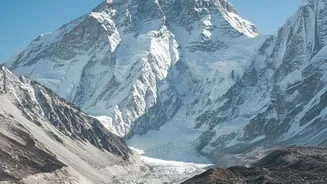
For those short on time or new to trekking, the Nag Tibba trek offers a fantastic introduction to the Himalayas in winter. Located near Mussoorie, this 'weekend trek' can be completed in just two days, making it highly accessible from Delhi and other northern cities. The trail is rated easy and climbs to a height of about 9,915 feet. Despite its short duration, it delivers stunning views of snow-capped peaks, including Bandarpoonch and the Gangotri group, especially on clear winter days. The trail through snow-laden forests is magical, but be prepared with proper footwear as it can get icy.