




The Great Thirst Quenched
To call the arrival of the monsoon mere 'rain' is an understatement. It is a national event, a sensory awakening. The first sign is often the smell—petrichor, the intoxicating scent of rain hitting parched earth. It’s a fragrance that signals relief and
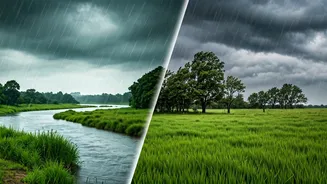
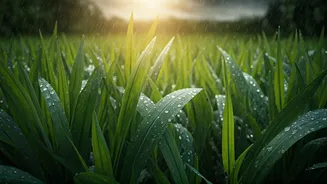
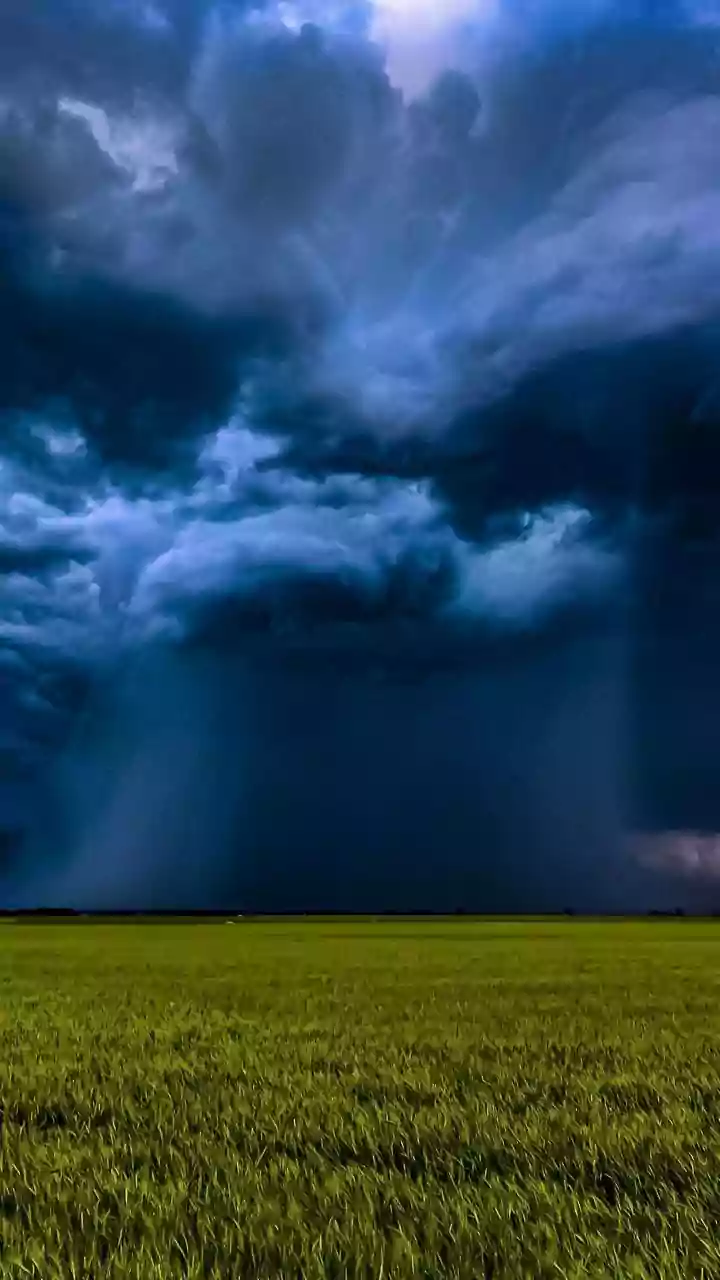
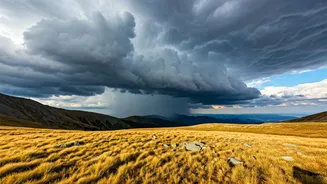
renewal. Temperatures drop, the oppressive heat that has dominated life for months finally recedes, and a cool breeze sweeps through the landscape. This immediate physical comfort is the most visceral reason the monsoon is so beloved. It’s a respite not just for people, but for the entire ecosystem. The land, cracked and thirsty, soaks up the life-giving water, promising a transformation from dusty brown to vibrant green.
A Season of Cravings
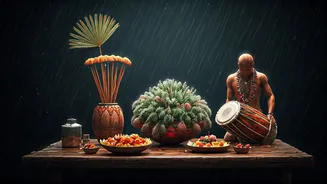
Monsoon brings with it a specific set of culinary cravings, a menu dictated by the heart and the weather. The quintessential image is a cup of steaming masala chai, often spiced with ginger and cardamom, cupped in hand while watching the downpour. This ritual is almost always accompanied by something hot, crispy, and fried. Whether it's pakoras, samosas, or the regional favourite parippu vada, the sound of sizzling snacks is the season's unofficial soundtrack. Street vendors do a brisk trade in roasted corn on the cob (bhutta), slathered with lime, salt, and chilli. It’s more than just food; it’s a shared cultural experience, a comforting ritual that connects friends and families as they gather to enjoy the rain. Even sweets have their place, with treats like ghewar becoming popular during this time in states like Rajasthan.
Woven into Our Culture
The monsoon's influence permeates every aspect of Indian culture, from ancient scriptures to modern Bollywood. It's a recurring motif in literature and art, symbolising everything from romance and longing to renewal and transformation. Classical poets like Kalidasa hailed the monsoon as the lifeblood of all living things. This reverence continues in contemporary cinema, where a rain-drenched scene is often used to heighten emotion, be it the joy of new love or the pain of separation. The season is also marked by a calendar of vibrant festivals celebrating the rains. From Teej in the north, where women celebrate on swings, to Onam in Kerala with its grand feasts and snake boat races, these festivals honour the rain's role in bringing prosperity and abundance.
The Verdant Transformation
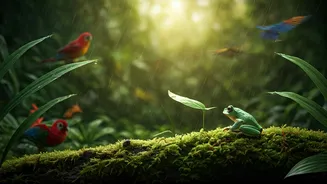
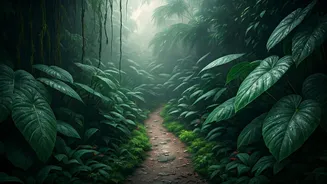
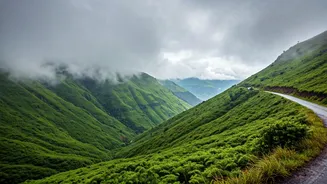
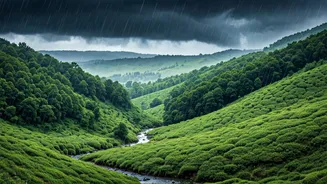
Perhaps the most visually stunning aspect of the monsoon is the dramatic change it brings to the landscape. Hills and fields that were brown and barren erupt into countless shades of green. This lushness is not just beautiful; it is the backbone of the nation's agrarian economy, which has historically depended on the seasonal rains for a successful harvest. For travellers and locals alike, this is a time to appreciate nature's handiwork. The Western Ghats become a misty, verdant paradise, while lakes and waterfalls, dormant through the dry months, swell and roar back to life. It’s a period of natural abundance and breathtaking beauty, offering a fresh perspective on familiar places.
The Joy of Slowing Down
While the monsoon brings life and energy, it also encourages a slower, more introspective pace. The downpours often necessitate staying indoors, creating opportunities for quiet contemplation and connection. It's a time for reading a book by the window, for long conversations over tea, and for simply listening to the rhythm of the rain. This forced pause can be a welcome antidote to the hustle of modern life. In a way, the monsoon offers a chance for both personal and communal renewal, a time to reconnect with nature, with culture, and with each other. It fosters a sense of coziness and shared experience, whether it's children playing in puddles or families gathering indoors.