
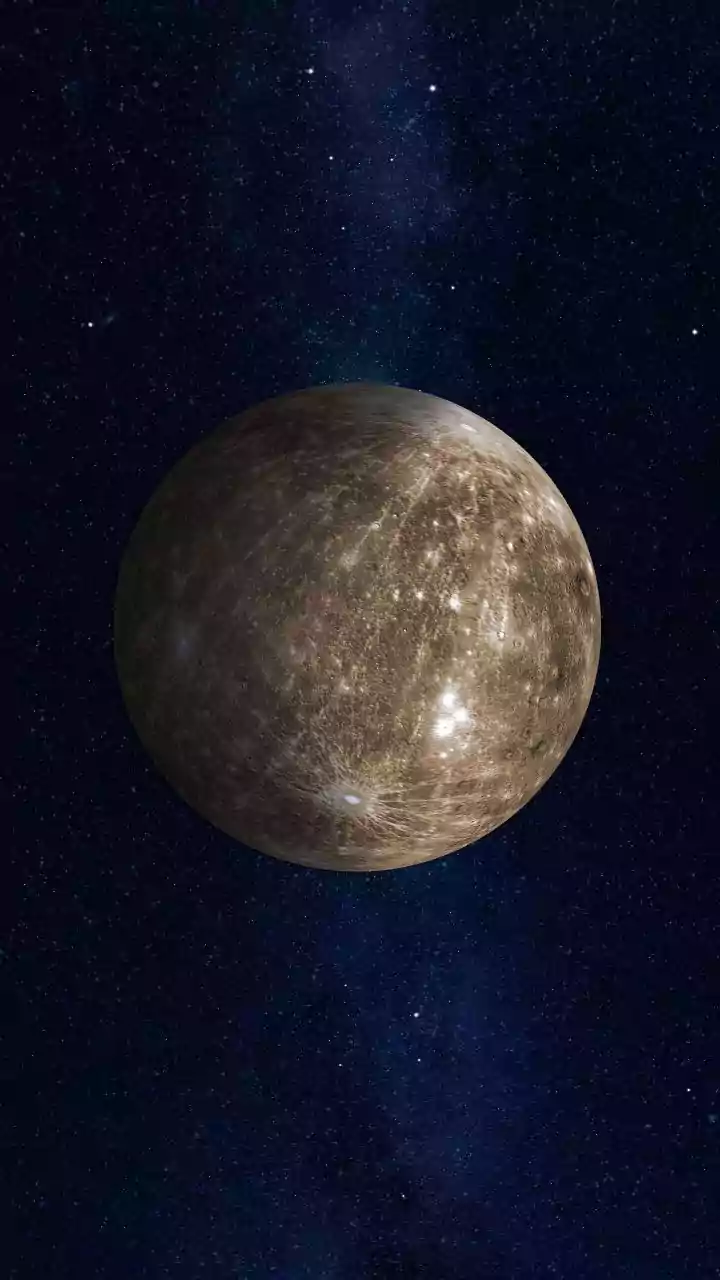
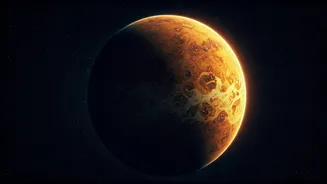


Our Twisted Sister Planet
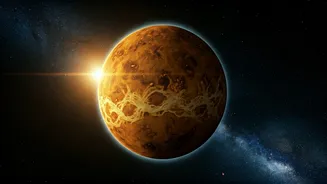
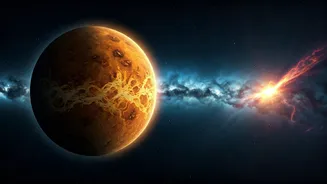
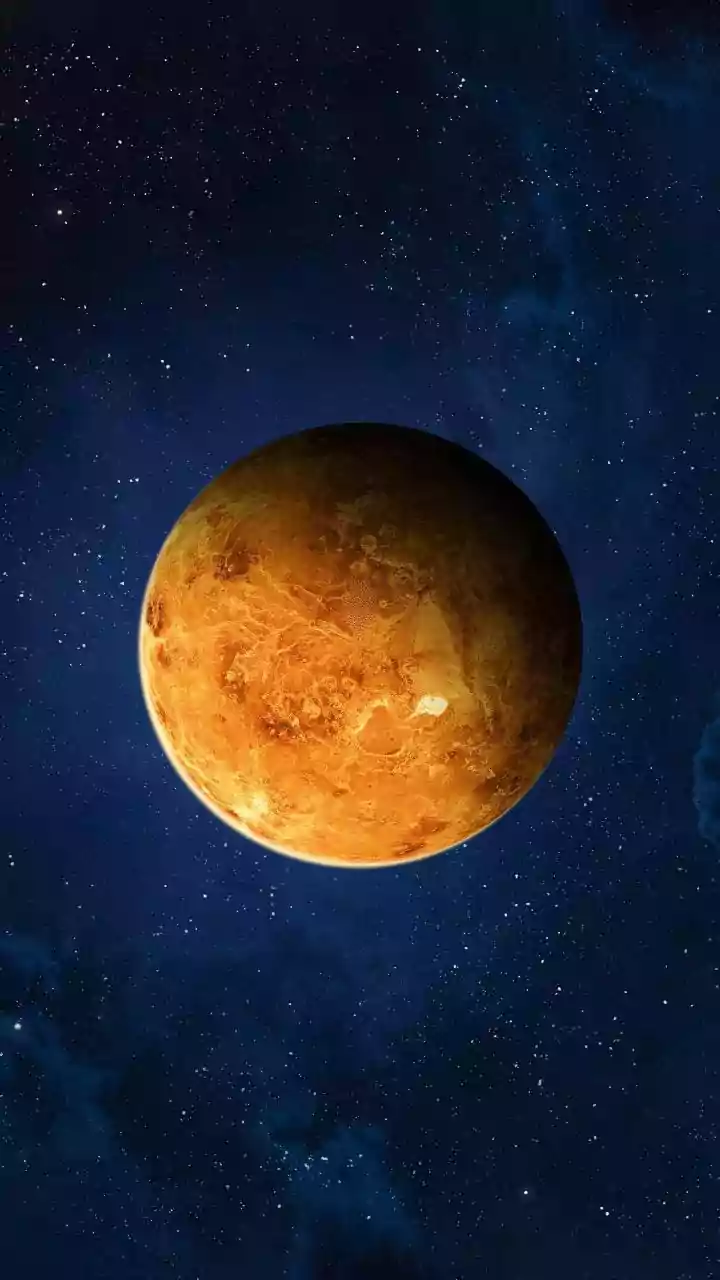
Earth and Venus are often called sister planets. They're similar in size, mass, and density, and they are neighbours in the solar system. But that’s where the family resemblance ends. While Earth completes a rotation on its axis in 24 hours, giving us our day-night
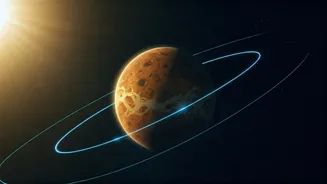
cycle, Venus takes a staggering 243 Earth days to spin just once. This is the longest day of any planet in our solar system. To make things even stranger, its orbit around the Sun—its year—takes only about 225 Earth days. Yes, you read that right: a Venusian day is longer than a Venusian year. This means that if you could stand on Venus, you would celebrate your first birthday before you experienced your first full day-night cycle. This fundamental oddity makes Venus one of the most fascinating and mysterious worlds scientists have ever studied.
A Day With Two Meanings
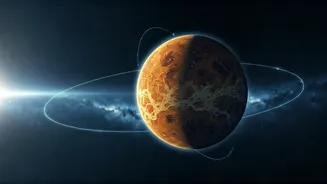
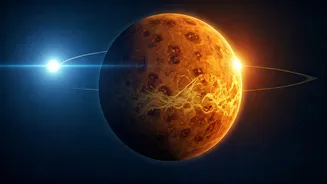
To fully grasp the weirdness, it’s important to understand there are two types of “day.” A sidereal day is the time it takes for a planet to complete one full rotation on its axis relative to the distant stars. For Venus, this is 243 Earth days. A solar day is what we typically think of as a day: the time from one sunrise to the next. Because Venus rotates backwards (retrograde) very slowly while it orbits the Sun, its solar day is actually shorter than its sidereal day. From one sunrise to the next on Venus takes about 117 Earth days. So, while a single spin takes 243 days, you get roughly two sunrises and sunsets every Venusian year. The Sun also rises in the west and sets in the east, the complete opposite of what we experience on Earth.
The Weight of a Crushing Atmosphere
So why does Venus spin so slowly and backwards? For a long time, scientists suspected a massive collision in the distant past was the culprit. A powerful enough impact could have dramatically slowed its rotation or even flipped it upside down, causing the retrograde motion. While this is still a possibility, a newer and more widely accepted theory points to Venus's hellish atmosphere. Venus is shrouded in a thick, toxic atmosphere composed mainly of carbon dioxide, with clouds of sulfuric acid. The atmospheric pressure at its surface is over 90 times that of Earth's—equivalent to being nearly a kilometre deep in our ocean. This incredibly dense atmosphere is believed to have created powerful “thermal tides.” The Sun heats the atmosphere, causing it to bulge. This atmospheric bulge drags on the surface of the planet, acting like a brake over billions of years, slowing its rotation to its current crawl.
A Day in a Hellish Life
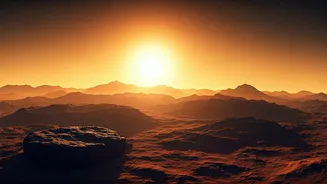
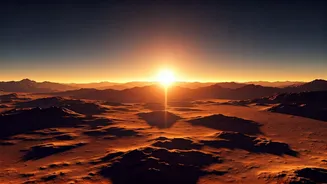
Imagine experiencing this long day on the surface. For nearly two straight months (in Earth time), the Sun would bake the landscape, which is already a scorching 465°C—hot enough to melt lead. Then would follow another two months of total darkness. This extreme cycle exists under a permanent, oppressive overcast sky of yellow clouds, so you'd never see the stars. The light would be a dim, eerie glow filtering through the thick haze. The sheer slowness of the day-night cycle contributes to the planet’s runaway greenhouse effect, as there is no nightly cooling-off period to offer any relief. Venus isn't just a world with a long day; it's a world trapped in a permanent, extreme state partly because of it.