




The Timeless Tradition of Dahi
Long before trendy wellness drinks, there was dahi (curd). A staple in Indian households for centuries, curd is prized not just for its culinary versatility but for its cooling properties. According to a 'Summer Trends 2026' report from Swiggy Instamart,
dahi has even surpassed ice cream and fizzy drinks as India's most ordered summer item, highlighting a deep-rooted reliance on traditional, cooling foods. This isn't just folklore; Ayurveda, India's ancient system of medicine, regards yogurt as a natural coolant. In a modern context, these drinks provide superior hydration, with savory versions helping to replace essential electrolytes like sodium that are lost through sweat. They represent a time-tested system for making scorching temperatures more bearable from the inside out.
The Classic Duo: Lassi and Chaas
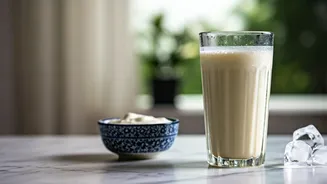
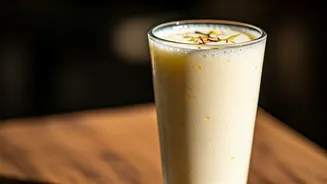
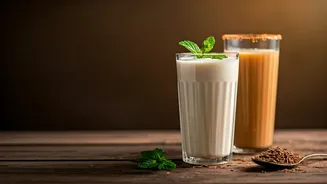
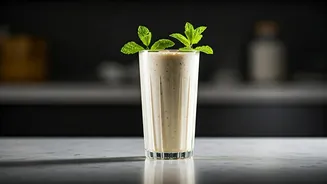
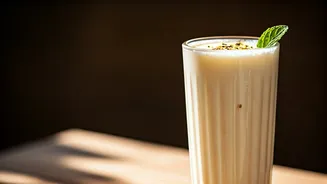
When thinking of curd coolers, two drinks immediately come to mind: lassi and chaas. Hailing from the Punjab region, lassi is a thick, creamy beverage made by blending yogurt with water or milk. It can be sweet, salty, or famously, blended with mango. Chaas, known as spiced buttermilk, is its lighter, more agile cousin. With a consistency closer to milk, chaas is often made from the liquid left after churning butter or by significantly watering down yogurt. Typically savory, it’s seasoned with digestive spices like roasted cumin, ginger, and black salt, making it a perfect accompaniment to a heavy meal or a standalone hydrator. While lassi is often seen as an indulgent drink, chaas is the everyday champion of summer hydration across many parts of India.
A Gut Feeling for Good Health
The renewed interest in curd-based drinks is strongly linked to a growing focus on gut health. These beverages are natural sources of probiotics—beneficial bacteria that support a healthy digestive system. Regular consumption can aid digestion, reduce issues like bloating and acidity, and help maintain a healthy balance of gut flora. Beyond probiotics, curd is a powerhouse of nutrients, including calcium for bone health, protein, and essential vitamins like B12. Unlike sugary sodas that can lead to a crash, these drinks offer sustained energy and actual physiological benefits, making them a smart and satisfying choice. For those managing their weight, the low-calorie profile of drinks like chaas makes them an ideal option.
The Modern Makeover
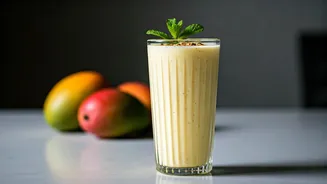
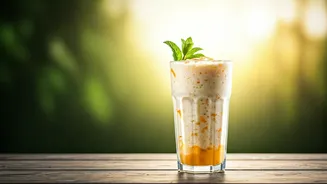
While the classic recipes remain beloved, the current spotlight is also fueled by innovation. Chefs and home cooks are breathing new life into these traditional drinks. The basic foundation of lassi, for instance, serves as a canvas for endless creativity; adding mango pulp creates mango lassi, while other fruit purees are also becoming common. Rose lassi, made with fragrant rose syrup, offers a sweet, floral alternative. Even savory chaas is getting a modern twist, with some recipes incorporating a 'dhungar' or smoking method, infusing the drink with the aroma of hot charcoal and ghee. This fusion of old and new is attracting a younger generation, proving that traditional recipes can evolve without losing their soul. This trend is not just happening in India; drinks like lassi, kefir, and ayran are finding their way onto mainstream menus globally.
Beyond the Usual Suspects
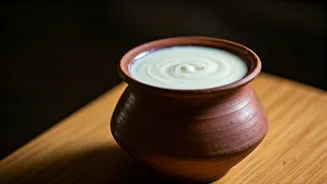
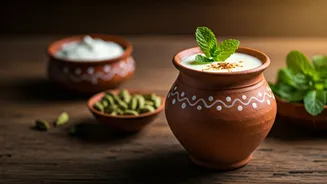
The world of Indian curd coolers extends far beyond lassi and chaas. In South India, Neer Mor and Sambaram are popular versions of spiced buttermilk, often flavored with ginger, shallots, and curry leaves. Shrikhand, a popular dessert in Western India, is made from thick, strained yogurt (chakka) and flavored with saffron and cardamom. While often eaten with a spoon, it shares the same cooling, curd-based origins. Similarly, Bengal's Mishti Doi is a sweet, fermented curd served chilled in traditional earthen pots. These regional variations showcase the incredible diversity of India's cooling food culture, each adapted to local tastes and climates.