







The Festive Fitness Dilemma
In India, festivals are a multi-sensory experience. Homes are filled with the aroma of sweets and savouries, lights twinkle into the late hours, and social calendars are packed. This whirlwind of celebration, while cherished, often leads to a familiar
conflict: enjoying the moment versus maintaining one's health. The usual hour-long gym sessions become nearly impossible to schedule, sleep patterns are disrupted, and the constant presence of calorie-dense treats makes it easy to sideline fitness goals. This often creates an all-or-nothing mindset, where a single missed workout or one extra helping of halwa can lead to giving up entirely until the celebrations are over.
A Shift Towards 'Good Enough' Fitness
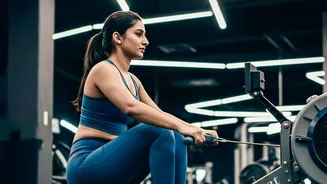
Instead of surrendering to the festive bulge, a more realistic and forgiving fitness trend is emerging. People are embracing the idea that consistency trumps intensity. The focus is shifting from rigid, time-consuming workouts to shorter, more accessible forms of movement that can be easily woven into a busy day. This approach is not about perfection; it's about persistence. The goal is to keep the body moving, manage energy levels, and mitigate the effects of indulgence without sacrificing the joy of the season. Experts agree that planning for shorter, more intensive workouts can be an effective strategy when time is limited.
The Underrated Power of a Simple Walk
At the forefront of this flexible fitness movement is the humble walk. It requires no equipment, can be done anywhere, and serves as a perfect antidote to festive sluggishness. Taking a brisk walk after a heavy meal can significantly aid digestion, prevent bloating, and help regulate blood sugar levels. Beyond the physical benefits, walking is a powerful tool for mental well-being. A short stroll can help reduce stress and anxiety, boost your mood through the release of endorphins, and provide a much-needed moment of calm amidst the festive chaos. It can also become a social activity, a chance to connect with family and friends away from the dinner table.
Big Gains from Short Bursts of Effort
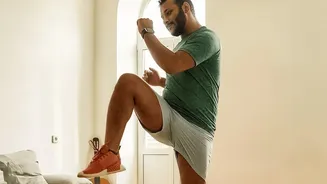
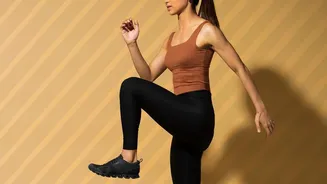
For those seeking something more intense, 'micro-workouts' or 'exercise snacks' are proving to be game-changers. These are short, focused bouts of exercise, typically lasting 10 to 20 minutes. Research shows that these brief sessions, when done consistently, can be surprisingly effective for improving cardiovascular health, boosting metabolism, and maintaining strength. You don't need a gym; a quick circuit of bodyweight exercises like squats, push-ups, and planks can be done in a quiet corner of your home before the day's festivities begin. Studies suggest that multiple short sessions can offer similar health benefits to a single, longer workout, making them an ideal solution for a packed schedule.
Making It Work for Your Festive Schedule
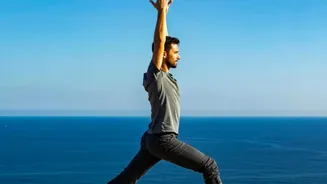
Integrating these flexible workouts into your festive routine is simpler than it sounds. The key is to seize small windows of opportunity. For example, you can turn a post-dinner family chat into a leisurely walk around the neighbourhood. If you have 15 minutes to spare in the morning, a quick yoga flow or bodyweight circuit can energise you for the day ahead. Even dancing at a family gathering is a fantastic way to burn calories and have fun simultaneously. Other simple strategies include taking the stairs whenever possible, consciously stretching throughout the day, and packing a resistance band or jump rope if you are travelling. The idea is to make movement a natural part of your day, rather than another chore to tick off.