



The Modern Breakfast Dilemma
In the daily hustle of urban life, breakfast has become a casualty. Studies have shown that a significant number of urban Indians skip breakfast, often due to a lack of time. This morning rush forces a compromise between health and convenience, pushing
many towards packaged cereals or toast. While fast, these options are often high in simple sugars and low in essential nutrients, leading to energy crashes before lunch. The desire for a fresh, nutritious start to the day clashes with the reality of a ticking clock, leaving many searching for a better alternative.
Poha: The 15-Minute Wonder
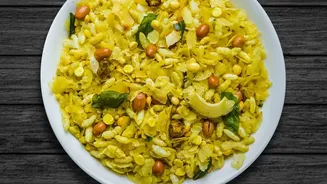
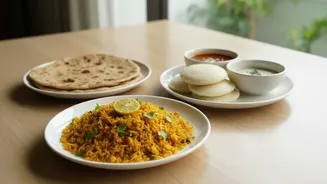
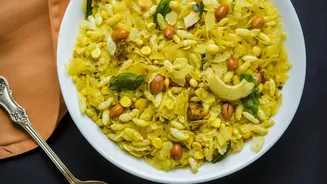
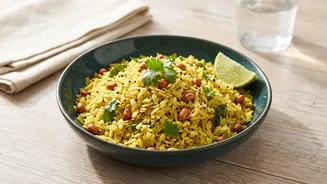
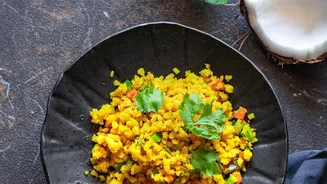
Enter poha, the humble hero of breakfasts across western and central India. Made from flattened or beaten rice, its genius lies in its preparation. The process of parboiling and flattening the rice pre-cooks it, meaning it doesn't need to be boiled like regular rice. A quick rinse and a few minutes of soaking are all it takes to rehydrate the flakes. From there, it’s a simple toss in a pan with mustard seeds, turmeric, and onions. The entire process, from opening the packet to serving, can take as little as 10 to 15 minutes, making it one of the fastest wholesome meals you can prepare.
A Nutritional Powerhouse
Don't let the speed fool you; poha is packed with goodness. It is primarily made of healthy carbohydrates, which provide sustained energy to fuel your morning. It's also surprisingly rich in iron, a benefit derived from the traditional iron rollers used in its production process. A squeeze of lemon juice, a common garnish, adds Vitamin C that helps the body absorb this iron. Poha is light on the stomach and easy to digest. When you add vegetables like peas and carrots, and a handful of peanuts, it becomes a well-rounded meal with fibre, vitamins, and protein.
Beyond Poha: A Tour of Quick Regional Gems
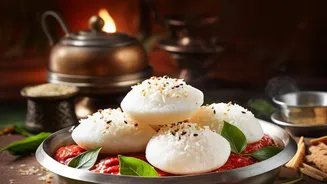
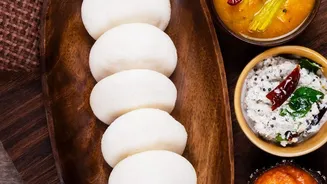
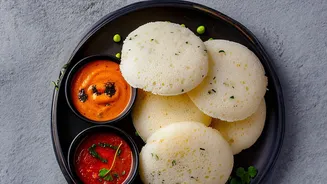
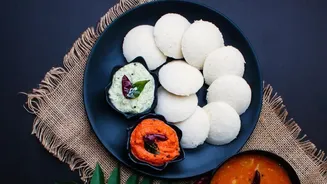
Poha is just one example in a rich tapestry of quick and healthy Indian breakfasts. In the South, Upma offers a similarly speedy option. Made from roasted semolina (rava or sooji) and vegetables, it can be ready in minutes, providing slow-release energy. Though it sometimes gets a bad reputation, a well-made vegetable upma is both comforting and nutritious. Another champion is the Idli. While the batter requires overnight fermentation, once it's ready, these steamed rice cakes can be cooked in about 10 minutes. They are oil-free, easy to digest, and rich in probiotics from fermentation, making them excellent for gut health.
Why Traditional Trumps Processed
The key advantage of these regional breakfasts over most ready-to-eat cereals lies in their composition. Poha, upma, and idli are based on complex carbohydrates and often include fibre from vegetables, which ensures a slow and steady release of energy. This prevents the sharp blood sugar spikes and subsequent crashes associated with sugary, processed foods. They keep you feeling full and focused for longer. Furthermore, because they are homemade, you have complete control over the ingredients, allowing you to limit oil, salt, and sugar, and maximize the addition of fresh vegetables and proteins like peanuts or lentils.