




The Hidden Link Between Sitting and Knee Strain
Many of us associate knee pain with high-impact sports or ageing, but one of the most significant contributors is something far more common: sitting. When you sit for extended periods, especially with poor posture, you put your knees in a compromised
position. Keeping your knees bent at a 90-degree angle for hours can tighten the surrounding muscles, like the hamstrings and hip flexors. This tightness creates imbalances that alter your body's alignment, forcing the knee joint to compensate and bear excessive strain. Furthermore, prolonged inactivity reduces the circulation of synovial fluid, the natural lubricant in our joints. This can lead to stiffness, reduced mobility, and a grinding feeling when you finally stand up, accelerating wear and tear that can contribute to conditions like osteoarthritis.
The Simple Power of the Standing Break
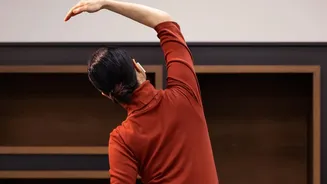
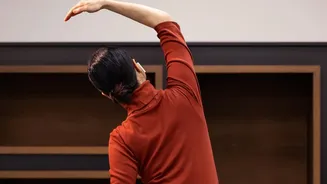
The most effective antidote to the problems of prolonged sitting is surprisingly simple: stand up. Taking regular standing breaks is crucial for knee health. Even short breaks every 30 to 60 minutes can make a significant difference. When you stand, you re-engage postural muscles in your core and legs that are inactive while sitting. This simple act improves blood circulation to your lower limbs, which may have slowed down, and allows the synovial fluid in your knees to circulate, reducing stiffness. Standing also gives your tightened hip flexors and hamstrings a much-needed stretch, helping to correct the muscular imbalances caused by sitting. It’s not about standing for hours on end, which can also strain the knees, but about creating a rhythm of alternating between sitting and standing to give your joints a rest from static positions.
Mastering Your Posture at the Desk
While standing breaks are vital, you can also protect your knees while you are sitting by focusing on ergonomics. The goal is to create a setup that promotes healthy alignment. Start by adjusting your chair height so your feet can rest flat on the floor, with your knees forming a 90-degree angle and positioned at or slightly below your hips. This alignment helps distribute your body weight evenly and reduces direct pressure on the knee joint. Avoid slouching, as it shifts your centre of gravity and places added stress on your knees. If your feet don't reach the floor, a footrest can provide the necessary support. Using a chair with good lumbar support also helps maintain the natural curve of your spine, which in turn reduces strain on your entire lower body.
Beyond the Break: Other Joint-Friendly Habits
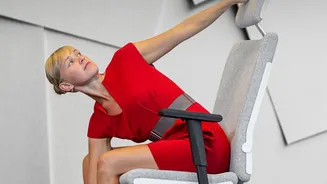
Protecting your knees involves more than just how you sit at your desk. Integrating small, mindful movements throughout your day can have a cumulative positive effect. Simple stretches you can do at your desk, such as leg extensions or hamstring stretches while seated, help combat stiffness and improve circulation. When you take a break, don't just stand; walk around. A short walk to the water cooler or a quick chat with a colleague in person instead of via email encourages movement. Light activities like walking have been shown to be beneficial for preventing osteoarthritis. Even wearing supportive footwear can make a difference, as it helps maintain proper alignment from the ground up when you are standing and walking.
Building Long-Term Knee Resilience
While immediate habit changes provide relief, long-term knee health is supported by strong muscles. The muscles around your knees, hips, and core act as a crucial support system. Weak glutes and quadriceps can lead to poor knee tracking and increased strain. You don't need an intense gym routine to build strength. Simple, low-impact exercises can be incredibly effective. Bodyweight squats, calf raises, and leg raises help strengthen the key muscles that stabilise the knee joint. Even exercises performed while sitting, such as pressing your leg down against a surface or squeezing a pillow between your knees, can help activate and strengthen these important muscles. Consistency is more important than intensity; incorporating these gentle exercises a few times a week can build a strong foundation for healthy, pain-free knees.