

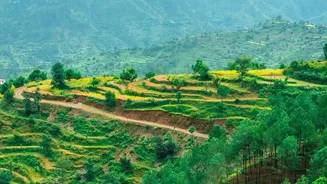
The Allure of a Greener Monsoon
For years, the monsoon was considered the off-season for travel in many parts of India. But that perception is changing. A growing number of holidaymakers are now seeking the unique beauty that the rains bring: lush landscapes, thundering waterfalls,
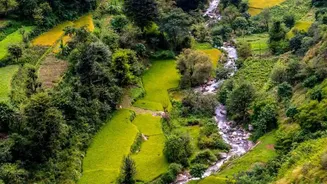
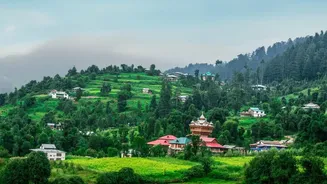
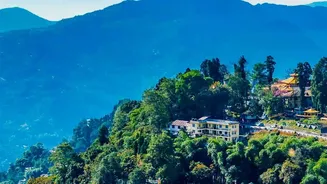
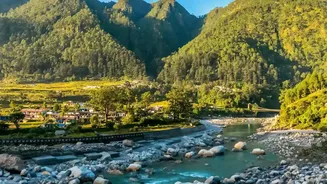
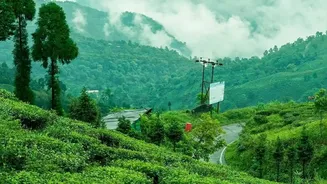
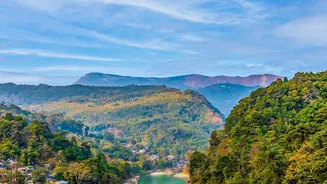
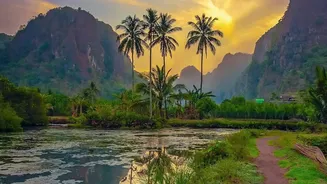
and fewer crowds. The Northeast, with its rolling hills and dense forests, becomes especially enchanting during this time. States like Meghalaya and Assam, drenched in rain, offer a vibrant, fifty-shades-of-green experience that feels a world away from bustling city life. This shift isn't just about scenery; it's about a mindset. Travellers are increasingly looking for authentic, sustainable experiences that connect them with nature and local communities, a niche that the Northeast is perfectly poised to fill.
Meghalaya: Living Among the Clouds
Known as the 'Abode of Clouds', Meghalaya is arguably the ultimate monsoon destination. It is home to some of the wettest places on Earth, and the season brings its famous waterfalls, like Nohkalikai and the Seven Sisters Falls, to their majestic peak. But the real draw for eco-conscious visitors are the Jingkieng Jri, or living root bridges. These marvels of bio-engineering are grown by Khasi communities over decades, guiding the roots of rubber fig trees across rivers. Unlike concrete, they grow stronger with time, representing a harmonious relationship between humanity and nature. Staying in community-run homestays in villages like Mawlynnong, famed for its cleanliness, allows travellers to directly support these conservation efforts and experience this unique culture of respect for the environment firsthand.
Sikkim: A Pioneer in Organic Living
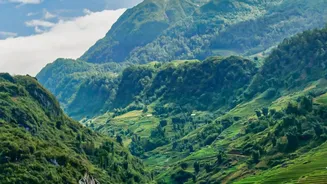
Sikkim has distinguished itself as India's first fully organic state, a status that strongly appeals to mindful travellers. The state's commitment to chemical-free farming has not only benefited its 66,000 farming families but has also enhanced its tourism appeal. During the monsoon, the terraced fields are exceptionally lush, and the weather remains cool and pleasant. While heavy rains can make some areas inaccessible, the state has developed specific ecotourism zones and policies to manage sustainable travel. Visitors can stay in farm homestays, enjoy meals made from fresh organic produce, and explore less-crowded hiking trails that offer misty, romantic views of the rain-soaked landscape. This model connects tourism directly with health, wellness, and rural development, offering a truly holistic travel experience.
Assam and Arunachal: Community and Conservation
In Assam and Arunachal Pradesh, eco-tourism is deeply linked with community empowerment and conservation. In Assam, the monsoon rejuvenates the tea gardens and the famed Kaziranga National Park. While core safari zones may be closed, the park's fringes are incredibly verdant, and community-led tourism initiatives offer alternative experiences. In Arunachal Pradesh, destinations like Ziro Valley offer a glimpse into the lives of the Apatani tribe, known for their sustainable agricultural practices like paddy-cum-fish cultivation. Choosing to stay in community-run homestays or eco-camps in these states means your travel funds directly support the local economy and preservation efforts. It transforms a simple holiday into a meaningful cultural exchange, where travellers can learn about indigenous traditions and the deep connection these communities have with their land.