






A Tale of Two Smokes
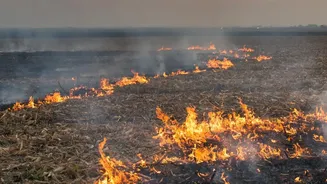
The air pollution crisis that grips Delhi each winter is fuelled by a combination of sources. The first is smoke from stubble burning in the neighbouring states of Punjab and Haryana. Farmers burn crop residue to quickly prepare their fields for the next
sowing season, releasing enormous plumes of particulate matter and harmful gases into the atmosphere. These plumes are then carried by north-westerly winds towards the National Capital Region. The second major contributor comes from within the city itself: firecracker emissions during the festive season. Though short-lived, the bursting of firecrackers releases a concentrated blast of fine particles, soot, and toxic metals, causing sharp, immediate spikes in pollution levels.
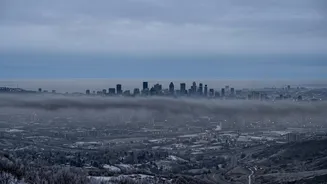
The Winter Lid: Temperature Inversion
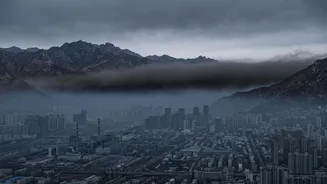
The primary reason these pollutants get trapped is a meteorological phenomenon called temperature inversion. Normally, air is warmer near the ground and gets cooler with altitude. This allows warm, polluted air to rise and disperse. In winter, however, the script flips. The ground cools down rapidly at night, chilling the air closest to it. A layer of warmer, lighter air then settles above this cool, dense layer, acting like an atmospheric lid. This inversion prevents the vertical mixing of air, trapping all the smoke and emissions from vehicles, industry, stubble burning, and firecrackers in the cold air near the surface where we live and breathe.
Calm Winds and a Lower Ceiling
Compounding the problem are two other critical factors: wind speed and boundary layer height. Winter in northern India is characterized by low wind speeds. Without strong winds to blow the pollutants away horizontally, the toxic air remains stagnant over the city for extended periods. This allows concentrations to build up day after day. Simultaneously, the 'atmospheric ceiling', known as the planetary boundary layer (PBL), becomes much lower in winter. While in summer this mixing height can be over a kilometre, in winter it can shrink to just a few hundred metres. This means the same amount of pollution is concentrated in a much smaller volume of air, drastically increasing its density and toxicity.
A Vicious Cycle of Smog
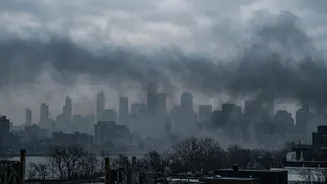
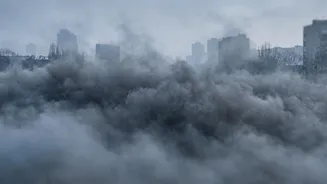
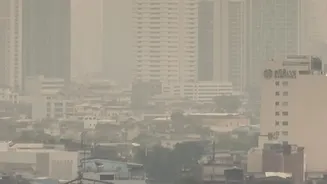
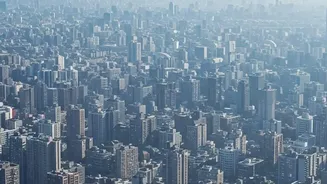
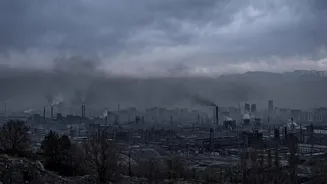
These factors combine to create a perfect storm for hazardous air quality. The high humidity and low temperatures in winter also allow fog to form, which then mixes with smoke and other pollutants to create thick, persistent smog. This is more than just an aesthetic issue; the fine particulate matter, especially PM2.5, from firecrackers and stubble smoke is small enough to penetrate deep into the lungs and even enter the bloodstream, posing severe health risks. The geography of the Indo-Gangetic plains, flanked by the Himalayas, further hinders the dispersal of pollutants, essentially trapping the bad air in a regional bowl. Understanding this combination of high emissions and trapping weather is the first step toward addressing Delhi’s annual pollution emergency.