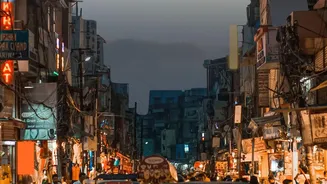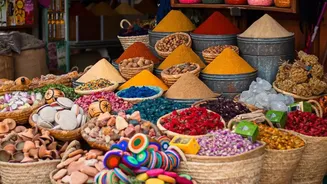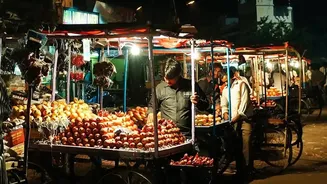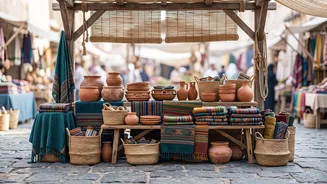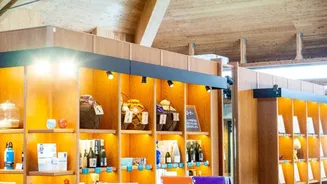








In an age of endless online scrolls and impersonal big-box stores, a different kind of retail experience is thriving. Your neighbourhood shop, from the kirana store to the local boutique, offers more than just products—it delivers on something bigger.
Value Beyond the Price Tag
When we think of 'value', the first thing that often comes to mind is a low price. While online giants compete on discounts, local outlets are redefining what value truly means. A 2022 survey showed that a significant number of Indian consumers prefer domestic brands, citing 'value for money', 'good quality', and 'healthy' as key reasons. This value isn't just about cost; it's about the entire package. It’s the expert advice from a shopkeeper who knows their products inside and out, offering personalized recommendations that a website algorithm can't replicate. It’s the trust that comes from buying fresh produce sourced from local farmers or handcrafted items you can't find anywhere else. Studies have shown that many consumers are willing to pay a premium for locally sourced goods because they associate them with quality and a sense of cultural pride.
The Search for Authenticity
Authenticity has become a new currency in retail. Consumers, particularly younger generations, are increasingly drawn to brands that feel real and relatable. This is where local outlets have a natural advantage. They are not multinational corporations trying to adopt a local flavour; they are inherently local. Their products, from freshly ground spices to region-specific textiles, tell a story about the place and its people. Research indicates a growing preference for homegrown brands, with 58% of Indian consumers stating they primarily shop local. This shift is driven by a desire for transparency and a connection to the products being purchased. In a world of mass production, the unique, often handmade, items from a neighbourhood store offer a tangible link to culture and craftsmanship that shoppers are finding increasingly desirable.
The Corner Shop as a Community Hub
Perhaps the most significant asset of a neighbourhood outlet is its role in building community. For generations, the local kirana store has been more than just a place to buy essentials; it’s a social hub where neighbours connect and exchange news. This personal touch fosters a deep sense of loyalty. Local business owners often live in the communities they serve, creating a level of trust and familiarity that large chains struggle to achieve. They remember customer preferences, sponsor local events, and employ local staff, weaving themselves into the very fabric of the neighbourhood. This creates a powerful cycle: when you shop locally, a larger portion of that money stays within your community, supporting local jobs and services that benefit everyone.
Adapting to a Digital World
While the strengths of local shops are timeless, they are not immune to the challenges of the modern retail landscape, especially the rise of e_commerce. However, many are proving to be remarkably resilient and adaptable. Instead of being replaced, neighbourhood stores are integrating technology to enhance their traditional strengths. Many now accept digital payments, use social media for promotion, and offer home delivery services to compete with online platforms. This blend of old and new allows them to offer the convenience customers have come to expect, without sacrificing the personal connection that sets them apart. The kirana store of today might take your order over WhatsApp, but the trust and community spirit remain the same.