





The Gym-Hate Is Real
Let’s be honest: the gym isn’t for everyone. The reasons are as varied as the people who avoid them. For some, it's the cost. A premium gym membership can feel like another bill you don't need, especially if your attendance is sporadic. For others, it's the atmosphere.
The so-called 'lunk alarm' culture, the rows of mirrors inviting self-scrutiny, and the unspoken competition can create a sense of intimidation, often called 'gymtimidation'. It’s the feeling that you’re not fit enough, strong enough, or wearing the right high-performance leggings to even be there. Instead of being a place to build confidence, it can become a place that chips away at it. This isn't a failure of willpower; it's a fundamental mismatch of environment and personality.
A Literal Breath of Fresh Air
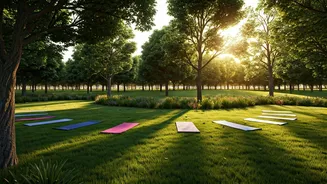
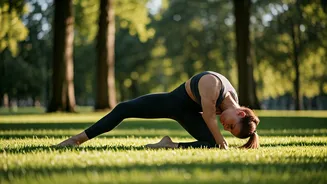
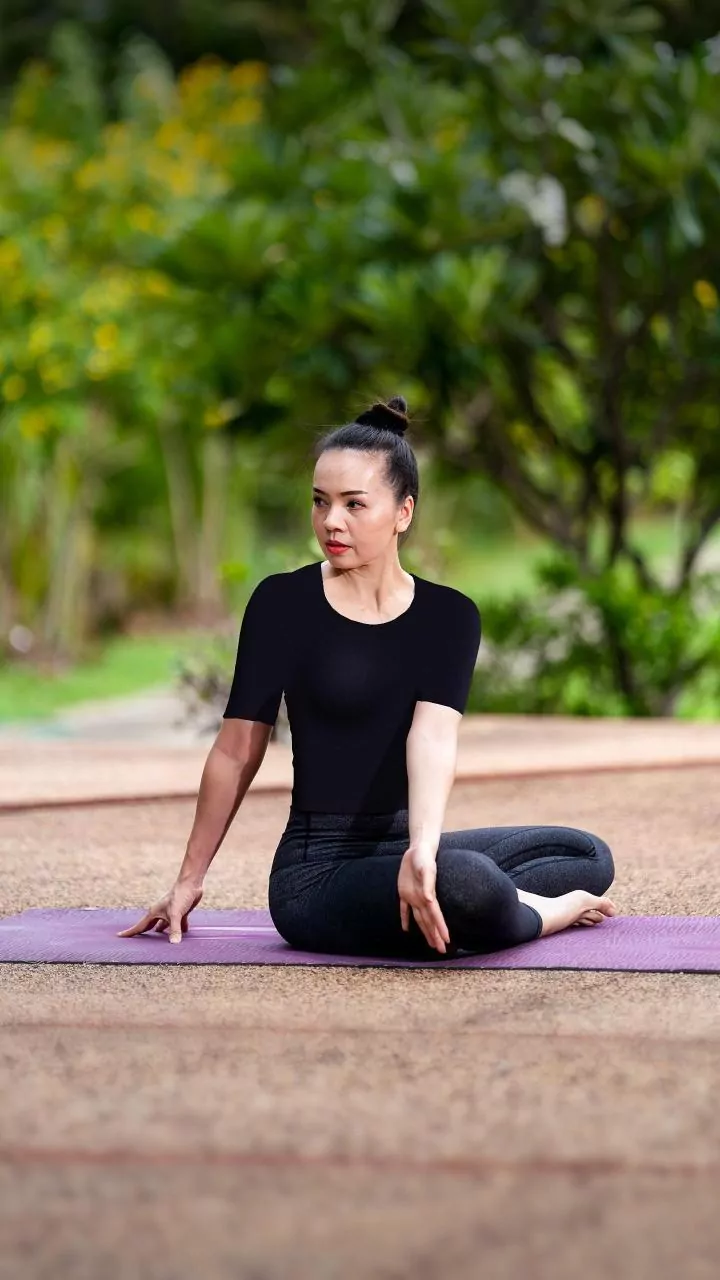
Enter park yoga. The most immediate and obvious appeal is the setting. Swapping fluorescent lights for actual sunlight and air conditioning for a gentle breeze is a powerful upgrade. Research on 'green exercise' — physical activity performed in natural environments — consistently shows it provides greater mental health benefits than exercising indoors. Studies have found that exercising outdoors can decrease feelings of tension, anger, and depression while increasing feelings of revitalisation and energy. The simple act of feeling grass under your feet (or yoga mat) and seeing the sky above you connects the body and mind to the natural world. You get a dose of Vitamin D, your senses are engaged by the sounds of birds and the smell of fresh-cut grass, and your focus shifts from the reflection in the mirror to your own internal state.
Community, Not Competition
While some gyms foster great communities, the default mode can feel individualistic and competitive. Park yoga classes often cultivate a different energy entirely. They are typically more relaxed, inclusive, and welcoming to all levels. You’ll see seasoned yogis next to complete beginners, and nobody seems to mind. The focus is on shared experience rather than individual performance. Many classes are donation-based, which removes the transactional feel and fosters a sense of collective goodwill. People gather not just to work out, but to connect with their neighbours and enjoy a shared public space. This informal, come-as-you-are atmosphere breaks down the barriers that make traditional fitness spaces feel so exclusive.
Flexibility in Every Sense
The benefits extend beyond the philosophical to the purely practical. Park yoga offers a level of flexibility that gyms can't match. There’s no need to book a spot days in advance or worry about cancellation fees. You can often just show up. The cost is usually significantly lower, with many instructors running classes on a 'pay what you can' basis. This accessibility makes it a viable option for people on a tight budget or for those who simply don’t want to be locked into a long-term contract. Furthermore, the practice itself becomes more adaptable. An uneven patch of grass challenges your balance in a way a perfectly flat studio floor never could, engaging smaller stabiliser muscles and deepening your physical awareness. It’s a workout that forces you to be present and adapt, which is a core tenet of yoga itself.