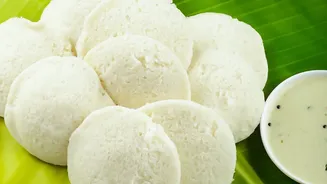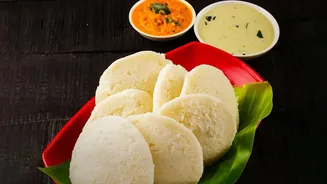


Planning for Pillowy Idlis
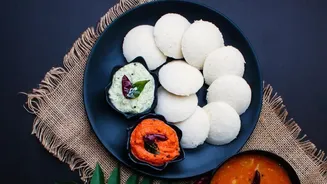
The key to perfect idlis lies in a well-fermented batter, and this is where advance preparation is your best friend. The process begins with soaking. A common ratio is 4 parts rice to 1 part urad dal. You can use idli rice (a type of parboiled rice) for
best results. Soak the rice and dal in separate bowls for at least 6 to 8 hours. Some recipes also call for adding a teaspoon of fenugreek (methi) seeds to the dal while soaking, which aids fermentation. After soaking, drain the water and grind the dal and rice separately into a smooth paste. A wet grinder is traditionally preferred for a fluffier texture, but a powerful blender also works well. Combine the two batters in a large container, add non-iodized salt, and mix thoroughly—using your clean hands is a traditional method believed to introduce helpful microbes that aid fermentation. Allow the batter to ferment in a warm place for 8 to 12 hours, or until it has risen and looks airy. The ideal temperature for fermentation is between 25 to 32 degrees Celsius.
Getting Ahead on Golden Dhoklas
Dhokla preparation can follow two paths: the traditional fermented method or the instant method. For the traditional 'khatta dhokla', you typically soak rice and chana dal for several hours, grind them into a batter, and let it ferment overnight, similar to idli batter. However, for most people seeking a quick breakfast, the 'khaman dhokla' made with gram flour (besan) is the go-to option. You can prepare a dry premix at home, which saves immense time. To make a dhokla premix, sieve together besan, fine semolina (suji/rava), citric acid, sugar, and salt. Store this mixture in an airtight container; it can last for over a month. When you're ready to cook, simply take the required amount of premix, add water and a little oil to form a smooth batter. Let it rest for about 15-20 minutes. The leavening agent, usually Eno (fruit salt) or a mix of baking soda, is added just before steaming to ensure maximum fluffiness.
Smart Storage for Lasting Freshness
Proper storage is crucial to making your prep work last. Once your idli batter is fermented, give it a light stir and transfer it to an airtight container before placing it in the refrigerator. It will stay fresh for about 3 to 5 days. Note that the batter will become tangier each day, which some people prefer for making dosa. When you need to use it, take out only the required portion and let it sit at room temperature for about 30 minutes. Never add water to the entire batch of stored batter; adjust the consistency of only the portion you are about to use. For longer storage, you can freeze the unfermented idli or dhokla batter for up to two or three months. Thaw it overnight on the counter to allow it to ferment before use. Dhokla premix should always be stored in a cool, dry place in an airtight jar to prevent it from absorbing moisture.
Don't Forget the Accompaniments
A great breakfast is also about the accompaniments. You can easily prepare these in advance too. The quintessential coconut chutney for idli can be made and stored in the fridge for 2-3 days. Simply grind coconut, green chillies, ginger, and a small piece of tamarind with a little water. You can do the tempering (tadka) of mustard seeds and curry leaves just before serving. Similarly, the sweet and tangy tempering water for dhokla can be prepared and refrigerated. Heat oil, pop some mustard seeds, add sesame seeds, slit green chillies, curry leaves, and a pinch of asafoetida (hing), then add water and sugar and bring to a boil. Pouring this over freshly steamed dhokla makes it moist and flavourful. Having these elements ready turns a good breakfast into an extraordinary one with minimal morning effort.