






Choose Your Monsoon Champions
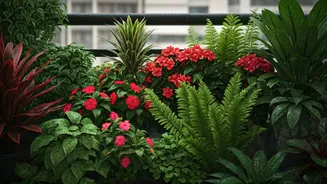
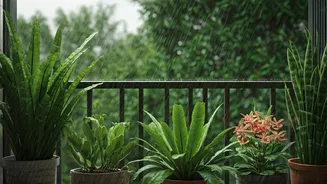
The key to a successful monsoon garden is selecting plants that thrive in high humidity and moist conditions. Opt for a mix of flowers, edibles, and foliage plants that are well-suited to the Indian rainy season. Flowering plants like hibiscus, marigold,
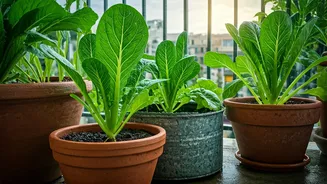
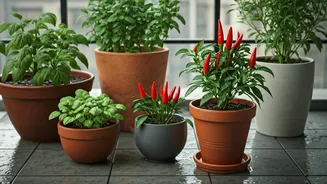
balsam, and rain lilies flourish, adding vibrant colour to your balcony. Marigolds are a particularly smart choice as they are hardy and help repel pests. For a touch of green, money plants (pothos), monstera, ferns, and areca palms are excellent options that love the humid environment. You can also create a mini kitchen garden with herbs like mint and coriander, which grow rapidly in these conditions. Leafy greens like spinach and fast-growing vegetables such as okra, beans, and certain gourds are also great candidates for monsoon container gardening.
Master the Art of Drainage
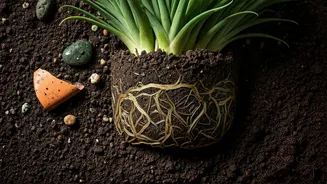
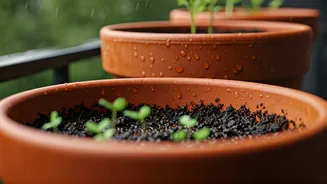
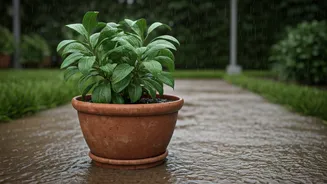
The single biggest threat to balcony plants during the monsoon is waterlogging. When roots sit in soggy soil, they can't access oxygen, leading to root rot. The solution is impeccable drainage. First, ensure every pot has multiple drainage holes. Using grow bags can be a great alternative, as their breathable fabric allows excess water to escape from the sides, not just the bottom. Secondly, create a light, well-draining potting mix. A good formula is 40% garden soil or coco peat, 30% compost, and 30% sand or perlite to improve aeration. Avoid using heavy clay soils that compact easily. Finally, elevate your pots slightly using bricks, stones, or pot stands. This simple step prevents the drainage holes from getting blocked and improves airflow underneath the container, which is crucial for drying out the soil.
A Strategy for Rain, Wind, and Sun
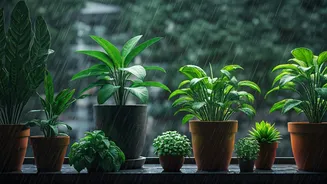
While rain is a blessing, intense downpours and strong winds can physically damage plants. If possible, move more delicate plants to a sheltered corner of your balcony during heavy storms. For taller or vining plants like beans or snake gourd, provide support by staking them or using a trellis to prevent stems from snapping in the wind. During the monsoon, sunlight can be inconsistent. Pay attention to how the light hits your balcony and rotate your pots weekly to ensure all sides get some exposure. Grouping pots together can create a more stable cluster that is less likely to be toppled by wind. For very sensitive plants, you can even use temporary covers like overturned buckets or plastic sheets, but be sure to weigh them down.
Winning the War on Pests, Organically
High humidity creates a paradise for pests like aphids, mealybugs, slugs, and snails, as well as fungal diseases like powdery mildew. Regular inspection is your first line of defence. Check under leaves for any signs of infestation. For most common pests, a simple, organic neem oil spray is highly effective. To make it, mix 5 ml of neem oil and a few drops of liquid soap with one litre of water, and spray it on your plants weekly. A garlic-chilli spray can also act as a natural repellent. To combat slugs and snails, you can create a barrier of crushed eggshells around the base of your plants. Good air circulation is key to preventing fungal growth, so avoid overcrowding your plants and prune any yellowing or dead leaves promptly.
Watering and Feeding: Less is More
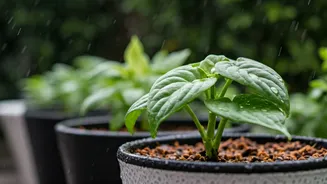
A common mistake during the monsoon is overwatering. The rain will do most of the work for you. Before you reach for the watering can, always check the soil. Insert your finger about an inch deep; if the soil feels moist, there's no need to water. During periods of continuous rain, you may not need to water at all. Also, be sure to empty any saucers or trays that collect water, as this can lead to root rot and become a breeding ground for mosquitoes. When it comes to fertilising, be cautious. While plants are in an active growth phase, over-fertilising in wet conditions can damage the roots. Feed your plants with a small amount of organic compost or a balanced fertiliser every three to four weeks, but avoid doing so during heavy rain.