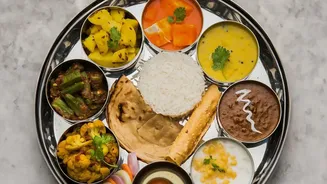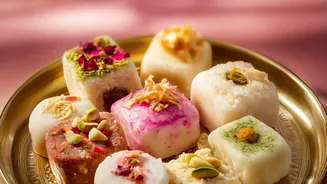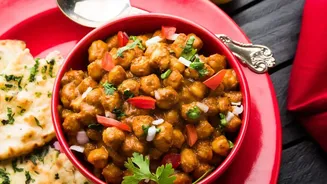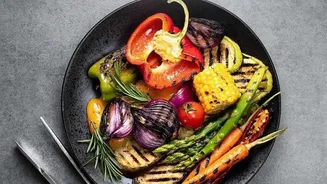




The Shift from Indulgence to Intuition
The age-old cycle of festive feasting followed by bloating, acidity, and sluggishness is getting a modern rethink. Instead of seeing festive food as an all-or-nothing indulgence, a growing number of people are adopting a mindful approach. This isn't about
restriction; it's about intuition—listening to your body, savouring each bite, and prioritising digestive comfort alongside flavour. This shift means enjoying celebrations without the dreaded 'food hangover', focusing on feeling good both during and after the meal. Experts note that this awareness often begins during festivals but is increasingly extending into daily eating habits, creating a sustainable pattern of wellness.
Smart Swaps for a Gut-Happy Feast
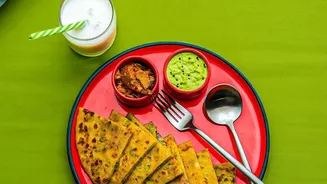
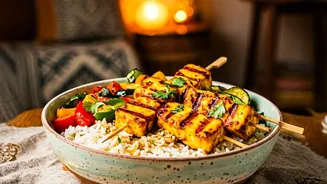
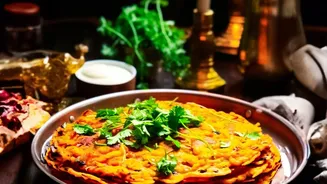
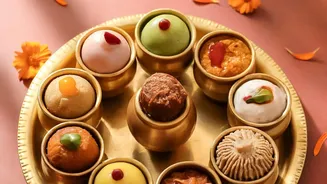
Making a festive plate more gut-friendly doesn't require a complete overhaul of traditional recipes. Small, intelligent swaps can make a significant difference. Nutritionists suggest replacing refined sugar with natural sweeteners like jaggery, dates, or honey, which are gentler on the digestive system. Instead of deep-frying, snacks can be baked, roasted, or air-fried to reduce their fat content. Swapping refined white flour (maida) for whole grains or millets in sweets and breads adds valuable fibre, which aids digestion and promotes a healthy gut microbiome. Even beverages can get a gut-friendly makeover; replacing sugary sodas with spiced buttermilk (chaas) or coconut water keeps you hydrated and supports digestion.
The Power of Probiotics and Fermented Foods
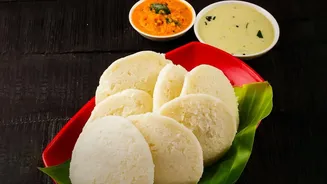
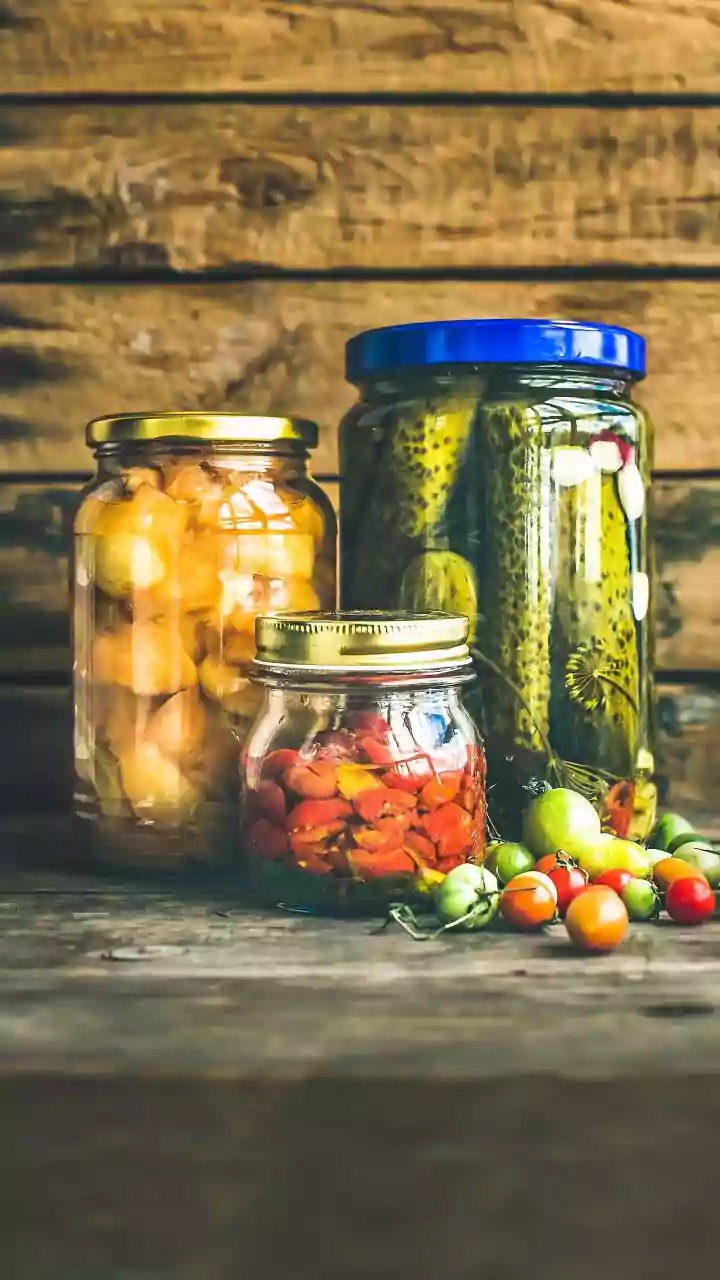
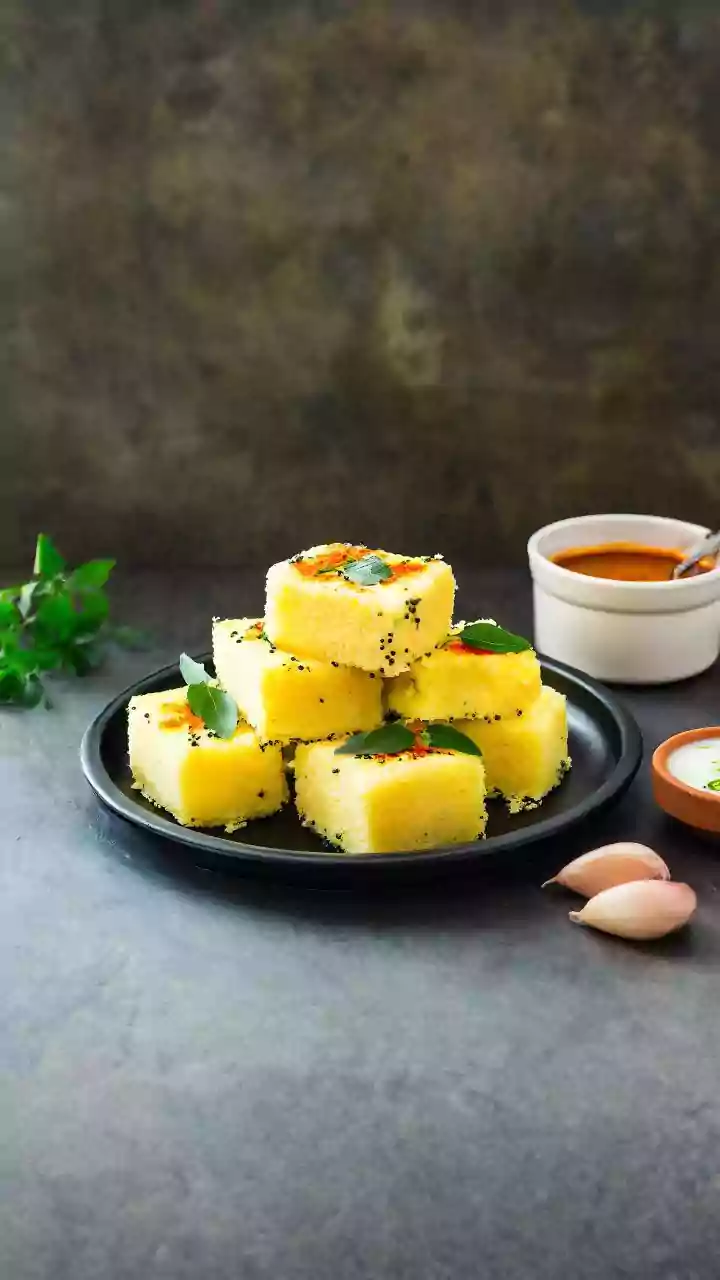
The Indian culinary tradition is rich with probiotic foods that are now being celebrated for their gut-balancing properties. Probiotics, the beneficial bacteria that support a healthy digestive system, are crucial for mitigating the effects of heavy, sugary festive meals. Incorporating staples like dahi (yogurt), whether as a side dish or in raita, is an easy way to boost your intake. Fermented foods like idli, dosa, and dhokla are not only delicious but also easy to digest and excellent for gut health. A glass of buttermilk soothes the stomach and can aid in digesting a rich meal, making it a perfect festive drink.
Practices That Go Beyond the Plate
Mindful eating is as much about how you eat as what you eat. Overeating is a primary cause of festive indigestion, so practising portion control is key. Using smaller plates and chewing food thoroughly allows your brain to register fullness, preventing you from feeling stuffed. Staying hydrated throughout the day is also crucial, as the body can sometimes mistake thirst for hunger. Furthermore, gentle movement, like a short walk after a meal, can significantly aid digestion and reduce bloating. Avoiding the temptation to skip meals to 'save calories' for a big feast is also important, as this often leads to overindulgence later.
From Festive Habit to Everyday Lifestyle
The conscious choices made during festivals are proving to be more than just a temporary fix. Many find that the benefits of mindful eating—more energy, less discomfort, and a better mood—are too good to leave behind once the celebrations end. The strategies adopted for festive comfort, such as incorporating more fibre, choosing whole foods, and prioritising hydration, are seamlessly transitioning into daily routines. This integration fosters a healthier long-term relationship with food, where every meal, not just a festive one, is an opportunity to nourish the body and support gut health. The mindful festive plate is becoming a template for everyday well-being.