


Your Foundation: Pots and Soil
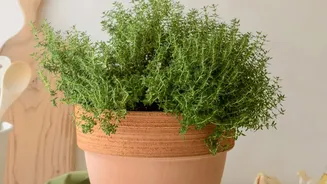
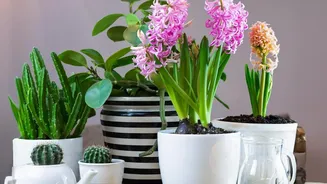
The secret to successful container gardening begins with the right home for your plants. For Tulsi, mint, and coriander, choose pots that are at least 8 to 12 inches deep and have suitable drainage holes at the bottom. Terracotta pots are an excellent
choice as their porous nature helps prevent waterlogging, a common issue for indoor herbs. When it comes to soil, these herbs are not overly fussy but thrive in a light, well-draining potting mix. A quality commercial mix works well, or you can create your own by blending regular potting soil with cocopeat (for moisture retention and aeration) and a handful of compost or vermicompost for nutrition. Avoid using dense garden soil on its own, as it can compact and suffocate the roots.
Growing Tulsi (Holy Basil)
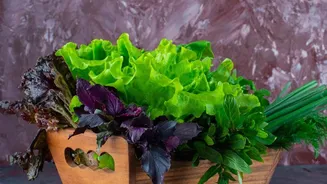
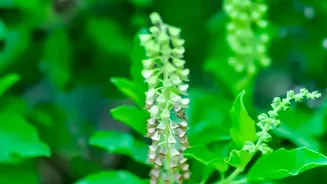
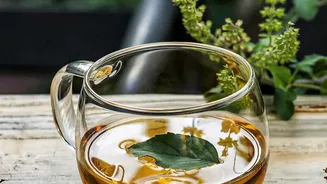
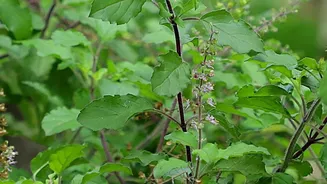
Revered in Indian households, Tulsi is surprisingly easy to grow indoors. It is a sun-loving plant and requires at least five to six hours of direct sunlight daily to flourish. A south or east-facing windowsill is ideal. You can start from seeds or, for a faster result, use a 4 to 6-inch cutting from a healthy plant. If using a cutting, place it in a glass of water until roots develop, which typically takes one to two weeks, before planting it in soil. Water your Tulsi plant when the top inch of the soil feels dry to the touch. To encourage a bushier plant, pinch off the tops and remove any flower buds as they appear. This directs the plant's energy into producing more lush, aromatic leaves.
Mastering Mint (Pudina)
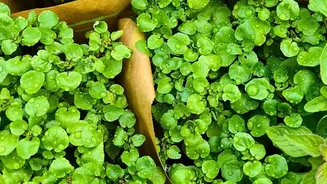
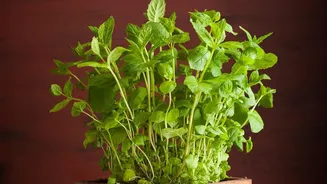
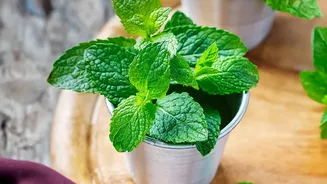
Mint is famously vigorous and one of the easiest herbs to grow in a pot. In fact, containing it in a pot is recommended to prevent its runners from taking over your garden. Mint prefers a spot with bright, indirect light, such as an east-facing window, though it can tolerate less light than many other herbs. Starting from a cutting is often more reliable than seed. Simply place a stem cutting in water, and it will root within a week or two. Mint likes consistently moist soil, but not soggy conditions, so water it whenever the top layer feels dry. Rotate the pot weekly to prevent the plant from leaning towards the light. Regular harvesting is key; pinching off the top leaves encourages the plant to grow fuller and more productive.
Cultivating Coriander (Dhania)
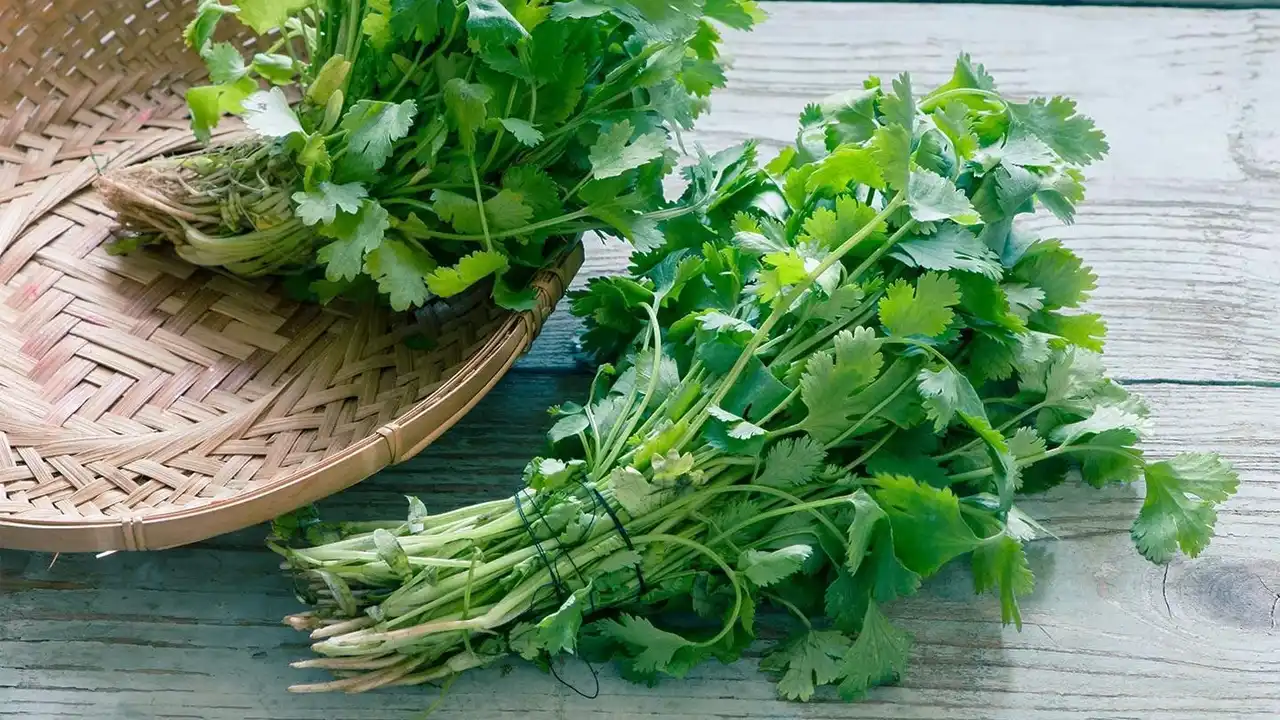
Fresh coriander, or dhaniya, is a staple garnish in Indian cuisine, and having it on hand is a game-changer. Coriander is best grown from seed. For better germination, you can gently crush the whole seeds into two halves before sowing. Plant the seeds about a centimetre deep in your pot. Coriander prefers cooler weather and can be grown through the winter in many parts of India. It needs a sunny spot but can benefit from some shade during the hottest part of the day to prevent it from 'bolting' (flowering prematurely). Keep the soil consistently moist, as dry soil is a primary cause of bolting. You can start harvesting the outer leaves once the plant is established, which allows the inner leaves to continue growing for a continuous supply.
Winter Care and Harvesting
Growing herbs indoors during winter requires a few adjustments. Plant growth will naturally slow down, so you'll need to water less frequently than in the summer. Always check the soil moisture before watering. Because heated indoor air can be dry, you can increase humidity around your plants by misting the leaves lightly or placing the pots on a tray filled with pebbles and a little water. Harvest your herbs regularly but lightly. Taking small cuttings encourages new growth without stressing the plant during its slower winter phase. This steady, gentle harvesting ensures you have a fresh, flavourful supply for your kitchen right through the season.