





The Social Media Buzz Begins
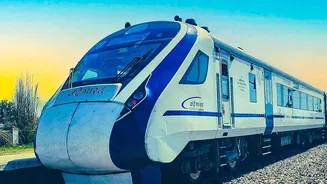
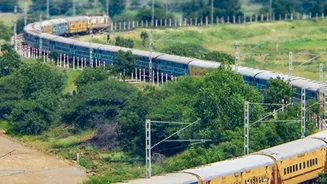
The Bengaluru-Madgaon Vande Bharat Express has quickly become a topic of conversation, not just for its scenic journey through the Western Ghats but for its onboard dining. Almost immediately after its inaugural run, passengers began posting photos and videos,
turning platforms like X (formerly Twitter) and YouTube into a real-time suggestion box for Indian Railways. The feedback has been a mixed bag, ranging from glowing reviews to sharp criticism, highlighting just how much the meal experience matters to the modern traveller.
Praise for the Inaugural Spread
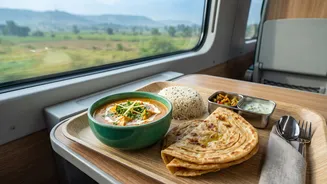
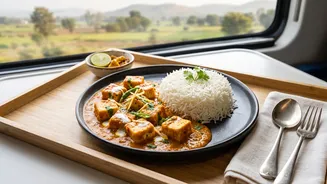
Initial reports, particularly from the train's inaugural journey, were overwhelmingly positive. The catering, handled by the popular South Indian restaurant chain Adyar Ananda Bhavan (A2B), earned praise from numerous vloggers and passengers. The vegetarian meal included items like paneer curry, puran poli (a sweet flatbread), rice, and various vegetable preparations. One vlogger's video, which went viral, featured a fellow passenger declaring the paneer curry 'the best'. Many lauded the quality of the rice, comparing it favourably to home-cooked South Indian meals. This positive first impression set a high bar, with passengers expressing hope that the same standard would be maintained on regular commercial runs.
A Different Story on Other Routes
However, the conversation around Vande Bharat's food isn't universally positive. Experiences on other routes paint a more complex picture. Passengers on different Vande Bharat trains have lodged complaints ranging from oily food to stale or cold meals. One passenger on a Mumbai-bound Vande Bharat from Goa described the food as 'pathetic', citing 'stone hard paneer' and 'cold, stale salty dal'. In another instance on a Secunderabad-Visakhapatnam train, a video showing a passenger squeezing a large amount of oil from a vada went viral, prompting an immediate response from IRCTC. These incidents highlight a potential gap between the special service on an inaugural run and the day-to-day operational quality across the network.
IRCTC's Response and Quality Control
Indian Railways and IRCTC have shown they are listening to this social media feedback, often responding directly to complaints online. When issues are raised, the official 'Railway Seva' and IRCTC accounts typically ask for travel details to take corrective measures. In more serious cases, action has been swift. Following complaints of stale food on one route, IRCTC imposed a fine of ₹25,000 on the licensee. In another widely reported incident involving poor quality curd on a Vande Bharat train, Railways fined IRCTC and the onboard supplier heavily, demonstrating a commitment to accountability. IRCTC has also publicly detailed its quality control measures, which include AI-powered surveillance of base kitchens and regular lab testing of food samples, to counter claims of poor standards.
The Verdict: A Tale of Two Experiences
The online discussion about Vande Bharat's food reveals a dual reality. On one hand, there is the premium, well-received experience, exemplified by the Bengaluru-Goa inaugural service, which showcased thoughtful menus and quality ingredients. On the other hand, there are recurring complaints about quality and consistency on other routes, which damage the brand's premium image. This feedback loop is a powerful tool. While many travellers feel the food is decent for the price, others argue that a premium train fare should guarantee a premium meal. The hope among passengers is that the positive examples, like the A2B-catered meals, become the standard across the entire Vande Bharat network, not just a one-off for a special occasion.