




Essential Monsoon Gardening Tips
Before you start planting, success in a monsoon garden comes down to one key factor: managing water. While the rain is a blessing, waterlogging can lead to root rot and fungal diseases. Prepare your garden by ensuring excellent drainage. If you're using
pots, make sure they have plenty of holes. For ground patches, consider creating raised beds by mounding soil about 6-8 inches high. Mixing coco peat and compost into your soil will improve its structure, helping it retain moisture without becoming swampy. This preparation is the foundation for a healthy, thriving rainy season harvest.
1. Okra (Bhindi)
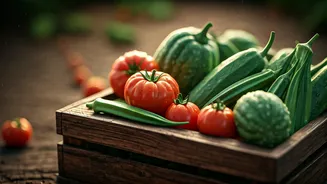
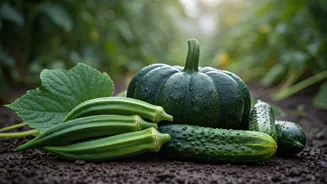
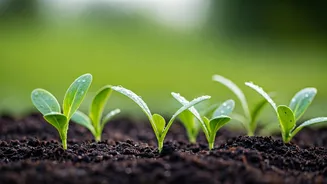
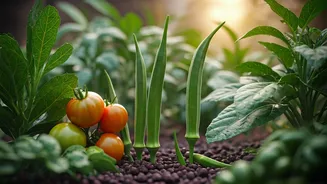
Okra, or bhindi, is a quintessential monsoon crop that thrives in the heat and humidity. It’s a relatively low-maintenance vegetable and one of the most reliable producers during this season. Plant the seeds directly into your prepared soil, and you'll see them sprout quickly. Okra plants are susceptible to pests like aphids, so keep a close eye on them and use a simple neem oil spray if needed. The joy of harvesting your own tender, fresh bhindi for curries and stir-fries is well worth the minimal effort.
2. Gourd Varieties (Lauki, Turai)
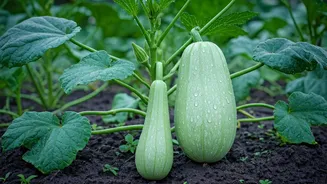
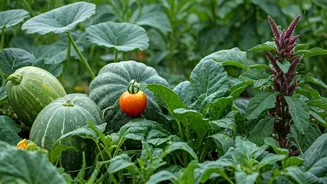
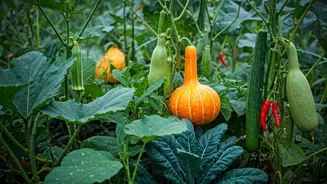
The gourd family is a star of the monsoon garden. Bottle gourd (lauki), ridge gourd (turai), and sponge gourd (gilki) grow vigorously with the available moisture. These are climbing vines, so they require a sturdy trellis or support structure. This is actually an advantage, as it keeps the leaves and fruit off the wet ground, improving air circulation and reducing the risk of rot and mildew. Their large leaves create a beautiful green canopy, making them as ornamental as they are productive.
3. Beans (Sem Phali)
Both bush beans and climbing (pole) beans are fantastic choices for the rainy season. They grow rapidly and start producing pods in just a couple of months. An added benefit is that beans are legumes, meaning they fix nitrogen in the soil, improving its fertility for future crops. Plant seeds directly in a sunny spot with well-draining soil. For climbing varieties, provide a trellis or strings for them to grab onto. They are relatively pest-resistant and a great choice for beginner gardeners.
4. Cucumber (Kheera)
Nothing beats the taste of a crisp, homegrown cucumber. Many varieties flourish during the monsoon, as they love consistent water. Like gourds, they are vines that benefit from being grown vertically on a trellis. This ensures the fruits don't sit on damp soil, which can cause them to yellow and rot. Good air circulation is crucial to prevent powdery mildew, a common issue in humid conditions. Choose disease-resistant varieties if they are available at your local nursery.
5. Brinjal (Baingan)
Brinjal is a staple in Indian cuisine and a versatile plant for the home garden. While it can be grown year-round in many parts of India, it does particularly well when planted at the start of the monsoon. The plants love the warmth and regular watering provided by the season. Ensure you plant them in a spot that receives at least 5-6 hours of sunlight. Use stakes to support the plants as they grow taller and begin to bear heavy fruit. Look out for common pests like fruit and shoot borers.
6. Leafy Greens (Palak, Amaranth)
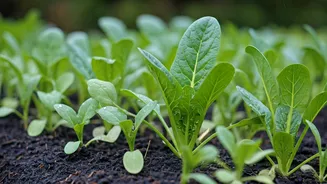
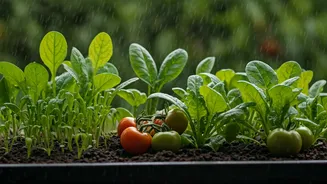
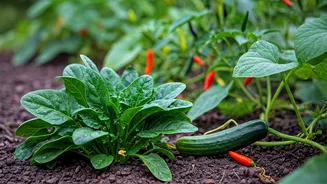
While delicate lettuce might struggle, hardier leafy greens like spinach (palak) and amaranth (chaulai) can do very well. The key is to ensure they are not in a waterlogged area. Growing them in containers or on raised beds is ideal. These greens grow fast, and you can often get multiple harvests from the same plants by using the 'cut and come again' method—trimming the outer leaves and allowing the centre to continue growing. They are a fantastic way to get fresh, nutritious greens straight from your garden.