






What is Monsoon Withdrawal?
Monsoon withdrawal isn't like flipping a switch; it's a gradual, week-long process. The India Meteorological Department (IMD) has specific criteria for declaring it, including a significant reduction in rainfall for five straight days and a change in wind
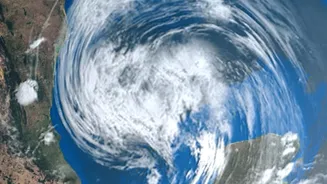
patterns. While satellite images on September 8th showed strikingly clear skies over northwest and central India, the formal withdrawal process has not yet been officially declared. Forecasters expect conditions to become favourable for the retreat to begin from northwest India after September 15. This retreat starts in states like Rajasthan and slowly moves southeast across the country over several weeks. This means that while northern regions may enter a dry, post-monsoon phase, southern and eastern states could still be experiencing rainy conditions on the same day.
An End to the Great Laundry Struggle
For months, drying clothes has been a national sport of strategic planning and hoping for a sliver of sunshine. The withdrawal brings welcome relief. As the moisture-laden southwest winds retreat, they are replaced by drier air. This drop in humidity, combined with more frequent sunshine, means your laundry will finally dry quickly and without that persistent damp smell. However, don't put away your clothesline pegs in overconfidence just yet. The withdrawal process can be erratic, and occasional post-monsoon showers can still catch you by surprise, especially in the early weeks of the transition. It's wise to keep an eye on local forecasts before hanging out a large load.
A Golden Window for Travel Opens
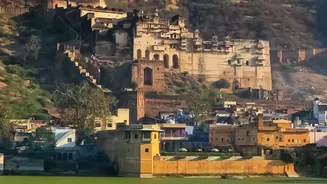
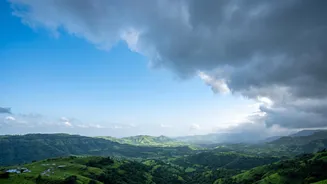
The post-monsoon period, typically from October to November, is widely considered one of the best times to travel in India. The rains wash the dust from the air, leaving behind crisp, clear skies and vibrant green landscapes. Waterfalls are at their peak volume, and the weather is pleasantly cool without being cold. This makes it a perfect time for photography and visiting scenic destinations from the mountains of Uttarakhand to the heritage sites of Hampi. However, caution is still advised. Heavy monsoon rains can leave roads and trails damaged or slippery for weeks. Landslides can remain a risk in hilly areas even after the rain stops, so it's crucial to check local conditions and advisories before heading out, especially on mountain routes.
Shifts in Health, Habits, and Agriculture
The end of the monsoon impacts more than just your wardrobe and travel plans. Health concerns often shift; while the risk of water-borne and mosquito-transmitted diseases like dengue may decrease as stagnant water dries up, the changing season can bring a rise in viral coughs and colds. On the agricultural front, September rainfall is critical for determining the moisture in the soil, which is essential for the planting of winter crops like wheat and chickpeas. For many, the withdrawal is simply a psychological relief—a return to easier commutes, more outdoor activities, and the simple joy of not having to carry an umbrella everywhere. It marks a transition towards the festive and pleasant winter season.
Is the Rain Really Over?
It's important to remember that the monsoon's retreat is a staggered affair. The complete withdrawal from the entire country, including the southern peninsula, often takes until mid-October. Furthermore, the end of the southwest monsoon doesn't mean the end of all rain for everyone. The southern states, particularly Tamil Nadu and coastal Andhra Pradesh, receive significant rainfall during the Northeast Monsoon, which typically occurs from October to December. Weather patterns have also become more erratic in recent years, with the possibility of cyclonic systems forming in the Bay of Bengal and Arabian Sea after the main monsoon season, bringing sudden, heavy rainfall to coastal areas.