




The Reality of a Rainy Getaway
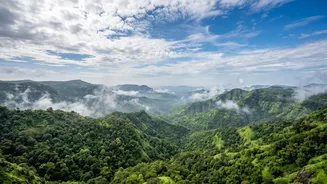
The monsoon transforms India into a lush, green paradise, making it a beautiful time to travel. Fewer tourists often mean lower prices for flights and hotels, creating opportunities for more affordable and authentic experiences. However, the season also
brings tangible challenges. Unpredictable downpours can lead to flight delays, waterlogged roads, and even landslides, particularly in hilly regions. Access to certain attractions may be restricted, and activities like trekking or safaris might be cancelled for safety. Health risks also increase, with the humidity creating breeding grounds for mosquitoes and water-borne diseases. This doesn't mean you should cancel your plans, but it does mean that a spontaneous trip can quickly become a logistical nightmare.
Booking Smart: The Planner's Advantage
While some data shows a rise in spontaneous monsoon trips, planning ahead remains the smartest strategy for a stress-free holiday. The monsoon is typically an off-season for many destinations, leading to significant discounts on accommodation, with some luxury properties slashing rates by as much as 50%. By booking in advance, you not only lock in these lower prices but also secure your first choice of stay, as the best and safest-rated properties can still fill up. Early bookings for trains and flights also guarantee availability and better prices. Having your main logistics sorted allows for a clear budget and reduces the uncertainty that can come with last-minute travel in unpredictable weather.
Packing for Predictable Unpredictability
A prepared traveller's best tool is a well-thought-out packing list. During the monsoon, fabric choice is critical. Avoid cotton, which absorbs moisture and takes ages to dry in high humidity. Instead, opt for quick-drying synthetic fabrics for clothes and underwear. Key essentials include a reliable waterproof jacket or poncho, as wind can make umbrellas useless. Waterproof footwear with good grip, like trekking sandals, is a must for navigating wet and muddy terrain. To protect your valuables, use dry bags or zip-lock pouches for electronics and important documents. Other crucial items include a quick-dry microfibre towel, insect repellent containing DEET, anti-fungal powder, and a basic first-aid kit.
Building a Flexible Itinerary
One of the biggest mistakes travellers make is packing their itinerary too tightly. Monsoon weather demands flexibility. Delays are common, whether due to flooded roads or rescheduled transport. A smart itinerary includes buffer days, especially when travelling in mountainous regions or relying on a single transport connection. Plan for both outdoor and indoor activities. If a morning trek gets rained out, have a backup plan like visiting a local museum, trying a cooking class, or relaxing at a cafe. Choosing your destination wisely is also part of planning. Some regions, like the Western Ghats (Coorg, Lonavala, Mahabaleshwar) or parts of Rajasthan, are at their most beautiful during the monsoon, whereas others might become inaccessible.
Prioritising Health and Safety
Spontaneity can lead to unnecessary risks during the monsoon. Water contamination is a serious concern, so it's wise to avoid street food that may have been exposed to unclean water and to drink only bottled or purified water. Carry a kit with any personal medications, as well as basics like pain relievers and treatments for stomach issues. Driving, especially at night or on unfamiliar mountain roads, is more hazardous in the rain due to reduced visibility and the risk of landslides. Before setting out each day, check local weather forecasts and road conditions. A planned trip allows you to research and choose destinations with reliable infrastructure and a lower history of weather-related disruptions, ensuring your adventure is memorable for the right reasons.