
The Hidden Cost of Fabric
Before diving into the creative possibilities, it’s helpful to understand why upcycling matters so much. The textile industry is one of the largest in India, but it also generates millions of tonnes of waste annually. From manufacturing scraps to post-consumer
garments, a staggering amount of fabric ends up in landfills, where it can contribute to pollution. Fast fashion has only accelerated this issue. By choosing to upcycle, you are not just making a style statement; you are actively participating in a solution, reducing landfill waste and conserving the precious resources like water and energy used to create new fabrics.
Upcycling: Where Creativity Meets Sustainability
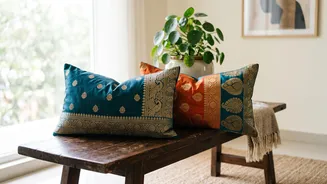
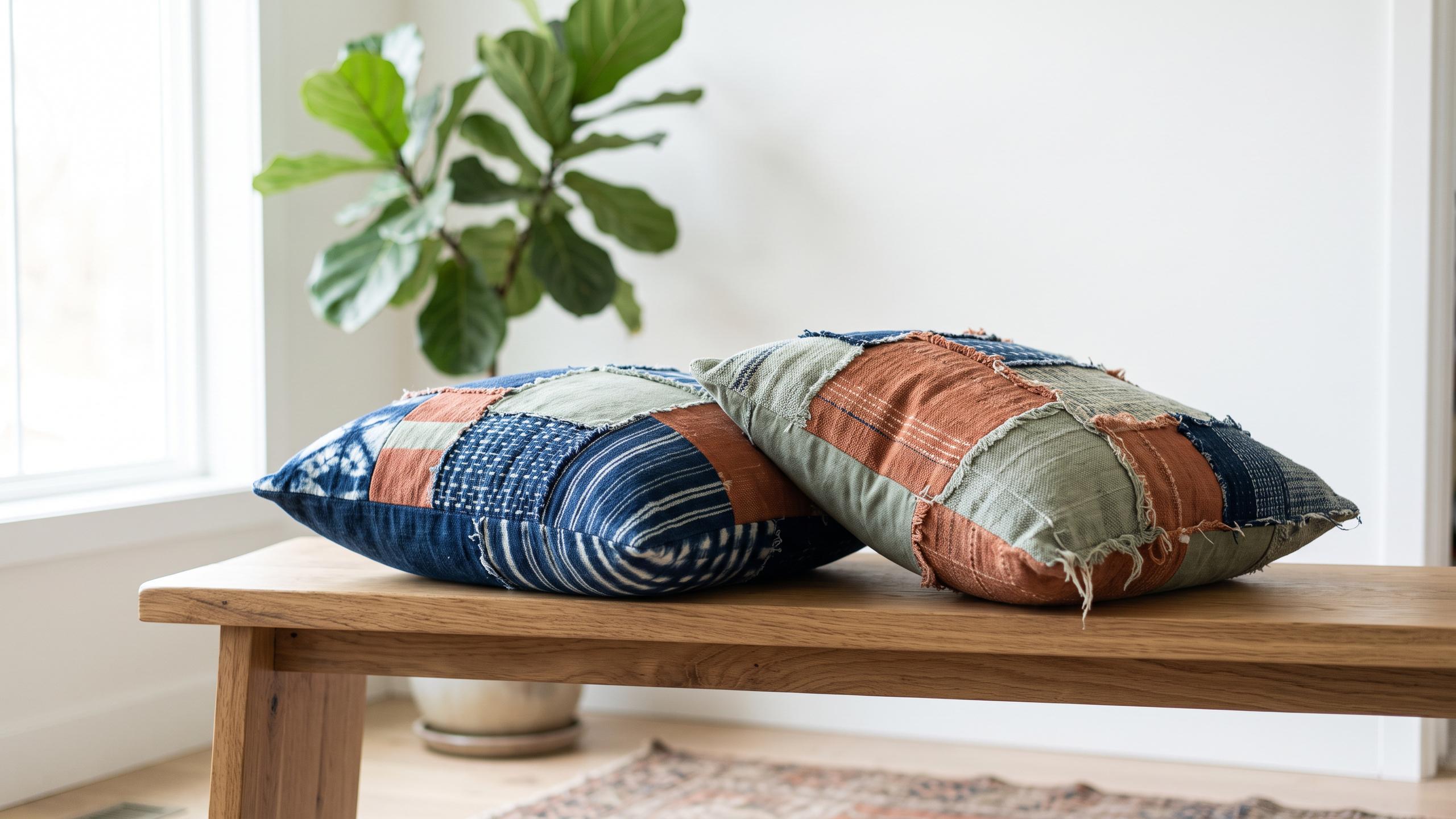
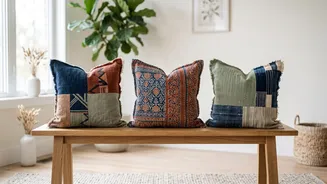
Upcycling is the art of taking something old or discarded and transforming it into something new of higher value and purpose. Unlike recycling, which often breaks materials down and requires significant energy, upcycling is a creative process that you can do right at home. It’s about seeing the potential in what you already have. An old silk saree isn’t just a garment; it’s the raw material for a stunning set of cushion covers. A pile of old cotton t-shirts can be braided into a colourful, durable rug. This approach is a cornerstone of sustainable living trends in India, where there's a growing desire for homes that are both eco-friendly and deeply personal.
Ideas to Transform Your Living Room
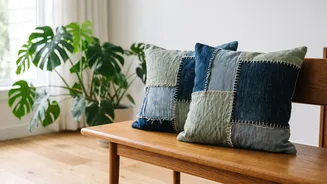
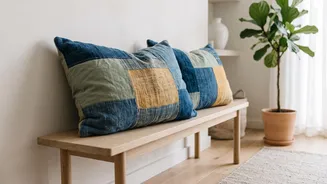
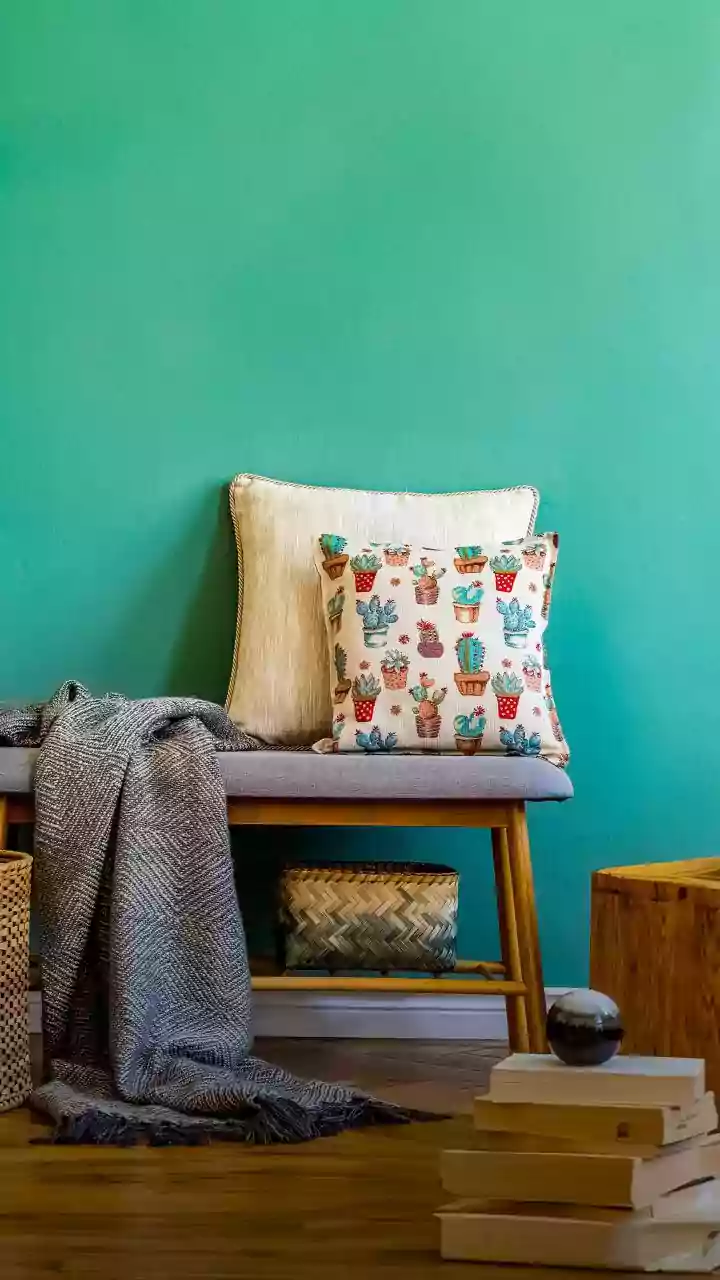
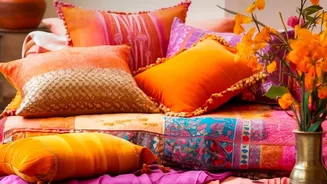
Ready to turn your textile clutter into chic decor? Here are some popular and accessible ideas to get you started: Cushion Covers and Throws: This is the perfect entry point into textile upcycling. Old sarees with beautiful borders, embroidered dupattas, or even soft cotton sheets can be sewn into unique cushion covers. A patchwork throw made from mismatched fabric scraps can add a cosy, bohemian feel to your sofa. Rugs and Mats: Don't underestimate old t-shirts, jeans, and towels. By cutting them into strips, you can braid, weave, or crochet them into vibrant and surprisingly sturdy rag rugs. Denim, in particular, is excellent for high-traffic areas. Wall Art and Hangings: Have a piece of fabric with a pattern you just love? Frame it! A beautifully patterned textile can become a sophisticated piece of wall art. You can also weave different fabric strips into a textured wall hanging for a modern, artistic touch. Functional Decor: Think beyond the purely decorative. Old curtains can be repurposed into table runners. Fabric scraps can be sewn into storage baskets for magazines or remote controls. You can even create draft stoppers for doors from old jeans or towels, a practical and eco-friendly solution.
Getting Started on Your Upcycling Journey
You don't need to be a professional tailor to start upcycling. Many projects require minimal or even no sewing skills, relying instead on fabric glue or clever knotting techniques. Start by auditing your own home for unused textiles—think old clothes, bed linens, towels, and curtains. Wash and iron the fabrics before you begin. Sort them by material type and colour to make project planning easier. If you need more variety, local thrift stores or flea markets are fantastic sources for affordable, interesting textiles. The most important tool is your creativity. Look at each piece not for what it was, but for what it could become.