






The Reality of Urban Indian Living
In cities across India, from Mumbai to Bengaluru, shrinking apartment sizes and rising real estate costs are a daily reality. This urban squeeze has shifted design priorities. While a home that mirrors a social media feed is appealing, the practical demands
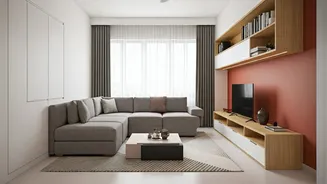
of a modern Indian household often take precedence. Many homes accommodate multi-generational families, visiting relatives, and the cherished traditions of hospitality. A living room isn't just for show; it's often a makeshift guest room, a children's play area, and a space for daily family gatherings. This requires furniture and layouts that are flexible, durable, and, above all, functional. The focus is moving away from purely decorative choices to a mindset that asks: how can this space work harder for us?
Decluttering: The First Step to Sanity
Before any new furniture is bought or a single wall is painted, the most crucial step is decluttering. Indian homes often accumulate items tied to memories, traditions, and gifts. While emotionally valuable, this can lead to physical clutter that creates mental chaos. Experts suggest that decluttering isn't about disrespecting heirlooms, but about honouring what serves your present life. A simple rule is to assess items you haven't used in a year; chances are, you don't need them taking up precious space. Starting small, perhaps with a single drawer or shelf, makes the process less overwhelming. Creating systems for organisation and clearing surfaces daily can transform a home's atmosphere, making it feel calmer and more spacious even before any design changes are made.
The Rise of Multi-Functional Furniture
The demand for furniture that does more than one job is surging in India. Multi-functional pieces are no longer seen as a compromise for small spaces but as an intelligent design choice for any home. Think of sofa-cum-beds that comfortably host overnight guests, extendable dining tables that can seat four for daily meals and eight for festive occasions, and ottomans that hide away toys and magazines. Storage beds with hydraulic lifts or built-in drawers are particularly revolutionary, turning the entire space under a mattress into a storage unit for bulky items like suitcases and seasonal quilts. By investing in these smart pieces, homeowners can maximize utility without sacrificing style, ensuring every square foot earns its keep.
Smart Storage and Vertical Thinking
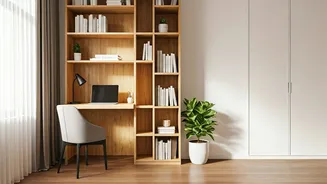
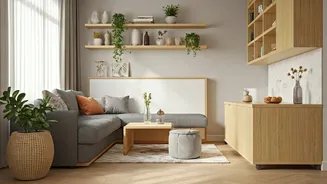
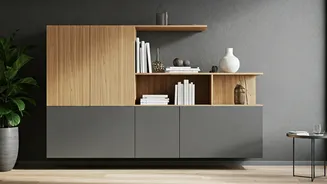
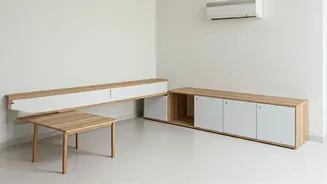
When floor space is limited, the only way to go is up. Vertical storage is a key principle in functional home design. This means utilizing wall space with floating shelves, tall cabinets that reach the ceiling, and modular units that can be configured to fit specific needs. A well-planned modular kitchen, for example, can make even a compact cooking area highly efficient with full-height cabinets and clever drawer inserts. The goal is to keep daily-use items accessible while stowing away less-used ones neatly. This approach helps maintain clear, clutter-free countertops and floors, which instantly makes a room feel larger and more organised.
Planning Your Functional Foundation
A beautiful home that doesn't work for its inhabitants is merely a set piece. True interior design should solve problems, not just create pretty pictures. Before you even think about colour palettes or decorative items, conduct a 'functional audit' of your home. Consider your family's daily routines. Where does clutter accumulate? Which rooms need to serve multiple purposes? What are your biggest storage challenges? Answering these questions first will provide a clear blueprint for your design. This function-first approach ensures that the end result is not only aesthetically pleasing but also a space that supports and simplifies your daily life, making it a true sanctuary.