




Why Timing Your Fresh Air Matters
Modern homes are built to be airtight for energy efficiency, but this also means they trap pollutants inside. In fact, the air inside your home can be two to five times more polluted than the air outside. [1] These pollutants include Volatile Organic
Compounds (VOCs) from cleaning products and furniture, carbon dioxide from our own breath, and moisture from cooking and showering that can lead to mould. [1, 13] Regularly opening windows for even just 5-15 minutes a day is one of the most effective ways to flush out these accumulated contaminants and introduce healthier, fresh air. [1, 4]
For Cooling: The Morning and Evening Rule
To cool your home naturally, the best times to open your windows are early in the morning and late in the evening. [2, 5, 6] During these periods, the outdoor temperature is typically lower than the indoor temperature. By letting this cooler air in, you can reduce your reliance on air conditioning, leading to significant energy savings. [2] A key strategy is to open windows at night to 'flush' the heat out, then close them and your blinds before the sun gets strong in the morning to trap the cool air inside. [14, 20] However, be mindful of humidity; if it's over 60-65% outside, it's better to keep windows closed to prevent making your home feel sticky and forcing your AC to work harder later. [1, 24]
Mastering the Cross-Breeze
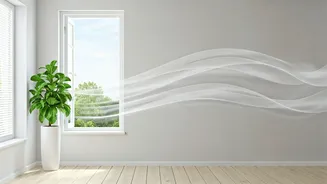
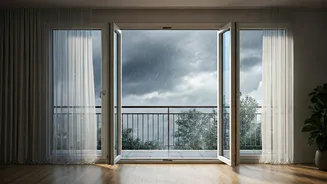
To supercharge your ventilation efforts, create a cross-breeze. This is achieved by opening windows on opposite sides of your home. [3, 9] This technique uses natural wind pressure to push stale air out and pull fresh air in, creating a consistent and effective airflow. [7] For multi-story homes, you can use the "stack effect" by opening windows on the lower level on the windward side and higher windows on the upper level on the opposite side; since hot air rises, this helps to efficiently exhaust warm air from the entire house. [7] You can enhance this effect by strategically placing fans near windows—one to pull cool air in and another to push hot air out. [1, 20]
After Specific Activities: Ventilate Immediately
Certain activities generate a high concentration of indoor pollutants and moisture. It's crucial to open windows immediately after cooking, especially when frying or using high heat, to clear out particles and fumes. [1] Running your kitchen's exhaust fan helps, but it's most effective when paired with an open window. [1, 19] Similarly, you should ventilate during and after showering to remove excess humidity and prevent mould growth. [13] Using cleaning products, painting, or bringing new furniture into the house are other times when opening windows is essential to clear out chemical fumes and VOCs. [1]
When to Keep Your Windows Shut
Knowing when not to open your windows is just as important. Always check the local Air Quality Index (AQI) before ventilating. [1] If there are high levels of pollution, such as from traffic during rush hour, wildfire smoke, or general smog advisories, keep windows closed to protect your indoor air. [12, 26] During peak pollen season, allergy sufferers may want to limit window opening, especially in the morning when counts can be highest. [1] Additionally, avoid opening windows during rainstorms to prevent moisture from entering and during extreme heatwaves, when the outside air is significantly hotter than the air inside your home. [5, 10]