


From Byproduct to Baking Gold
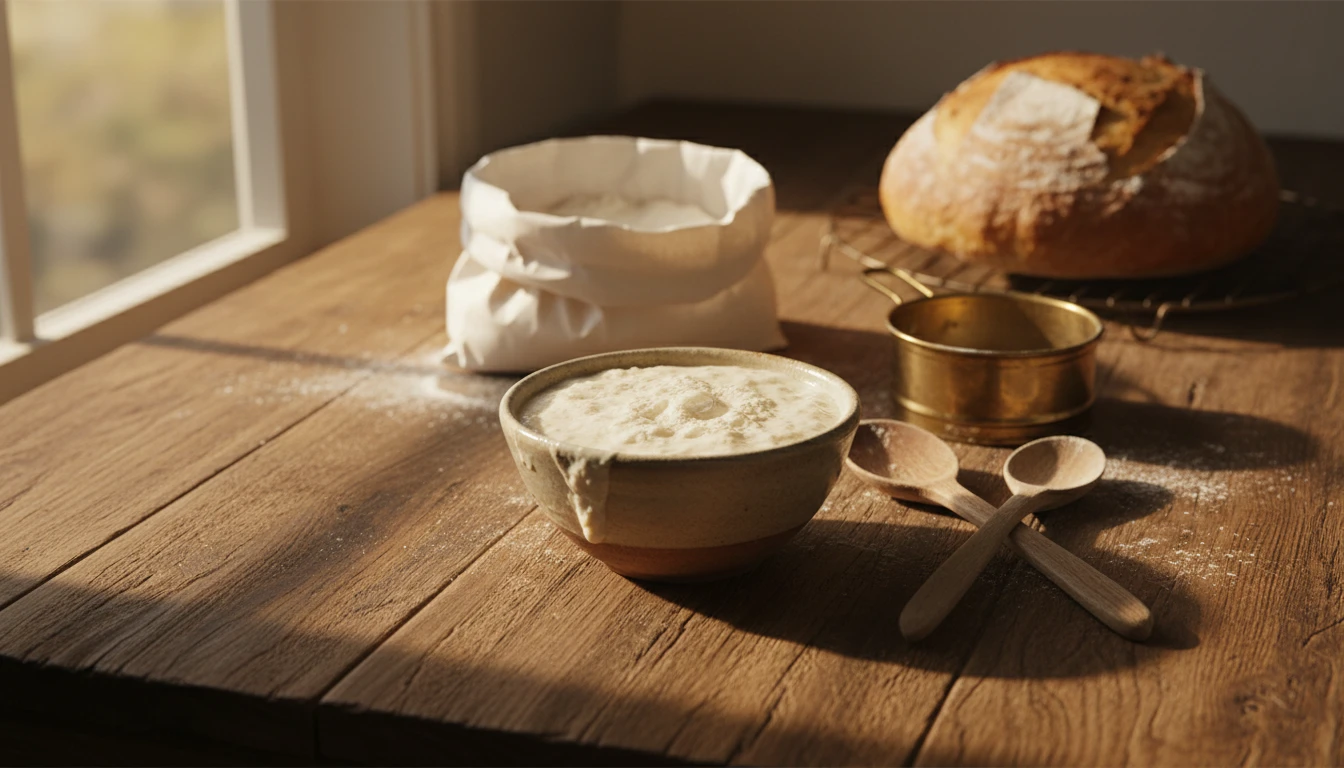
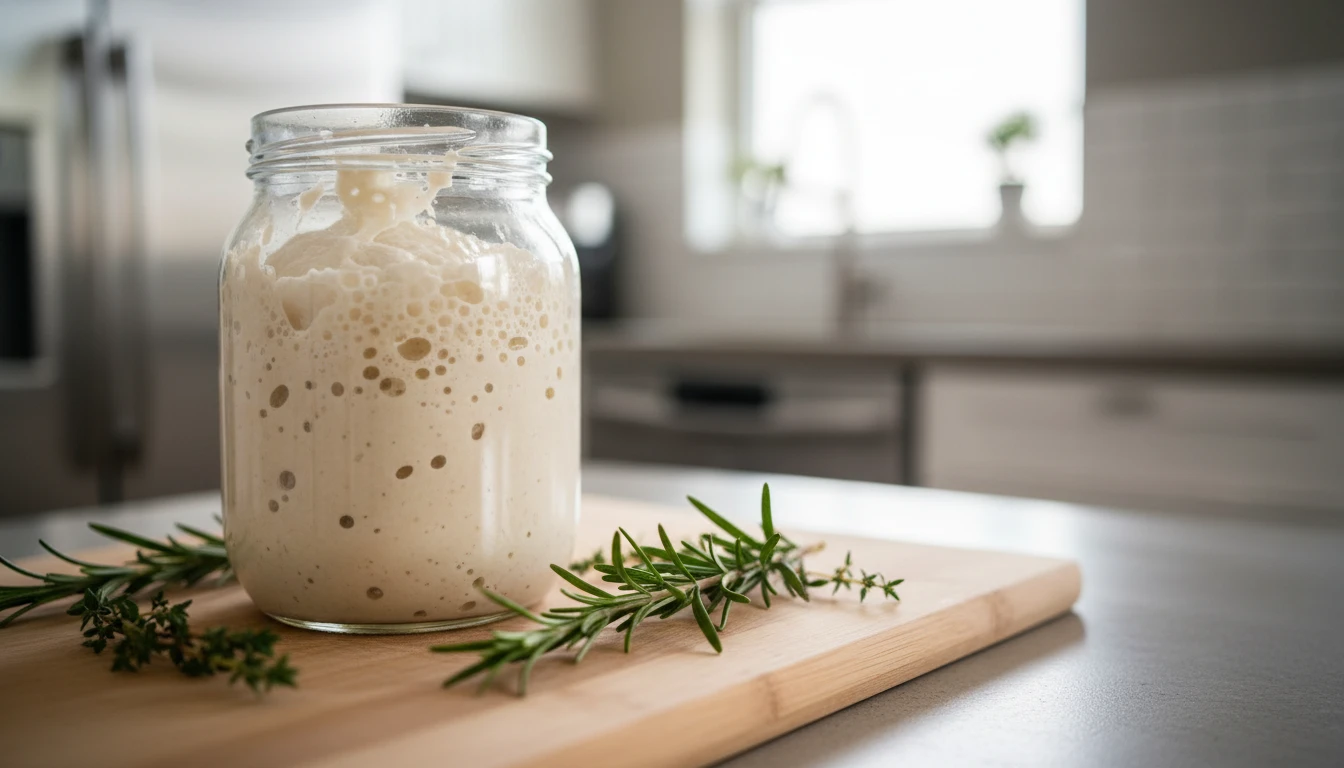
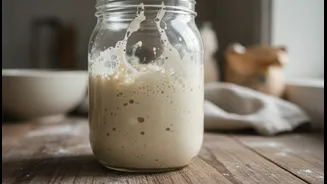
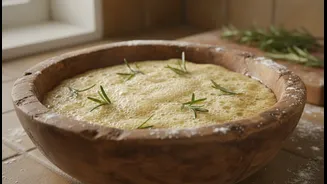
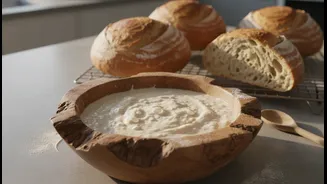
Anyone who has maintained a sourdough starter knows the routine: to keep the yeast culture healthy and active, you have to regularly remove a portion before 'feeding' it with fresh flour and water. This removed portion is known as the "discard." For years,
many bakers, true to the name, simply threw it away. But a growing movement is dedicated to saving this flavourful byproduct from the bin. Sourdough discard is an inactive starter, meaning it doesn't have the leavening power to make a loaf of bread rise on its own. However, it's packed with complex, tangy flavour developed during fermentation, making it a powerful secret ingredient. This shift in perspective turns what was once considered waste into a valuable kitchen asset.
The Rise of Zero-Waste Baking
The trend of using sourdough discard is deeply connected to the broader eco-conscious mindset taking hold in kitchens everywhere. For millennials in particular, sustainability is a significant factor in their food choices, with many actively seeking to reduce food waste. Using discard fits perfectly into a zero-waste philosophy, which aims to use ingredients to their fullest potential. Instead of tossing flour and water, cooks are transforming it into something new and delicious. This practice isn't just about being thrifty; it's a tangible way to make a small but meaningful environmental impact. By rethinking waste, these bakers are joining a larger movement towards more sustainable and responsible consumption, one pancake and cracker at a time.
Beyond Bread: A World of Possibilities
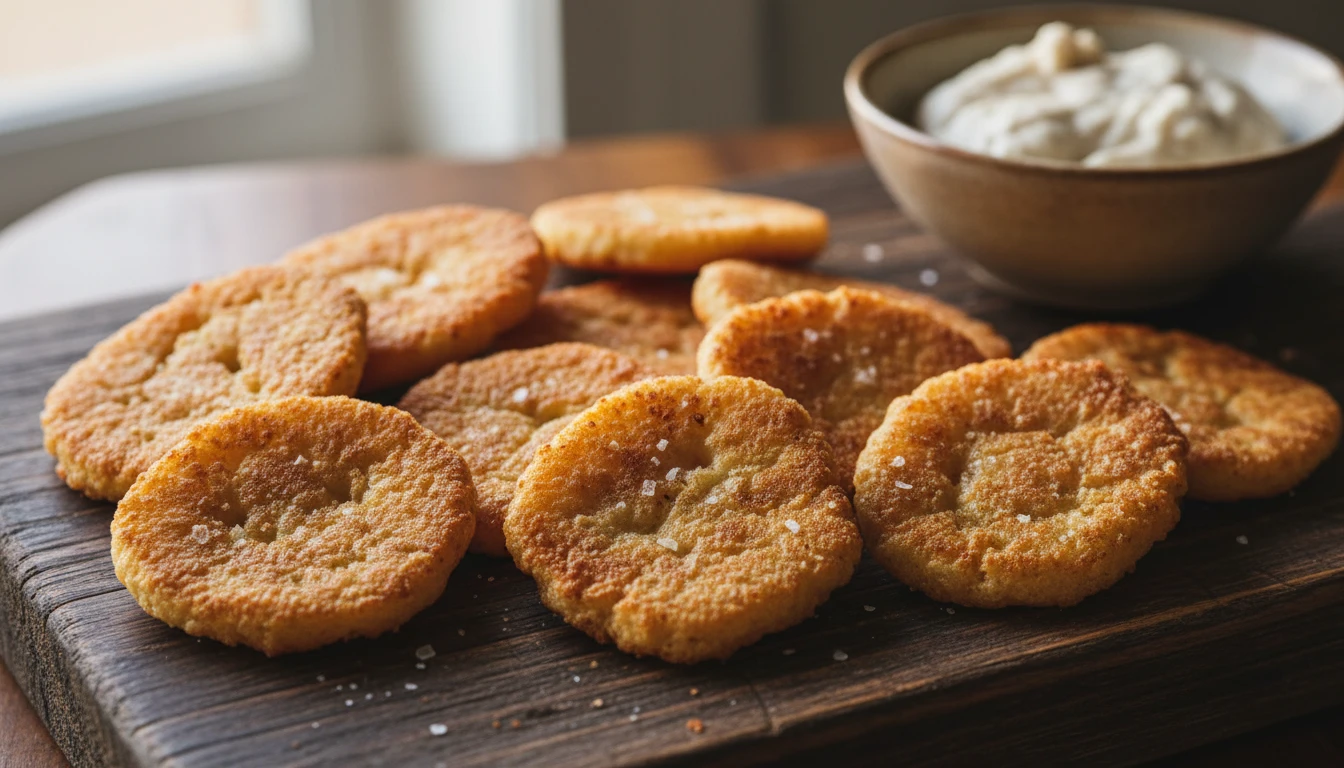
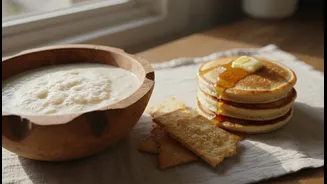
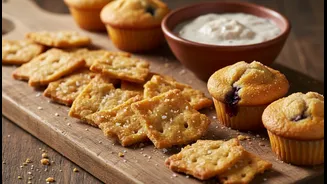
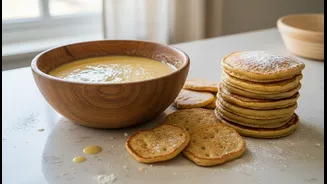
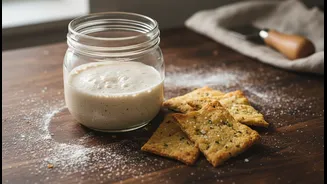
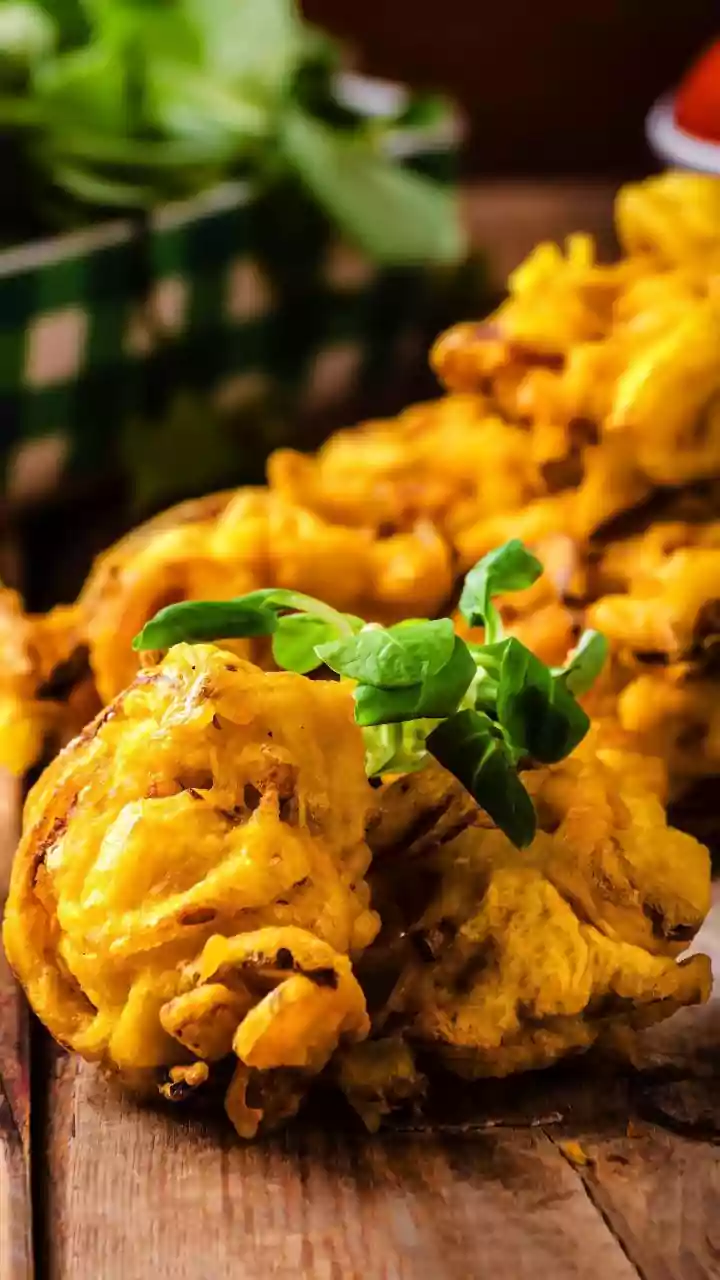
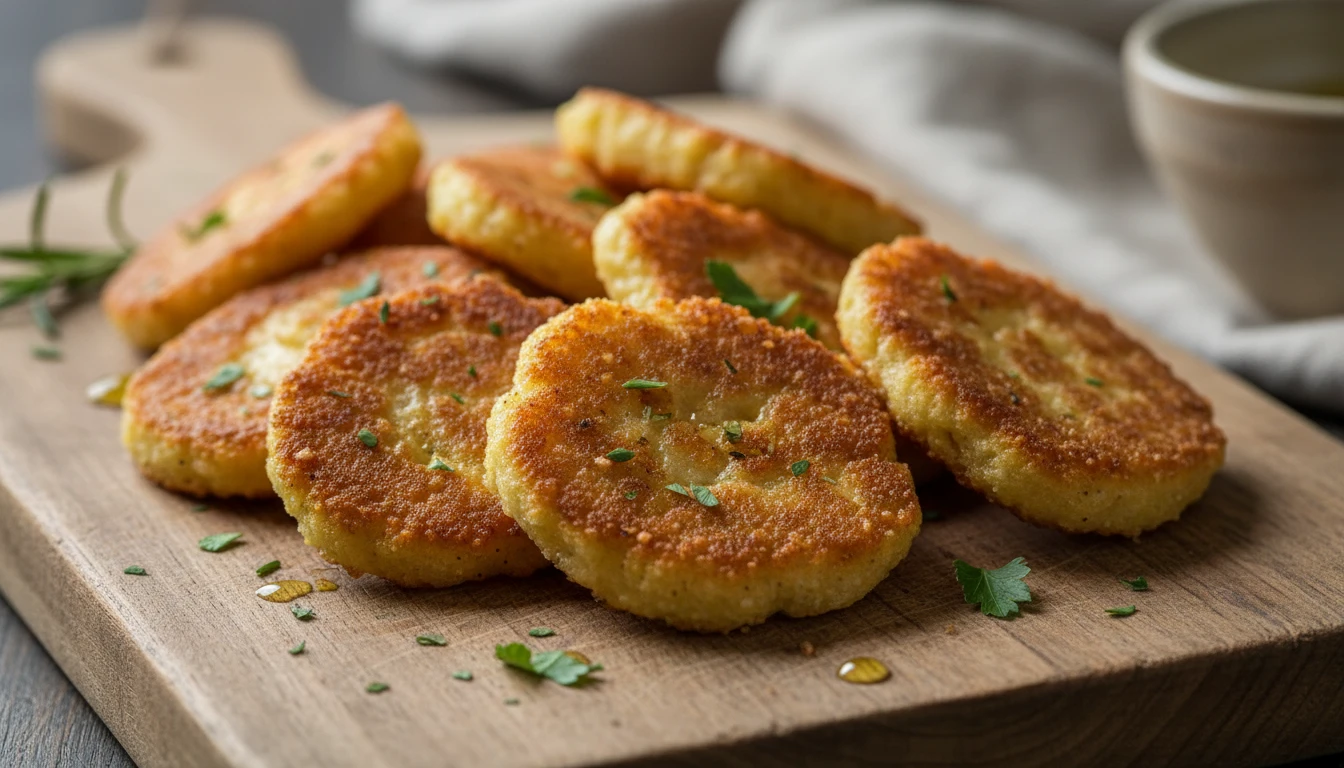
The true magic of sourdough discard lies in its incredible versatility. It can add a rich, tangy flavour and tender texture to a surprisingly wide array of recipes. Fluffy pancakes and crispy waffles are classic starting points for many, providing an instant and delicious return on investment. But the creativity doesn't stop there. Home cooks are using their discard to make everything from savoury crackers and pizza crusts to soft pretzels and flaky biscuits. On the sweet side, discard is being incorporated into brownies, cookies, muffins, and even rich chocolate cakes, where its acidity enhances the flavour much like buttermilk or coffee. Some are even using it to create batters for frying or as a base for granola. This culinary exploration proves that discard is far from a one-trick pony.
Why Now? The Millennial Appeal
Several factors have aligned to make sourdough discard a hero ingredient for today's urban millennial cooks. This generation, known for its passion for food and interest in new skills, has embraced home baking as both a hobby and a form of self-expression. Furthermore, millennials are digitally native, sharing their creations and discovering new ideas on platforms like Instagram and TikTok, which has helped propel the discard trend into the mainstream. A focus on health and wellness also plays a role; fermented foods are popular for their potential digestive benefits. Combined with a strong desire for ethical and sustainable consumption, using discard allows these cooks to align their actions with their values, turning a simple act of baking into a statement of resourcefulness and responsibility.
Getting Started With Your Discard
Ready to give your discard a new life? The process is simple. You can collect your discard in a dedicated jar in the refrigerator for up to a week or two. While some recipes benefit from a more recently fed, active starter, many of the most popular uses, like crackers, cookies, and pancakes, work perfectly with cold discard straight from the fridge. If you're new to this, start with a simple pancake or waffle recipe; it's a forgiving and rewarding way to experience the unique flavour it brings. From there, you can explore the vast world of discard recipes online. Don't be afraid to experiment. Thinking of discard as a flavour-enhancer, much like cream cheese or cultured butter, opens up a new frontier in your everyday baking.