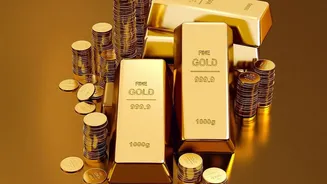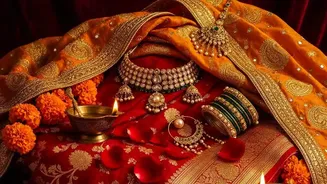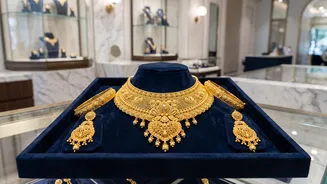





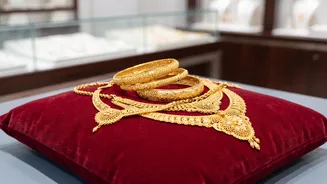

India's festive season glittered with exceptional fervor this year, as consumers bought a massive 52 tonnes of gold, worth approximately ₹72,000 crore, during the Dhanteras and Diwali period. But what’s behind this spectacular purchasing power?
A Golden Haul Confirmed
The India
Bullion and Jewellers Association (IBJA) confirmed the staggering figure, reporting that 52 tonnes of gold were sold during the recent festive window encompassing Dhanteras and Diwali. This represents a remarkable 30% increase in sales volume compared to the same period last year. The trade was part of a much larger retail boom, with the Confederation of All India Traders (CAIT) estimating total Dhanteras business across all sectors to have crossed ₹1.25 lakh crore. The impressive gold sales volume came as a welcome turnaround for the industry, which had seen sales drop by nearly 50% in the first half of the year.
The Key Driver: A Dip in Prices
A significant factor fueling this buying frenzy was a timely correction in gold prices. After hitting a peak of around ₹1.8 lakh per 10 grams in January 2026, prices softened to between ₹1.42 lakh and ₹1.49 lakh by Dhanteras in early November. This dip of roughly 21% from the year's high was the invitation many buyers were waiting for. Although prices were still about 10% higher than last year's festive season, the significant drop from the peak encouraged households that had delayed purchases to finally enter the showrooms. The timing of the festivals, falling early in the month when salaries and festive bonuses were disbursed, also provided healthy cash flow for enthusiastic shoppers.
Pent-Up Demand and Wedding Season Collide
This year's sales were also bolstered by significant pent-up demand. According to jewellers, many consumers had been holding back on purchases due to the previously high prices. The price correction unlocked this latent demand. Furthermore, the festive period coincided with the beginning of India's extensive wedding season, which runs from mid-November through March. Many families took advantage of the corrected prices to make advance bookings for bridal jewellery, adding another layer of demand to the festive rush.
Smarter Buying and Shifting Habits
While the overall volume was high, retailers noted a shift in consumer behaviour. Faced with prices that were still elevated compared to previous years, buyers became more strategic. Instead of forgoing purchases, many adapted by opting for lighter-weight designs. For instance, shoppers who might have previously bought 30-gram necklace sets were now choosing 12-gram pieces. There was also strong demand for 14-carat and 18-carat jewellery, which offers a more affordable entry point, especially among younger, urban buyers. The trend shows a market that is adapting to affordability challenges rather than retreating.
An Economic Barometer Shines Bright
Beyond the cultural significance, this level of spending is a powerful indicator of India's economic health. The robust sales volume signals renewed consumer confidence and suggests a greater availability of disposable income. This festive surge serves as a positive sign for a broader economic revival, reflecting a return of optimism among Indian households. While the World Gold Council had earlier projected a potentially subdued year for gold demand due to a weak monsoon and high prices, this festive performance offers a strong counter-narrative, at least for the final quarter. It underscores the deep-rooted cultural affinity for gold as both a cherished adornment and a trusted store of value, especially when market conditions become more favorable.