
The Green Season: Why the Monsoon Surge?
For years, the peak tourist season in Rajasthan has been the cooler, drier winter months. However, a new trend is emerging as travellers discover the state's lesser-known, greener side. The monsoon, typically from July to September, transforms the arid
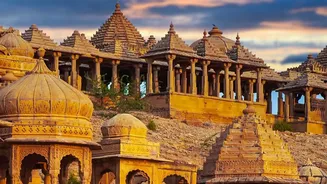
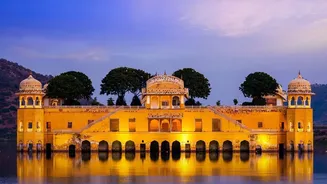
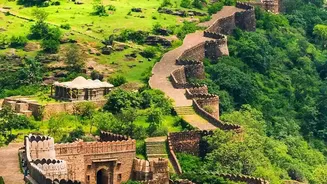
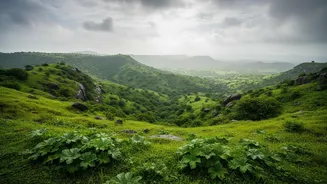
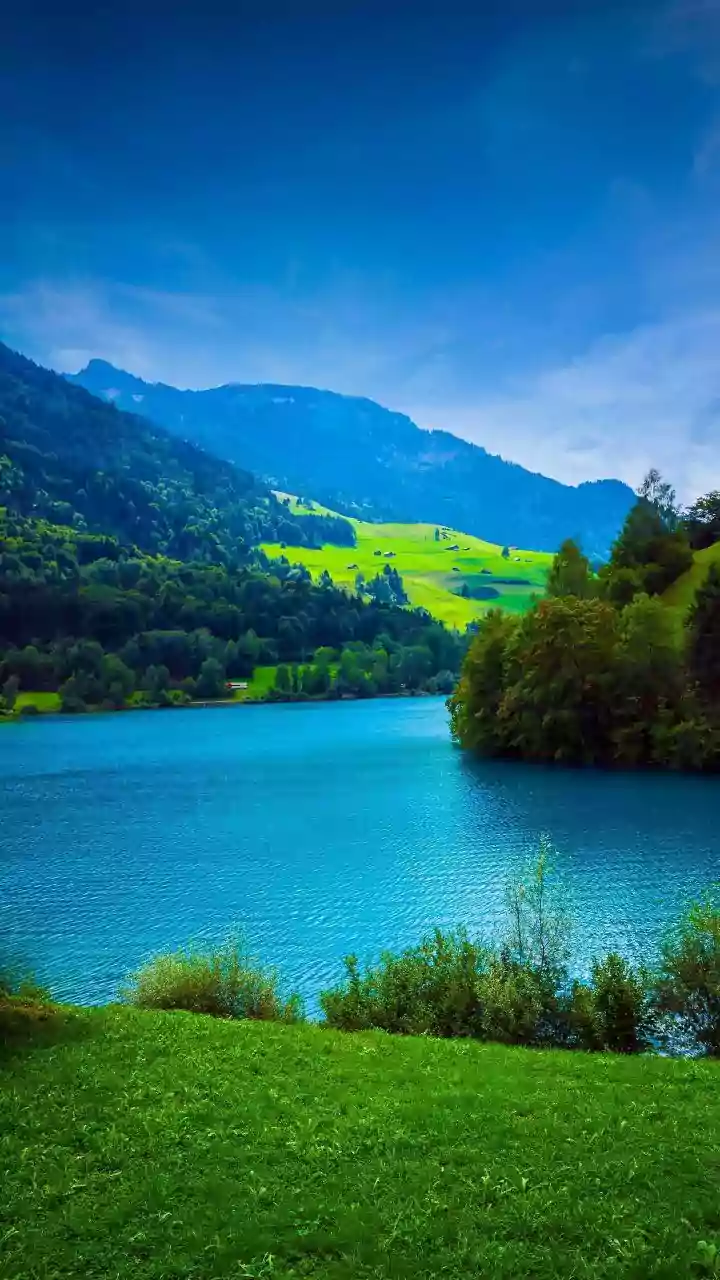
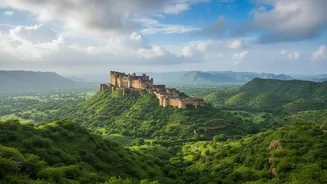
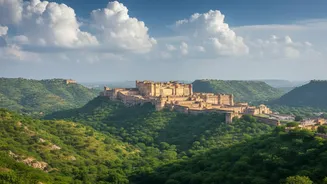
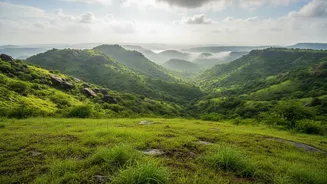
landscape into a lush, vibrant paradise. Cooler temperatures, dramatic cloudy skies, and rain-washed forts create a romantic and magical atmosphere that is drawing significant crowds. Experts point to this as 'green tourism', where visitors seek nature in its purest form. Another major draw is the relative lack of peak-season crowds at popular monuments, allowing for a more peaceful and immersive experience. Furthermore, many hotels and resorts offer attractive off-season pricing, making a luxurious stay more accessible.
Top Monsoon Destinations
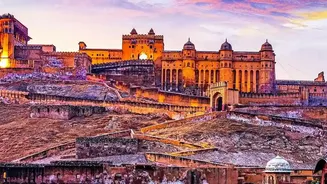
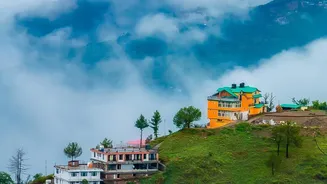
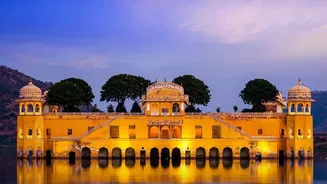
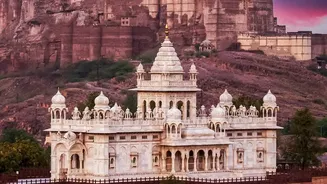
While the entire state feels refreshed, certain areas are exceptionally beautiful during the rains. Udaipur, the 'City of Lakes', is arguably the most popular monsoon destination. Its lakes, like Pichola and Fateh Sagar, are full, making for idyllic boat rides against a backdrop of misty Aravalli hills. Mount Abu, Rajasthan's only hill station, becomes a verdant retreat with misty mornings and flowing waterfalls. Lesser-known gems like Bundi also shine, with ancient stepwells filling up and its palace looking majestic against an emerald landscape. Even cities like Jaipur and Jodhpur offer a unique charm, with rain-washed heritage sites and a much more pleasant climate for exploring.
Your Monsoon Planning Checklist
A successful monsoon trip requires some specific planning. Your packing list is crucial: include a lightweight raincoat or umbrella and waterproof footwear with a good grip, as stone steps at forts can become slippery. It’s also wise to pack insect repellent. While major roads generally remain in good condition, it's important to build flexibility into your itinerary. Short, intense showers can cause temporary delays, so a relaxed schedule is key. Even though it's considered the 'off-season', it's still advisable to book accommodation and transport in advance, especially if your trip coincides with local festivals like Teej, which celebrates the monsoon.
Staying Safe and Healthy
Travelling during the monsoon is generally very safe in Rajasthan, which receives less intense rainfall than other parts of India. However, a few precautions are sensible. Be mindful of street food and stick to freshly cooked meals from reputable restaurants to avoid water-borne illnesses. When exploring rural areas or unpaved paths, be aware that they can become muddy and difficult to navigate after rain. If you plan on visiting wildlife sanctuaries, check their status beforehand. While some parks like Ranthambore may be partially closed, others like Mount Abu Wildlife Sanctuary remain open and offer a fantastic experience of the region's rejuvenated flora and fauna.
Unique Monsoon Experiences
Beyond the magnificent forts, the monsoon offers a chance to engage with Rajasthan in a unique way. Seek out vantage points like Nahargarh Fort in Jaipur or Sajjangarh (the Monsoon Palace) in Udaipur for panoramic views of the green, rain-drenched landscape. Embrace the local culture by enjoying a hot cup of masala chai and fresh pakoras, a classic rainy-day indulgence. The season is also a delight for photographers, as the rain clears dust from the air, enhancing visibility and making colours pop. It's a time when you can see peacocks dancing in the rain and witness a side of the royal state that most tourists miss.