

The Ghost Pepper, Reimagined
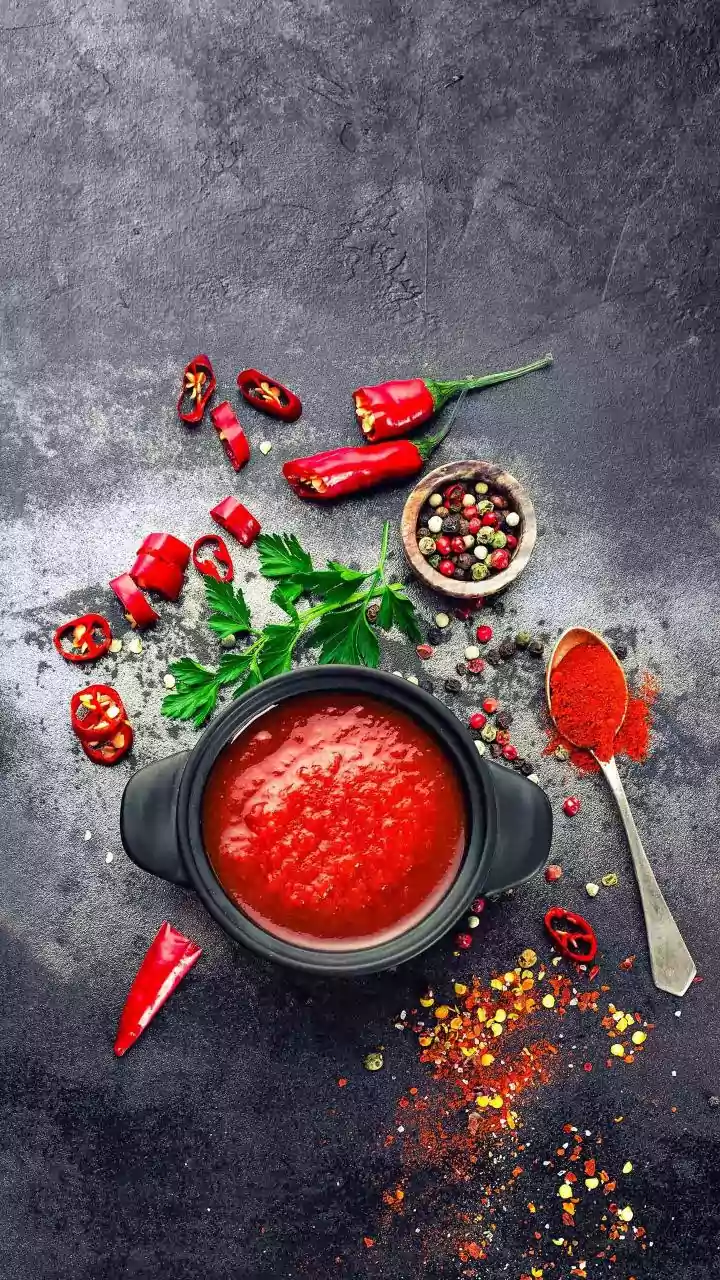
For years, the Bhut Jolokia, or ghost pepper, was known for one thing: its world-famous, searing heat. It was a challenge, a dare on a plate. But innovative chefs in metropolitan hubs are now looking past the Scoville scale and exploring its flavour.
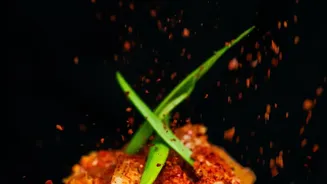
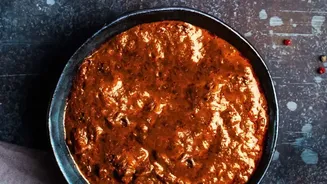
By transforming the chilli into refined pastes, sauces, and spice rubs, they are unlocking its subtle smoky and fruity notes. This move is changing the game. Instead of simply adding a blast of spice, these new Bhut Jolokia pastes are used to build layers of complex flavour in everything from chicken curries to fusion pasta sauces and even spicy dips for gourmet sandwiches. This thoughtful approach allows a wider audience to appreciate the pepper not as a gimmick, but as a nuanced ingredient that offers more than just a burn.
Introducing Axone: The Umami Powerhouse
Beyond the chilli, the real revolution in flavour comes from fermentation. At the forefront is Axone (pronounced 'akhuni'), a fermented soybean product from Nagaland that is a true umami bomb. Traditionally a cornerstone of Naga cuisine, Axone is prepared by boiling, fermenting, and sometimes smoking soybeans. The result is a pungent, deeply savoury paste with a powerful aroma that chefs are now harnessing to elevate their dishes. While its smell can be strong for the uninitiated, its ability to add a rich, meaty depth to vegetarian and non-vegetarian dishes is undeniable. In city cafes, you might find it subtly enriching a pork curry, lending a savoury kick to a ramen broth, or even being whipped into an adventurous chutney served alongside modern bar snacks, introducing a new dimension of taste to urban palates.
The Tang of Fermented Bamboo and Taro
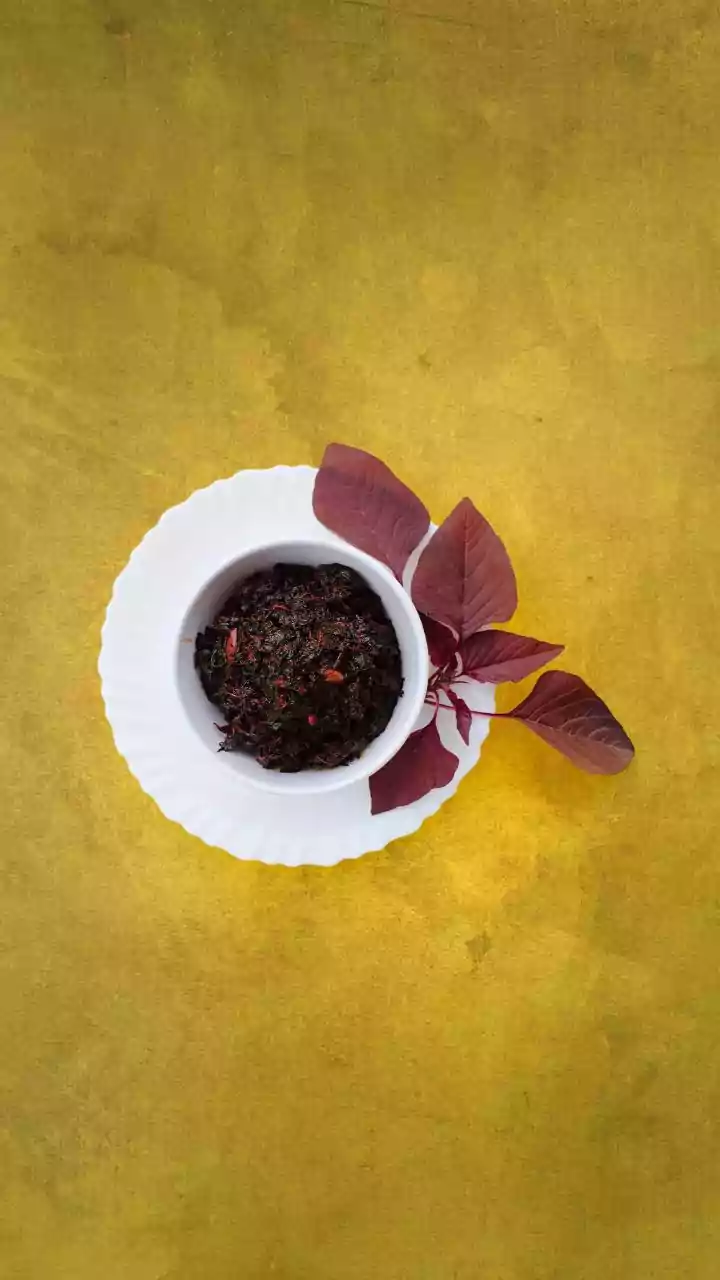
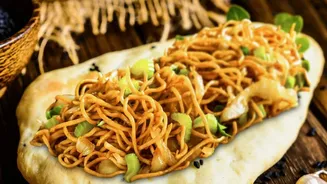
The exploration of Northeast India's fermented treasures doesn't stop with soybeans. Fermented bamboo shoots, known as Khorisa in Assam, Soibum in Manipur, and Mesu in Sikkim, are also making their mark. Each region has its own unique method of preparation, but the result is a tangy, crunchy, and aromatic ingredient that adds a signature sourness to dishes. Traditionally used in curries and pickles, chefs are now adding these fermented shoots to stir-fries, salads, and even as a pizza topping for a surprising acidic crunch. Another fascinating ingredient is Anishi, made by the Ao tribe of Nagaland from fermented and smoked taro leaves. These dried, cake-like discs release a subtle smokiness and sourness when cooked, traditionally paired with smoked pork. While still rare in mainstream cafes, pioneering chefs are beginning to experiment with Anishi, using it to flavour broths and stews, offering a taste of ancient preservation techniques in a contemporary format.
A Culinary Bridge to the Northeast
This growing trend is more than just a foodie fancy; it represents a significant cultural shift. For decades, the diverse cuisines of Northeast India remained largely unknown to the rest of the country. The arrival of these ingredients on urban menus is helping to bridge that gap, challenging stereotypes and celebrating the region's rich culinary heritage. It's a move away from generic pan-Indian menus towards a more authentic and diverse representation of the country's food landscape. By incorporating ingredients like Axone and Khorisa, city cafes are not just creating exciting new fusion dishes; they are telling a story of regional identity, biodiversity, and tradition. This trend also supports local producers and brings well-deserved economic and cultural recognition to the communities that have perfected these ingredients over generations.