



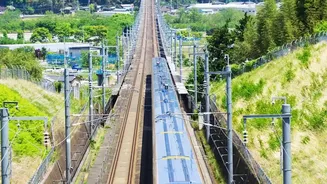
A catastrophic high-speed train collision in Spain has cast a harsh light on the systems designed to prevent such disasters. The incident, which involved a system failure followed by a fatal human decision, serves as a tragic, real-world lesson.
A Disaster on a World-Class Network
On the
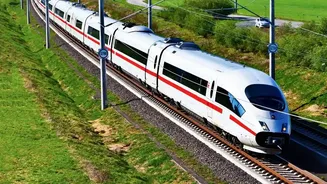
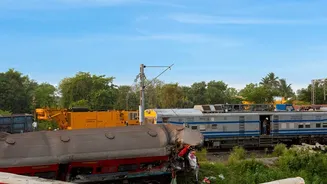
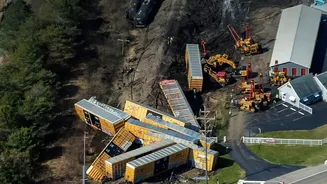
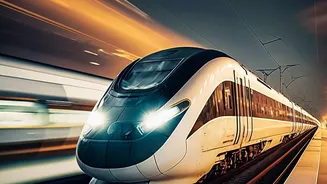
morning of October 28, 2026, a Renfe high-speed train travelling from Madrid to Andalusia slammed into the back of a stationary Iryo train near Urda, in the province of Toledo. The devastating collision resulted in at least 69 fatalities and scores of injuries, marking Spain's second fatal high-speed rail accident in the same year and the worst since 2013. The crash was all the more shocking because it occurred on a network long considered a global benchmark for safety and efficiency. Until 2026, Spain's high-speed lines had not suffered a single fatal accident since their inauguration over three decades prior. This incident shattered that record and immediately raised urgent questions about the layers of protection that are supposed to make such an event impossible.
The Moment Safety Systems Failed
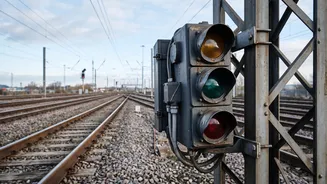
The tragedy began not with the crash, but about twenty minutes earlier with a technical glitch. An automatic train control system, known as LZB, suffered a communications failure along a 63-kilometre stretch of track. This system is a 'digital co-pilot', continuously monitoring a train's position and speed, and capable of applying brakes automatically to prevent collisions. When it failed, it did exactly what it was supposed to do: it brought all six trains in the affected section to a complete stop. At this point, no one was in danger. Control of the network reverted from the automated system to the human controllers at the Adif traffic control centre in Madrid. This transition from automated safety to manual oversight was the critical turning point.
An 'Inexplicable' Human Error
With the automated system offline, a series of fateful decisions unfolded. According to audio recordings and statements from Spain's Transport Minister, the control centre authorised the driver of the Renfe train to proceed at 'normal speed'. This was a catastrophic instruction, as the Iryo train remained stationary just ahead on the same track. Standard procedure during such a failure would typically limit trains to a much lower speed under strict visibility rules. Compounding the error, the control centre was reportedly aware that the Iryo train was still stopped, as its driver had been in communication to report an inability to restart. For 17 minutes, the Renfe train travelled at an estimated 160-200 km/h before the inevitable, horrific impact, with no one in the control centre apparently intervening despite having both trains visible on their screens.
The Fragility of Fail_Safes
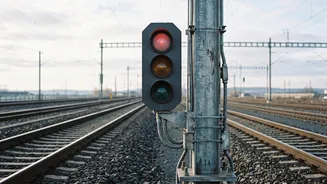
The Urda crash is a stark reminder that even the most advanced safety networks are composed of multiple, interdependent layers. The primary system, the LZB, worked by halting the trains. The secondary system, a more basic intermittent system called ASFA, was also active but is not designed to prevent this type of scenario—it primarily protects against passing red signals without authorisation, which was not the case here. The ultimate fail_safe is the combination of human controllers and established procedures for manual operation. It was this final, crucial layer that broke down. The incident highlights that a technical failure, while problematic, only becomes a disaster when the human_led backup procedures also fail. Unions have pointed to growing workloads and pressure on controllers, suggesting systemic issues may have contributed to the fatal error.
Lessons for a High_Speed Future
In the wake of the tragedy, Spain's Transport Minister resigned, and the government has pledged to accelerate the rollout of the standardised European Rail Traffic Management System (ERTMS) on the line. ERTMS is a more modern, unified system designed to replace the patchwork of older national systems like LZB and ASFA across Europe. The crash serves as a brutal lesson for all countries investing heavily in high_speed rail, including India. It underscores that technological sophistication is not enough. The resilience of a rail network depends equally on rigorous maintenance, clear and enforced protocols for when technology fails, and robust training and support for the human operators who form the last line of defence. As railways become faster and more complex, the systems that protect them—both automated and human—must be flawless.